How to Prune Sessileflower false goldenaster?
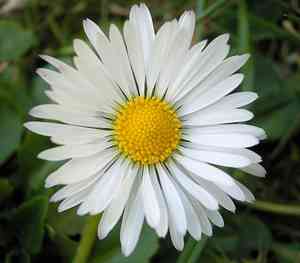
Haplopappus spinulosus, a resilient perennial recognized for its vigorous development and bright yellow blossoms, thrives with trimming to foster denser foliage and increased flowering. This trimming should occur in late spring or early summer, following the blooming period, to preserve the plant's form and vigor. Remove faded flower stems and reduce crowded sections to boost air movement. Consistent trimming can elevate the plant's aesthetic and general well-being, while also deterring excessive growth in cultivated areas.
What Are the Benefits of Pruning Sessileflower False Goldenaster?
What Are the Benefits of Pruning Sessileflower False Goldenaster?
Trimming sessileflower false goldenaster encourages robust development and helps preserve its desired form. Regular cutting prevents excessive growth, ensuring sessileflower false goldenaster stays appealing and thriving in garden environments.
What Is the Best Time for Pruning Sessileflower False Goldenaster?
What Is the Best Time for Pruning Sessileflower False Goldenaster?
The optimal periods for pruning sessileflower false goldenaster are Spring and Summer. During these times, the plant is actively growing, allowing for quicker recovery post-pruning. Spring pruning stimulates new growth and helps shape the plant before its primary growth season. Summer pruning, following the initial burst of spring growth, is perfect for removing weak or overgrown branches, improving both the plant's structure and air circulation. This timing is well-suited to promote health and prevent potential diseases by eliminating problematic parts. Furthermore, since sessileflower false goldenaster tends to bloom later, summer pruning will not significantly impact its flowering cycle.
What Tools Do I Need to Prune Sessileflower False Goldenaster?
Hand Pruners
Perfect for making precise cuts on sessileflower false goldenaster's stems, as they can cleanly sever material up to 1/2 inch thick, which is appropriate for this moderately hardy perennial. Specific hand pruners like bypass pruners are recommended for their clean, healthy cuts that aid rapid recovery.
Pruning Shears
Useful for shaping sessileflower false goldenaster and managing its spread. Sessileflower false goldenaster can become somewhat bushy, and routine shearing helps maintain its form and promotes denser growth. Shears are practical for collectively trimming softer or smaller stems, especially during the active growing season.
Gardening Gloves
Essential for personal protection when pruning sessileflower false goldenaster. These prevent scratches and irritation from the plant's stems or any accidental contact with pests or sharp tools.
How to Prune Sessileflower False Goldenaster
Clean tools
Begin by sanitizing your pruning implements to prevent disease transmission. Use a solution of one part bleach to nine parts water, or rubbing alcohol to thoroughly clean the blades before starting work on sessileflower false goldenaster.
Identify diseased parts
Carefully inspect sessileflower false goldenaster for any indications of illness or decay. Look for leaves showing discoloration or wilting, and stems that appear unhealthy or infected. These plant sections will need removal to maintain sessileflower false goldenaster's health.
Prune diseased leaves
Using your sanitized pruning shears, carefully cut away all diseased and withered leaves from sessileflower false goldenaster. Make cuts at the base of each leaf stem, ensuring no damage to healthy parts. Dispose of these leaves properly to prevent further infection.
Prune diseased stems
Trim any diseased stems on sessileflower false goldenaster. Make sharp, clean cuts several inches below the affected sections to ensure all infected material is removed. If an entire stem is compromised, prune it back to the plant's base or to a main healthy branch.
Cleanup
After pruning, clear away all removed plant material from around sessileflower false goldenaster to prevent the spread of any disease it might carry. Ensure all fallen leaves and pruned stems are disposed of, ideally by burning or thorough composting away from healthy plants.
Common Pruning Mistakes with Sessileflower False Goldenaster
Overpruning
A frequent error is removing too much foliage from sessileflower false goldenaster, which can stress the plant and diminish its vigor. Aim to prune no more than one-third of the plant at a time to maintain its health and reduce shock.
Improper technique
Using dull or dirty tools can harm sessileflower false goldenaster's branches, leading to jagged cuts that heal poorly and may become vulnerable to pests and diseases. Ensure tools are sharp and clean before beginning.
Pruning during active growth
Cutting back sessileflower false goldenaster during its peak growth phases can hinder flowering and weaken the plant. Although the specific season isn't mentioned here, avoiding pruning when the plant is producing new buds and flowers is crucial.
Common Pruning Tips for Sessileflower False Goldenaster
Selective thinning
Instead of cutting back the entire plant, selectively remove older, weaker stems to promote better air circulation and light penetration within sessileflower false goldenaster. This encourages stronger, healthier growth.
Shape maintenance
Gently shape sessileflower false goldenaster by pruning uneven or excessively long stems to maintain a natural appearance while enhancing the plant's structure and stability.
Encouraging blooms
To maximize flowering, periodically deadhead spent blooms of sessileflower false goldenaster. This not only tidies the plant but also redirects energy towards producing new blooms and possibly extending the flowering period.
Post-bloom pruning
After the main flowering season, trim back flowered stems to a strong set of leaves to encourage repeat blooming and to keep sessileflower false goldenaster looking its best.



