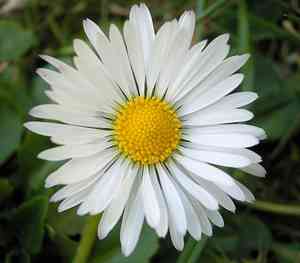
Sessileflower false goldenaster (Heterotheca sessiliflora)
Also known as: Sessile hairy golden-aster, Bolander's goldenaster
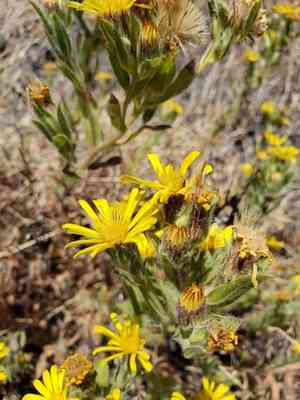
Plants can range from small, clumping forms to tall varieties reaching over a meter in height. They may be covered in tiny bristles or long, woolly hairs and often have glandular areas, especially near the flower clusters. The flower head typically features elongated, yellowish disc florets at the center, surrounded by a fringe of yellow ray florets.
In This Article
Attributes of Sessileflower false goldenaster
Lifespan
Perennial
Plant Type
Herb
Plant Height
0.3 to 1 meter
Spread
Up to 1 meter
Leaf Color
Green
Flower Size
2 to 3 centimeters
Flower Color
Bright yellow
Images of Sessileflower false goldenaster
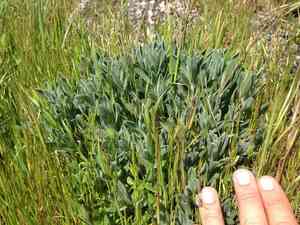
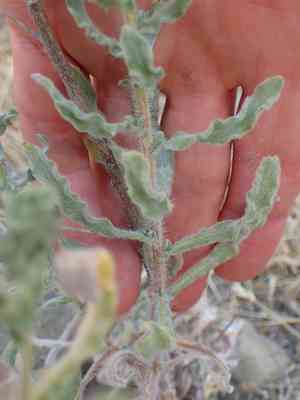
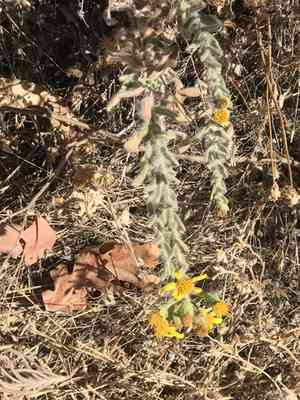
Quickly Identify Sessileflower false goldenaster
1
Look for bright yellow, daisy-like flowers and rough, hairy leaves. The plant can grow either as ground cover or up to a small shrub, depending on environmental conditions. Leaves are alternate and may be sessile or minimally petiolate.
Scientific Classification of Sessileflower false goldenaster
Phylum
Vascular plants
Class
Dicotyledons
Order
Asterales
Family
Daisy
Genus
Telegraph Weed
Species
Sessileflower false goldenaster
Planting and Growing of Sessileflower false goldenaster
Care Difficulty
Easy
Watering Schedule
Every 2 days
Sunlight Requirements
Full sun
Sunshine Duration
6-10 hours
Ideal Temperature
65-75℉
Soil Type
Potting Mix, Peat Mix
Soil pH
6.5-7.5
Fertilizer Type
Balanced
Pruning Season
Spring, Summer
Pruning Area
Branches, Leaves
Pruning Frequency
2 times a year
Repotting Season
Spring
Pot Type
Plastic, Ceramic
 How to Water Sessileflower false goldenaster?
The watering amount for Heterotheca sessiliflora should be approximately 200 milliliters per session. Ensure that the soil is evenly moist but never waterlogged. Allow the top inch of soil to dry out between watering to prevent root rot and mimic its natural arid habitat.
What are the symptoms of an underwatered Sessileflower false goldenaster?
›
What should I do if my Sessileflower false goldenaster is not getting enough water?
›
What are the symptoms of an overwatered Sessileflower false goldenaster?
›
How to save an overwatered Sessileflower false goldenaster?
›
 What Are the Sunlight Requirements for Sessileflower false goldenaster?
Partial to full sun exposure allows Heterotheca sessiliflora to perform optimal growth and flowering. Proper light conditions support healthy foliage and encourage abundant blooms, maximizing ornamental value.
What is the best lighting setup?
›
How to optimize lighting conditions during overcast days?
›
What are the benefits of providing ideal lighting?
›
 What Is the Ideal Temperature Range for Sessileflower false goldenaster?
The ideal temperature range for Heterotheca sessiliflora, commonly known as sessile-leaved false goldenaster, is between 65°F and 75°F. This range provides optimal growth conditions, supporting healthy foliage and vibrant flowering. These temperatures allow the plant's metabolic processes to function efficiently, ensuring proper nutrient uptake and energy utilization.
 What Soil is Best for Sessileflower false goldenaster?
Heterotheca sessiliflora thrives in well-drained soils that prevent waterlogging. This type of soil is crucial as it promotes healthy root growth and aids in the prevention of root rot. This plant prefers soils with moderate fertility. Overly rich soil can lead to excessive foliage with fewer flowers, while moderately fertile soil encourages balanced growth and abundant blooms. Heterotheca sessiliflora can tolerate periods of drought, making it ideal for sandy loam or loam soils that retain some moisture yet allow for periods of dryness.
 How to Fertilize Sessileflower false goldenaster?
The ideal fertilizer amount for Heterotheca sessiliflora depends on the specific type of fertilizer being used. For liquid fertilizers, a dilution rate of 1 teaspoon per gallon of water is recommended, ensuring that the solution is evenly distributed across the soil. If using a slow-release granular fertilizer, apply approximately one tablespoon per square foot of soil around the plant. Ensure that the granules are not placed directly against the stem to avoid burn.
 How to Prune Sessileflower false goldenaster?
Carefully trim back overgrown stems to reshape the plant and improve air circulation among the foliage. Cut at a 45-degree angle above a leaf node to encourage new, healthy growth from the remaining stem. Prune the tips of the stems to encourage the plant to become bushier. This is a good practice if you want Heterotheca sessiliflora to have a fuller appearance and produce more blooms.
More About Pruning Techniques→
 How to Propagate Sessileflower false goldenaster plant?
1
Harvest seeds from mature Heterotheca sessiliflora flowers in the autumn. Once collected, clean and dry the seeds thoroughly before storing them in a cool, dry place until you're ready to plant.
2
Select healthy stem sections from the parent plant in early summer. Make clean cuts using sterilized pruning shears just below a node and remove any leaves from the lower part of the cutting.
3
Plant seeds or cuttings in a well-draining potting mix. Maintain consistent moisture and provide indirect sunlight to encourage rooting and sprouting.
 How to Repot Sessileflower false goldenaster plant?
1
Heterotheca sessiliflora should be repotted when its roots start to outgrow the pot, visible from drainage holes. Another sign is when the soil is compacted or waterlogged, hindering healthy growth.
2
Select a pot slightly larger than the current one to accommodate growth. A pot with good drainage is essential to prevent root rot. Terracotta is ideal, as it allows air circulation and prevents moisture buildup.
3
Use a well-draining cactus mix, enriched with perlite or sand, to ensure roots don't sit in water. This soil mix promotes healthy root development and mimics the plant's natural habitat conditions.



