The Sessileflower false goldenaster Plant Advantage: Maximizing Home and Office Appeal and Wellness
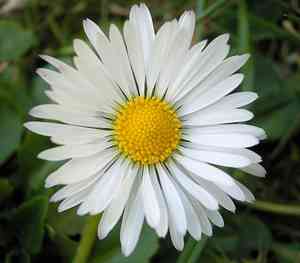
1
Sessileflower false goldenaster flourishes in diverse soil conditions and needs little upkeep.
2
The bright yellow blooms of Sessileflower false goldenaster draw in pollinators such as bees and butterflies.
3
Sessileflower false goldenaster possesses inherent pest-deterring qualities, making it an excellent neighboring plant.
What Are the Environmental Advantages of Sessileflower false goldenaster?
Fostering Biodiversity
Sessileflower false goldenaster plays a vital part in sustaining local biodiversity. Its bright yellow blooms are known to draw various pollinators like bees, butterflies, and even hummingbirds. These pollinators are crucial for maintaining healthy ecosystems as they aid in plant fertilization by transferring pollen. By cultivating Sessileflower false goldenaster in your garden, you contribute to the support and propagation of these essential species.
Soil Vitality and Erosion Prevention
Sessileflower false goldenaster is excellent for soil health. Its root system helps stabilize the soil, decreasing the risk of erosion. This can be especially advantageous in regions prone to heavy rain or wind. Furthermore, the plant adds organic matter to the soil as it decays, enriching it and boosting its fertility. Consequently, having Sessileflower false goldenaster in your garden can lead to healthier soil and more robust plants overall.
How to Cultivate and Maintain Sessileflower false goldenaster?
Optimal Growing Conditions
Sessileflower false goldenaster is remarkably adaptable and can flourish in various soil types, from sandy to loamy. It prefers well-drained soil and can endure drought conditions once established. The plant thrives in full sun but can also adjust to partial shade. Minimal water and upkeep make it an excellent choice for busy gardeners or those new to gardening.
Planting and Care Recommendations
Begin by planting Sessileflower false goldenaster seeds or young plants in the spring after the last frost. Space the plants about 12-18 inches apart to allow for adequate air circulation. Water them regularly during the initial weeks until they establish strong roots. Once established, Sessileflower false goldenaster requires minimal watering. Pruning dead or damaged stems can encourage new growth, but it's not a strict requirement. Fertilizers are generally unnecessary, making Sessileflower false goldenaster a low-maintenance addition to your garden.
What Are the Aesthetic and Practical Applications of Sessileflower false goldenaster?
Enhancing Garden Beauty
Sessileflower false goldenaster brings a burst of vibrant yellow to any garden setting, making it an eye-catching focal point or a complementary addition to a diverse floral arrangement. Its long blooming period ensures that your garden retains its lively appearance for an extended time. When designing your garden layout, consider planting Sessileflower false goldenaster along borders or paths to create natural highlights that draw the eye.
Natural Pest Deterrent
One of the lesser-known advantages of Sessileflower false goldenaster is its natural pest-resistant qualities. The plant produces compounds that deter various garden pests, including aphids and beetles. By incorporating Sessileflower false goldenaster into your garden, you can reduce the need for chemical pesticides, promoting a more organic and eco-friendly gardening approach.
Why Should You Consider Sessileflower false goldenaster for Companion Planting?
Advantages for Nearby Flora
Companion planting involves strategically placing plants together to enhance growth, reduce pests, and improve overall garden health. Sessileflower false goldenaster is an excellent choice for companion planting due to its pest-resistant qualities and ability to attract beneficial pollinators. Plants like tomatoes, peppers, and eggplants can benefit significantly when planted near Sessileflower false goldenaster, as it helps to keep harmful pests at bay while encouraging pollination.
Establishing a Balanced Ecosystem
Incorporating Sessileflower false goldenaster into a companion planting scheme helps create a more balanced and self-sustaining ecosystem in your garden. This not only improves plant health but also reduces the need for chemical interventions. Additionally, Sessileflower false goldenaster's low water and nutrient requirements mean it won't compete heavily with other plants, allowing all species in your garden to thrive.
How Does Sessileflower false goldenaster Contribute to Sustainable Gardening?
Water Conservation
Sessileflower false goldenaster is drought-tolerant once established, making it an excellent choice for sustainable gardening. Its minimal water requirements help conserve this precious resource, particularly in areas prone to water shortages. By choosing drought-resistant plants like Sessileflower false goldenaster, you're adopting a more sustainable approach to gardening that benefits both your garden and the environment.
Reducing Chemical Usage
As mentioned earlier, Sessileflower false goldenaster's natural pest-resistant properties reduce the need for chemical pesticides. This not only promotes a healthier garden environment but also lessens the chemical runoff that can contaminate local water sources. Sustainable gardening practices, such as those facilitated by planting Sessileflower false goldenaster, contribute to a healthier and more resilient ecosystem.



