How to Prune Desert ajo lily?
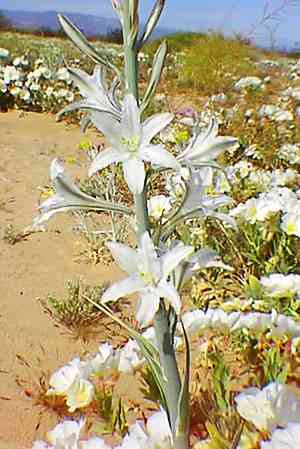
This perennial, characterized by its bulb, produces white, aromatic blossoms in the initial part of spring. For desert ajo lily, remove spent leaves following the flowering period to channel resources back into the bulb. The most suitable time for trimming is from late winter to early spring, prior to the emergence of new shoots. Trimming should be kept to a minimum, concentrating on removing deceased or compromised plant material, which fosters robust development and diminishes the likelihood of illness. Pruning is advantageous for preserving an attractive form and stimulating strong growth for the subsequent season.
What Are the Benefits of Pruning Desert Ajo Lily?
What Are the Benefits of Pruning Desert Ajo Lily?
Trimming desert ajo lily promotes robust development and helps maintain its desired form, leading to improved vitality and more abundant blossoms during the growing season.
What Is the Best Time for Pruning Desert Ajo Lily?
What Is the Best Time for Pruning Desert Ajo Lily?
Pruning desert ajo lily is best done in late winter or early spring. These periods are ideal because the plant is either dormant or just beginning new growth. Pruning during dormancy prevents the loss of crucial resources the plant would otherwise use for growth and flowering. It also reduces the risk of disease and pest infestation, as these are less active in cooler months. By trimming desert ajo lily before its active growth phase, the plant has the best chance to recover and redirect energy into producing healthy shoots and flowers in the next season. This timing ensures the aesthetic quality and health of desert ajo lily are maintained without disrupting its growth cycle, which includes spring blooming after rains.
What Tools Do I Need to Prune Desert Ajo Lily?
Hand Shears
Suitable for making precise cuts on desert ajo lily's thinner stems and foliage. Sharp shears prevent damage to plant tissues.
Pruning Saw
Essential for cutting through any thicker stems desert ajo lily might have, where hand shears would be insufficient. A fine-toothed pruning saw is recommended for accuracy.
Gloves
Crucial for protecting the gardener's hands from potential irritants or injury while trimming desert ajo lily.
Disinfectant
Used to clean tools before and after pruning desert ajo lily to prevent disease spread. Common disinfectants include rubbing alcohol or a 10% bleach solution.
How to Prune Desert Ajo Lily
Clean Tools
Before trimming desert ajo lily, ensure all pruning implements are clean and sterilized to prevent disease transmission.
Identify
Locate diseased and withered leaves on desert ajo lily. Look for foliage with unusual coloring, spots, or a dry, crumbly appearance.
Cut Diseased Leaves
Using sharp scissors or pruning shears, carefully remove diseased leaves from desert ajo lily, cutting at the base of the leaf stem to avoid harming healthy tissue.
Cut Withered Leaves
Trim withered leaves on desert ajo lily similarly, by cutting at the base of the leaf stem to maintain the plant's appearance and direct growth energy to healthier parts.
Dispose
Safely discard all removed plant material away from healthy plants to prevent any potential spread of disease to desert ajo lily or other nearby plants.
Common Pruning Mistakes with Desert Ajo Lily
Over Pruning
Removing too much foliage from desert ajo lily, which can reduce its ability to photosynthesize and weaken the plant's overall health.
Improper Cut Location
Cutting too close or too far from the stem base, potentially causing damage or hindering proper healing and regrowth.
Pruning Healthy Growths
Unnecessarily removing healthy leaves and stems vital for desert ajo lily's growth and flowering.
Disregarding Plant Structure
Ignoring desert ajo lily's natural growth habit, which can lead to an unnatural look and impact future blooms.
Using Dull Tools
Trimming with dull or dirty tools, which can create jagged cuts more susceptible to pests and diseases.
Pruning In Wet Conditions
Pruning desert ajo lily when it's wet, increasing the likelihood of spreading disease between plants.
Common Pruning Tips for Desert Ajo Lily
Sanitized Tools
Ensure all pruning tools are clean and sharp to facilitate clean cuts and minimize infection risk.
Selective Pruning
Carefully choose which stems and leaves to trim, focusing on dead or damaged material to encourage healthy growth in desert ajo lily.
Angled Cuts
Make cuts at a slight angle, which can help prevent water accumulation and disease by promoting proper drainage away from the cut site.
Minimal Pruning Approach
Adopt a conservative approach to trimming desert ajo lily, as it typically requires little intervention to thrive.
Post-Bloom Pruning
Remove spent flowers after blooming to help encourage new growth, while ensuring not to remove healthy leaves that aid in photosynthesis.
Gradual Pruning
Approach trimming gradually over time rather than all at once, to avoid shocking desert ajo lily and to assess the plant's response.



