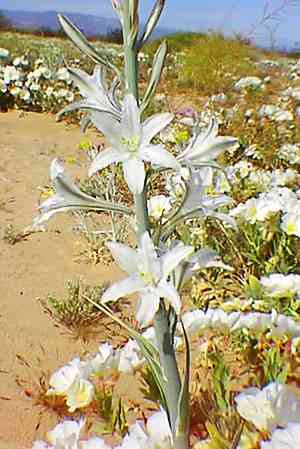
Desert ajo lily (Hesperocallis undulata)
Also known as: Ajo lily
The desert lily (Hesperocallis undulata) is a flowering plant native to the Sonoran and Mojave Deserts in North America. While not a true lily, it is closely related to agave. Native tribes traditionally harvested its bulbs for food.
In This Article
Attributes of Desert ajo lily
Lifespan
Perennial
Plant Type
Herb
Plant Height
1.8 m
Spread
30 cm to 60 cm
Leaf Color
Green with a bluish tint
Flower Size
5 cm to 8 cm
Flower Color
White Green
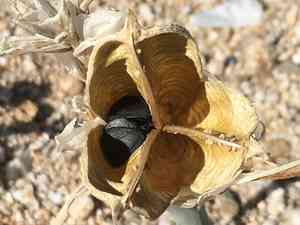
Images of Desert ajo lily
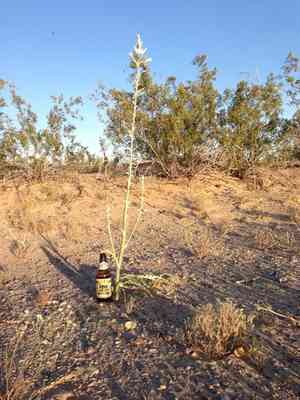
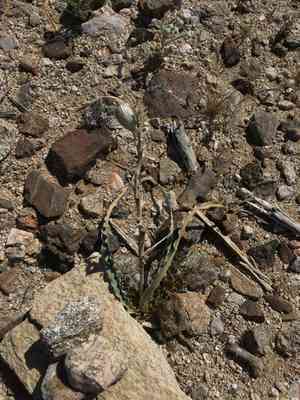
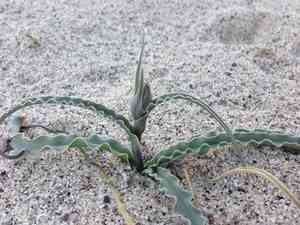
Quickly Identify Desert ajo lily
1
Hesperocallis undulata can be identified by its wavy, undulating leaves and large, white trumpet-shaped flowers that bloom in spring. The plant typically grows from a bulb, with the flowers emerging on tall stalks.
Scientific Classification of Desert ajo lily
Phylum
Vascular plants
Class
Monocotyledons
Order
Asparagales
Family
Asparagus
Genus
Hesperocallis
Species
Desert ajo lily
Planting and Growing of Desert ajo lily
Care Difficulty
Hard
Watering Schedule
Every 2 days
Sunlight Requirements
Full sun
Sunshine Duration
4-6 hours
Ideal Temperature
60-85℉
Soil Type
Potting Mix, Peat Mix
Soil pH
6.5-7.5
Fertilizer Type
Balanced
Pruning Season
Spring, Summer
Pruning Area
Branches, Leaves
Pruning Frequency
2 times a year
Repotting Season
Spring
Pot Type
Plastic, Ceramic
 How to Water Desert ajo lily?
Hesperocallis undulata requires careful watering. Generally, 200 milliliters per session should suffice. The goal is to moisten the soil thoroughly without allowing it to become waterlogged. Ensure the soil has excellent drainage to prevent root rot.
What are the symptoms of an underwatered Desert ajo lily?
›
What should I do if my Desert ajo lily is not getting enough water?
›
What are the symptoms of an overwatered Desert ajo lily?
›
How to save an overwatered Desert ajo lily?
›
 What Are the Sunlight Requirements for Desert ajo lily?
Hesperocallis undulata thrives best under conditions of full sun to partial sun, with 6-8 hours of sun. This optimal light range promotes healthy growth and flowering.
More About Sunlight Requirements Techniques→
How much sunlight does Hesperocallis undulata need?
›
What are the best solutions for achieving this lighting?
›
What benefits does the ideal lighting provide?
›
 What Is the Ideal Temperature Range for Desert ajo lily?
The ideal temperature range for Hesperocallis undulata, commonly known as the desert lily, is between 60°F and 85°F. Within this range, the plant can thrive, promoting healthy growth and flower production. Maintaining an environment within these temperatures ensures that the desert lily receives adequate warmth without overheating, which is conducive to its development.
 What Soil is Best for Desert ajo lily?
Hesperocallis undulata thrives in soils with excellent drainage capacity. Poor drainage can lead to root rot, so ensuring that water can flow freely through the soil is crucial for the health of this plant. The plant requires moderately fertile soil that provides essential nutrients. An ample supply of nutrients ensures vigorous growth and vibrant flowering, contributing to the overall beauty of the plant. Well-aerated soil is crucial for Hesperocallis undulata as it helps roots to access the oxygen they need for respiration. This prevents soil compaction, which can hinder plant growth.
 How to Fertilize Desert ajo lily?
For Hesperocallis undulata, it is crucial to avoid excessive fertilization due to its natural adaptation to nutrient-poor desert environments. During the growing season, apply a diluted liquid fertilizer at half the recommended strength. This ensures the plant receives essential nutrients without risking root burn or nutrient overload.
 How to Prune Desert ajo lily?
Carefully inspect your plant for any leaves or stems that appear brown or lifeless. Removing dead foliage will allow the plant to direct its energy towards healthy growth. After the flowering season, locate and remove old flower stalks at the base. This not only helps maintain a tidy appearance but also stimulates fresh blooms in the following season. Gently trim back any excess growth to maintain the plant's natural shape. Pruning should be minimal, focusing on balance and symmetry to ensure the plant receives adequate sunlight.
More About Pruning Techniques→
 How to Propagate Desert ajo lily plant?
1
Begin by collecting seeds from mature Hesperocallis undulata plants. Clean the seeds to remove any pulp. This prevents mold growth and ensures better air circulation around the seeds.
2
Fill seed trays with well-draining potting mix and sow the seeds on the surface, lightly pressing them into the soil. Avoid covering them completely as the seeds may require light for germination.
3
Place the seed tray in a warm location where temperatures remain consistent. Keep the soil moist but not waterlogged, as excessive moisture can hinder germination and promote diseases.
 How to Repot Desert ajo lily plant?
1
Repot Hesperocallis undulata when you notice roots coming out of the drainage holes or the plant appears to be struggling in its current pot. The best time to repot is in early spring or autumn, when the plant is not in active growth, allowing it to settle into its new home without stress.
2
Choose a pot that is slightly larger than the current one with good drainage holes. Terracotta pots are especially good as they allow air exchange and prevent waterlogging, which helps maintain the health of Hesperocallis undulata by providing adequate root aeration and preventing root rot.
3
Opt for a well-draining cactus mix to mimic the plant's natural desert environment. The mix should contain materials like sand, perlite, and gravel, which ensure good drainage and prevent water retention, crucial for preventing root rot and promoting healthy growth.
Learn More About Desert ajo lily Diseases
Anthracnose
Bacterial Leaf Spot
Bacterial Soft Rot
Bacterial Wilt
Crown Gall
Cyst Nematode
Damping-off
Downy Mildew
Drought Stress
Fusarium Wilt
Gray Mold
Leaf Spot
Mosaic
Nutrient Deficiency
Nutrient Toxicity
Powdery Mildew
Root Rot
Root-knot Nematode
Rusts
Sooty Mold
Spider Mites
Temperature Stress
Thrips Damage
White Mold



