The Desert ajo lily Plant Advantage: Maximizing Home and Office Appeal and Wellness
1
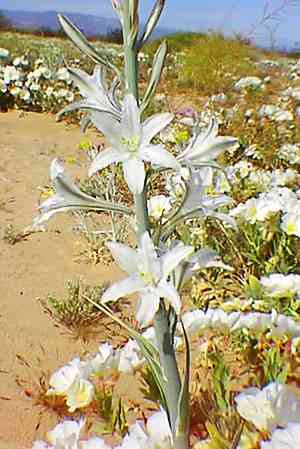
The Desert ajo lily is a robust plant well-suited for dry desert environments.
2
Desert inhabitants can utilize the Desert ajo lily's bulb as a food source.
3
The Desert ajo lily features attractive white blossoms that draw in pollinators.
What Makes Desert ajo lily Unique?
Adaptations to Arid Climates
A key characteristic of Desert ajo lily is its capacity to endure harsh desert conditions. This plant has developed various adaptations enabling it to flourish where many others cannot. Its deep root structure helps it access limited water sources, while its bulb stores vital nutrients and moisture to sustain it during dry spells. The wavy leaves of Desert ajo lily, often covered in a fine bloom, reflect sunlight to minimize water loss and shield the plant from the intense desert sun.
Attraction of Pollinators
Desert ajo lily features striking white flowers that emerge in spring, drawing in diverse pollinators, including bees and moths. These blossoms are not merely attractive but play a vital role in the plant's reproduction. The bright flowers stand out against the desert backdrop, making them highly visible to pollinators. This ensures the plant can effectively continue its life cycle through seed production, despite its challenging environment.
Practical Uses of Desert ajo lily
Culinary Applications
The bulb of Desert ajo lily has historically served as a food source for indigenous desert inhabitants. It can be roasted or boiled, similar to a potato, and is known for its mild, garlic-like flavor, which is why the plant is sometimes called desert garlic. This makes it a valuable resource in areas with food scarcity and for communities accustomed to living in arid regions.
Soil Stabilization and Erosion Control
Desert ajo lily plays a significant role in maintaining the health of desert ecosystems. Its root system helps stabilize the soil, preventing erosionâa common issue in desert landscapes where plant cover is sparse. By anchoring the soil, Desert ajo lily helps preserve the delicate balance of the desert environment, contributing to a more stable and sustainable ecosystem.
How Can Desert ajo lily Be Integrated into Landscaping?
Aesthetic Appeal
For those aiming to create a desert-themed garden or xeriscape, Desert ajo lily is an excellent choice. Its striking white flowers offer a beautiful contrast to other desert plants like cacti and succulents. Additionally, its distinctive leaf structure adds visual interest even when the plant is not in bloom. Incorporating Desert ajo lily into landscaping not only enhances garden beauty but also promotes biodiversity by attracting pollinators.
Low Maintenance Requirements
Another advantage of Desert ajo lily in landscaping is its minimal upkeep needs. Once established, the plant requires very little water, making it an eco-friendly option for gardeners seeking to conserve resources. Its natural resistance to pests and diseases further reduces the need for chemical interventions, ensuring a healthier and more sustainable garden environment.
Why Pay Attention to Desert ajo lily in Desert Conservation?
Ecological Importance
In the broader context of desert conservation, Desert ajo lily holds considerable ecological significance. As a native species, it supports local wildlife, providing sustenance and habitat for various insects and animals. Protecting and fostering the growth of Desert ajo lily in its natural environment contributes to the overall health and diversity of desert ecosystems, making it a key player in conservation efforts.
Promoting Biodiversity
The presence of Desert ajo lily in desert landscapes attests to the rich biodiversity these seemingly barren areas can sustain. By cultivating environments where Desert ajo lily can thrive, we also encourage a wider array of plant and animal species. This interconnected web of life not only makes the desert a more vibrant and dynamic place but also strengthens the resilience of these ecosystems against climate change and other environmental pressures.



