How to Prune Haujillo?
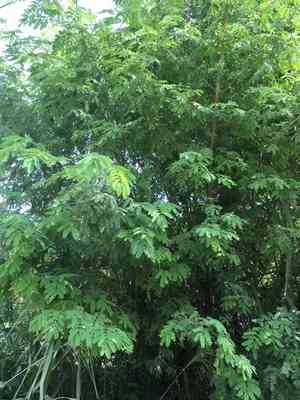
For haujillo, a semi-deciduous variety valued for its decorative qualities, trimming ought to occur in late winter or early spring to stimulate robust development. Remove lifeless or injured limbs and sculpt the crown for visual appeal. Thinning cuts enhance air movement, potentially lowering the occurrence of ailments. Pruning while dormant lessens sap leakage and strain on haujillo, fostering strong well-being and guaranteeing an abundance of fresh growth in the following period.
What Are the Benefits of Pruning Haujillo?
What Are the Benefits of Pruning Haujillo?
Trimming haujillo encourages robust development and helps maintain its form, ensuring a strong framework that supports healthy blooms and fruit, while enhancing its visual appeal. Regular trimming also aids in disease prevention and pest control by eliminating potential problem areas.
What Is the Best Time for Pruning Haujillo?
What Is the Best Time for Pruning Haujillo?
The ideal period for trimming haujillo is during the late winter and early spring months. This timeframe is advantageous because the plant remains dormant before its new growth phase, typically starting in spring. Pruning at this point minimizes the risk of harming new shoots and leaves and also reduces stress on haujillo, promoting vigorous spring growth. Additionally, it helps prevent disease spread, as many pathogens are less active then. This timing also aligns with haujillo's natural growth cycle, which may bloom or fruit later in the season. Trimming during late winter and early spring allows gardeners to shape the plant and remove any dead or unhealthy wood without negatively impacting flowering or fruiting. The exact timing within this range can vary based on local climate conditions, but it's generally advised to prune after the coldest part of winter has passed and before haujillo begins active growth.
What Tools Do I Need to Prune Haujillo?
Hand Pruners
Perfect for making clean cuts on smaller branches and twigs of haujillo, typically under 1/2 inch in diameter. Recommended for shaping and removing dead or diseased wood.
Loppers
Useful for cutting through thicker branches, usually up to 1 1/2 to 2 inches in diameter. The long handles provide leverage to cut through haujillo's wood more easily without damaging the plant.
Pruning Saw
Essential for managing larger branches over 2 inches in diameter. A pruning saw allows for the removal of substantial limbs without tearing the bark or leaving ragged cuts that could harm haujillo.
Pole Pruner
Suitable for reaching higher branches without needing a ladder. This tool ensures gardeners can safely maintain the shape and health of haujillo's canopy.
How to Prune Haujillo
Clean tools
Sanitize pruning tools with a solution of one part bleach to nine parts water to prevent the spread of disease.
Diagnose problems
Inspect haujillo for dead or diseased branches, identifiable by discolored, withered, or brittle wood and any signs of fungal growth or insect damage.
Prune diseased branches
Carefully cut diseased branches on haujillo using sharp secateurs, making a 45-degree angle cut just above a healthy bud or node to promote proper wound healing.
Prune dead branches
Remove dead branches from haujillo by cutting them back to their origin point or to a healthy lateral branch, ensuring no stubs are left, which can be entry points for pests and diseases.
Dispose diseased material
Discard all diseased and dead material away from haujillo and other plants to prevent the potential spread of pathogens.
Common Pruning Mistakes with Haujillo
Overpruning
Removing too much foliage or too many branches at once can stress haujillo, leading to poor health and reduced flowering.
Improper cut locations
Cutting too far from a bud or node, or too close to it, can result in improper growth or damage to haujillo.
Using blunt tools
Pruning haujillo with dull tools can cause jagged cuts that are more susceptible to pests and diseases.
Pruning without disinfecting
Neglecting to disinfect tools between cuts can spread disease from one part of haujillo to another or even between different plants.
Neglecting shape
Failing to consider haujillo's natural shape can lead to an aesthetically unpleasing plant and may inhibit growth.
Ignorant of plant health
Pruning haujillo without assessing its health can further stress a sick or weak plant, potentially causing more harm than good.
Common Pruning Tips for Haujillo
Observe natural form
Prune haujillo while maintaining its natural form, supporting both the plant's aesthetics and its health.
Make clean cuts
Use sharp, clean pruning tools to make precise cuts, which will heal faster and reduce the risk of disease.
Selective pruning
Remove only dead, diseased, or crossing branches, focusing on thinning rather than topping haujillo to promote light penetration and air circulation.
Angle cuts away from buds
Cut branches at a 45-degree angle, about 1/4 inch above outward-facing buds, to encourage outward growth of haujillo.
Disinfect pruning tools
Regularly disinfect tools to prevent the spread of pathogens to or from haujillo.
Monitor plant response
Keep an eye on haujillo's response after pruning and adjust future pruning practices based on its growth patterns and health.



