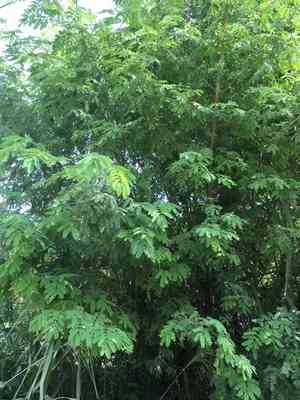
Haujillo (Havardia pallens)
Also known as: Tenaza, Huajillo, Guamuchil, Sweet Acacia
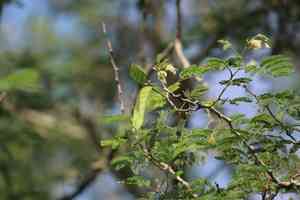
The Haujillo (Havardia pallens) is an evergreen tree that produces white, fluffy flowers resembling mimosa blossoms from spring through summer. These flowers attract bees, while the leaves provide forage for wildlife. The tree also generates brown, legume-style seed pods that contain black seeds.
In This Article
Attributes of Haujillo
Lifespan
Perennial
Plant Type
Tree, Shrub
Plant Height
3 m to 9 m
Spread
3 m to 4.5 m
Leaf Color
Green
Flower Size
1.3 cm to 2.5 cm
Flower Color
White Yellow Green
Images of Haujillo
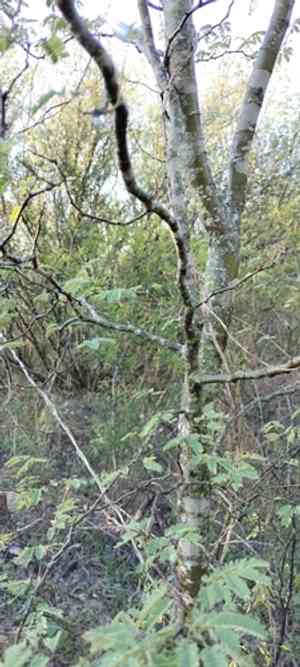
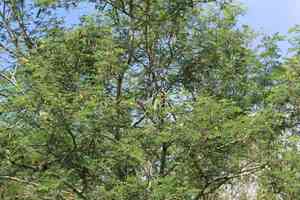
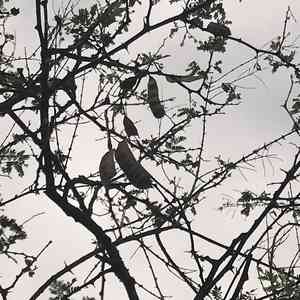
Quickly Identify Haujillo
1
Havardia pallens can be identified by its bipinnate leaves, sharp thorns, and fragrant, cream-colored flowers arranged in spherical clusters. The tree also produces flattened, brown seed pods.
Scientific Classification of Haujillo
Phylum
Vascular plants
Class
Dicotyledons
Order
Fabales
Family
Legume
Genus
Havardia
Species
Haujillo
Planting and Growing of Haujillo
Care Difficulty
Easy
Watering Schedule
Every 2 days
Sunlight Requirements
Full sun
Sunshine Duration
6-12 hours
Ideal Temperature
60-85℉
Soil Type
Potting Mix, Peat Mix
Soil pH
6.5-7.5
Fertilizer Type
Balanced
Pruning Season
Spring, Summer
Pruning Area
Branches, Leaves
Pruning Frequency
2 times a year
Repotting Season
Spring
Pot Type
Ceramic, Plastic
 How to Water Haujillo?
Havardia pallens thrives when it is watered in moderation, ensuring the soil is neither too dry nor soggy. Aim for about 500 milliliters of water each time, enough to moisten the upper 5-10 centimeters of soil. Check that excess water drains well to avoid root rot, hinting that it's time to stop watering.
What are the symptoms of an underwatered Haujillo?
›
What should I do if my Haujillo is not getting enough water?
›
What are the symptoms of an overwatered Haujillo?
›
How to save an overwatered Haujillo?
›
 What Are the Sunlight Requirements for Haujillo?
Havardia pallens flourishes under full sun conditions, benefiting from up to 10 hours of sunlight. Ideal lighting ensures exuberant growth and lush foliage.
How much sun does Havardia pallens need?
›
What solutions ensure Havardia pallens gets ideal light?
›
What are the benefits of optimal lighting for Havardia pallens?
›
 What Is the Ideal Temperature Range for Haujillo?
The ideal temperature range for Havardia pallens is between 60°F and 85°F. This range provides the optimal conditions for growth and development, ensuring that the metabolic processes within the plant can function efficiently. Maintaining the plant within this temperature bracket helps in maximizing its overall health and productivity.
 What Soil is Best for Haujillo?
Havardia pallens thrives best in well-drained soil which prevents waterlogging, allowing roots to breathe and absorb nutrients efficiently. Ensuring that the soil is well-drained can reduce root rot and enhance the plant's vitality. A nutrient-rich substrate is crucial for Havardia pallens, as it supplies essential minerals and compounds needed for robust growth. Regularly amending the soil with organic matter like compost enriches the soil and supports healthy plant development. This plant prefers moderate soil moisture levels, making it important to find a balance that keeps the roots damp but not soaked. This ensures that Havardia pallens can sustain itself during dry spells without succumbing to excessive moisture which could damage the roots.
 How to Fertilize Haujillo?
Havardia pallens, commonly known as Tenaza, thrives best with a balanced fertilizer ratio of 10-10-10. Apply approximately 1-2 tablespoons of liquid fertilizer per gallon of water for each application. Be sure not to exceed this amount, as excess nutrients can harm the plant.
 How to Prune Haujillo?
Begin by identifying dead, damaged, or diseased branches. These should be your primary targets for removal to maintain the plant's health and prevent the spread of infections. Use sharp, sterilized pruning shears for clean cuts. After removing the unhealthy branches, focus on shaping the plant to encourage a desirable form. Trim branches that disrupt the plant's natural symmetry. Aim to open up the center of the plant slightly to promote airflow and sunlight penetration to inner leaves. To manage the size of Havardia pallens, slightly trim back the overall height and width, ensuring you do not cut more than one-third of its size in a single session. This helps maintain a manageable size while still promoting new growth.
More About Pruning Techniques→
 How to Propagate Haujillo plant?
1
Start by soaking the Havardia pallens seeds in warm water for about 24 hours to help them germinate more easily. This step allows the hard seed coat to soften, facilitating water absorption.
2
Select healthy, semi-hardwood stems from the mother plant for cuttings. Cut sections about 10-15 cm long, ensuring each has a few leaves to support initial growth.
3
Plant seeds or cuttings into seed trays or pots with a well-draining soil mix. Ensure they are placed in a warm, bright location out of direct sunlight to encourage root development.
 How to Repot Haujillo plant?
1
Repot Havardia pallens when its roots begin to circle the pot's interior, or the plant exhibits stunted growth. It typically needs repotting every 2-3 years, preferably at the beginning of Spring or Autumn when growth is more active. Look for signs like water draining too quickly or the plant being top-heavy, indicating the pot is limiting growth.
2
Select a pot that's 1-2 inches larger in diameter than the current one. Ensure it has drainage holes to prevent waterlogging, which can lead to root rot. Terracotta pots are ideal as they allow better airflow to the roots, promoting healthier growth. The weight of a terracotta pot also provides stability, particularly for larger plants.
3
Opt for well-draining sandy soil that closely mimics the plant's natural habitat. Adding perlite or pumice can improve drainage and soil aeration. This soil type supports healthy root development by preventing excessive moisture retention, reducing the risk of fungal diseases and root rot.
Learn More About Haujillo Diseases
Anthracnose
Bacterial Leaf Spot
Bacterial Wilt
Crown Gall
Cyst Nematode
Damping-off
Downy Mildew
Drought Stress
Fusarium Wilt
Gray Mold
Leaf Spot
Mosaic
Nutrient Deficiency
Nutrient Toxicity
Powdery Mildew
Root Rot
Root-knot Nematode
Rusts
Sooty Mold
Spider Mites
Temperature Stress
Thrips Damage
White Mold
Chemical Injury



