How to Prune Toothpetal bog orchid?
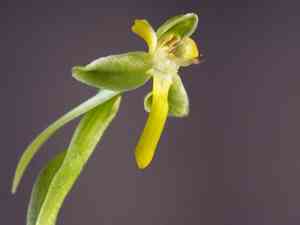
The Toothpetal bog orchid, recognized for its intricate, dentate petal formations, thrives with judicious trimming. Ideally executed in late winter or early spring, this process should concentrate on excising deceased or compromised stalks to foster vigorous development. Refrain from pruning during the middle to latter stages of its flowering cycle to avert undue strain. Effective pruning improves air movement, thereby diminishing the likelihood of ailments, and stimulates abundant blossoms. Consistently employ sanitized implements to mitigate contamination, guaranteeing a resilient and flourishing specimen.
What Are the Benefits of Pruning Toothpetal Bog Orchid?
What Are the Benefits of Pruning Toothpetal Bog Orchid?
Trimming toothpetal bog orchid encourages robust development and helps maintain its form. It enhances air circulation, lowers disease risk, and stimulates blooming. Regular removal of dead or unhealthy sections ensures toothpetal bog orchid stays vibrant and visually appealing.
What Is the Best Time for Pruning Toothpetal Bog Orchid?
What Is the Best Time for Pruning Toothpetal Bog Orchid?
Pruning toothpetal bog orchid in late winter to early spring aligns with its natural dormancy period, minimizing stress on the plant and allowing it to focus energy on new growth. During this time, pruning can help shape the plant and remove any dead or damaged foliage without disrupting its blooming cycle. This timing also prepares toothpetal bog orchid for a healthier and more robust flowering season in the subsequent growth period.
What Tools Do I Need to Prune Toothpetal Bog Orchid?
Sterilized Pruning Shears
Perfect for precise cuts on spent flower stalks and dead foliage to encourage healthy development.
Needle-nose Pruners
Useful for reaching confined, delicate areas without harming the plant's structure.
Scissors
A basic tool for minor trims, especially effective for snipping off yellowing leaves or light deadheading.
Thumb Knife
Ideal for cleanly pinching off faded blooms and trimming tiny parts without damaging the main stems.
How to Prune Toothpetal Bog Orchid
Inspect
Carefully examine toothpetal bog orchid for any indications of diseased or withered leaves. Early identification of problem areas helps prevent disease spread and promotes overall plant vitality.
Prepare tools
Sanitize pruning shears or scissors before beginning. Using clean tools reduces the chance of transmitting diseases to healthy parts of toothpetal bog orchid.
Trim diseased
Gently cut the diseased leaves close to the base, ensuring all affected tissue is removed. Be thorough, as any remaining diseased parts can impact the rest of toothpetal bog orchid.
Trim withered
Remove the withered leaves by cutting them near the stem. This not only improves the appearance of toothpetal bog orchid but also redirects energy to healthier sections of the plant.
Dispose properly
Discard the removed diseased and withered leaves away from healthy plants to minimize the risk of spreading potential pathogens. Proper disposal is vital for maintaining a clean growing environment for toothpetal bog orchid.
Common Pruning Mistakes with Toothpetal Bog Orchid
Over-pruning
Cutting back too much of the plant can stress toothpetal bog orchid, reducing its ability to produce flowers and leading to poor future growth.
Incorrect Technique
Improper use of pruning shears can cause tearing or damage to the delicate tissues of toothpetal bog orchid, which can create entry points for diseases and pests.
Pruning at Wrong Nodes
Cutting too close to or too far from the nodes may result in incomplete healing or the loss of potential flowering sites.
Common Pruning Tips for Toothpetal Bog Orchid
Use Sharp, Clean Tools
Always use sharp and sterilized pruning shears to make clean cuts, reducing the risk of infections and promoting quicker healing.
Remove Dead or Diseased Stems
Focus on cutting away any dead, damaged, or diseased stems to encourage healthy growth and reduce the risk of disease spread throughout toothpetal bog orchid.
Pinch Back for Shape and Size
Pinch back the stems lightly to maintain the shape of toothpetal bog orchid and control its size without over-pruning. This practice also encourages bushier and more compact growth.
Prune Just Above the Node
Make cuts just above a node (a swollen part of the stem where leaves or branches emerge) to ensure proper healing and promote new growth from that point.



