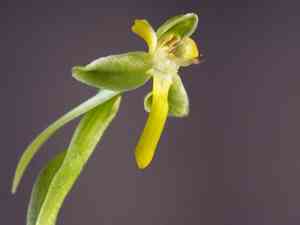
Toothpetal bog orchid (Habenaria floribunda)
Also known as: Toothed rein orchid, Toothpetal orchid
The toothpetal bog orchid thrives in wetland environments, often situated in marshes and fens with poor, acidic soils. This terrestrial orchid is notable for its fragrant white flowers arranged on a leafy stem, featuring a distinctive three-lobed lip. Its tuberous roots are well-suited for water retention and nutrient absorption, making it well-adapted to the humid, boggy conditions it prefers.
In This Article
Attributes of Toothpetal bog orchid
Lifespan
Perennial
Plant Type
Herb
Plant Height
30 cm to 91 cm
Spread
N/A
Leaf Color
Green
Flower Size
1-2 cm
Flower Color
White or pale green
Images of Toothpetal bog orchid
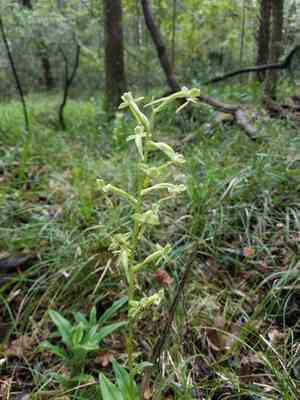
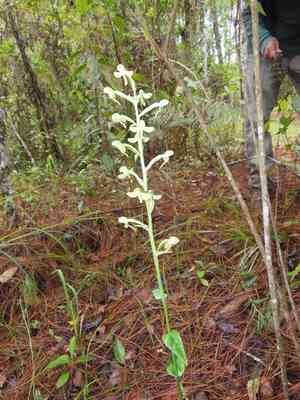
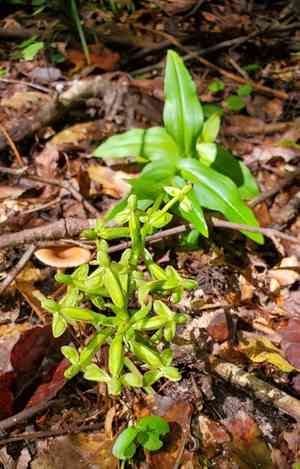
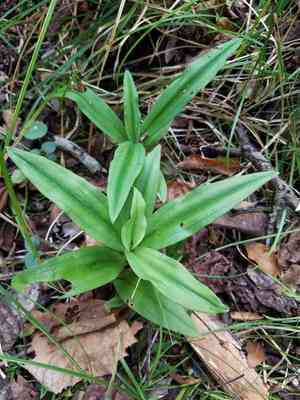
Quickly Identify Toothpetal bog orchid
1
Habenaria floribunda can be identified by its delicate white or pale green flowers that grow along a central spike. The leaves are typically lanceolate and grow in a basal rosette.
Scientific Classification of Toothpetal bog orchid
Phylum
Vascular plants
Class
Monocotyledons
Order
Asparagales
Family
Orchid
Genus
Rein orchid
Species
Toothpetal bog orchid
Planting and Growing of Toothpetal bog orchid
Care Difficulty
Hard
Watering Schedule
Every 2 days
Sunlight Requirements
Partial sun
Sunshine Duration
4-8 hours
Ideal Temperature
65-75℉
Soil Type
Potting Mix, Peat Mix
Soil pH
6.5-7.5
Fertilizer Type
Balanced
Pruning Season
Spring, Summer
Pruning Area
Branches, Leaves
Pruning Frequency
2 times a year
Repotting Season
Spring
Pot Type
Plastic, Ceramic
 How to Water Toothpetal bog orchid?
Habenaria floribunda prefers its soil to be evenly moist. Watering should be thorough, ensuring the water reaches the root zone but avoid water-logging. A good rule is to water until you see a bit of drainage from the pot.
What are the symptoms of an underwatered Toothpetal bog orchid?
›
What should I do if my Toothpetal bog orchid is not getting enough water?
›
What are the symptoms of an overwatered Toothpetal bog orchid?
›
How to save an overwatered Toothpetal bog orchid?
›
 What Are the Sunlight Requirements for Toothpetal bog orchid?
Partial sun exposure, around 2 to 4 hours of indirect light, supports healthy growth and flowering. Ideal lighting facilitates vibrant leaves and robust stems while preventing common light stress issues.
How can I achieve ideal lighting for Habenaria floribunda?
›
What specific actions are needed to ensure optimal light?
›
What benefits does ideal lighting bring to the plant?
›
 What Is the Ideal Temperature Range for Toothpetal bog orchid?
The ideal temperature range for growing Habenaria floribunda is between 65°F and 75°F. This range provides the plant with optimal conditions for growth, ensuring adequate metabolic activities and a healthy development cycle. These temperatures mimic the warm, temperate environments where this orchid species thrives naturally.
 What Soil is Best for Toothpetal bog orchid?
Habenaria floribunda thrives in well-drained soil, which prevents waterlogging that can lead to root rot. This improves oxygen availability, crucial for root health and nutrient uptake. A nutrient-rich soil is essential for the lush bloom and healthy growth of Habenaria floribunda. Organic matter in the soil enriches it with necessary nutrients, enhancing the plant's vigor and flowering potential. While they need consistent moisture, waterlogged conditions are detrimental to the plant. Proper moisture levels support the plant's cellular functions and growth without risking fungal diseases.
 How to Fertilize Toothpetal bog orchid?
The recommended amount of fertilizer for Habenaria floribunda is modest. For liquid fertilizers, dilute them to half the strength recommended for most typical plants. Use approximately 1/4 teaspoon (about 1.25 milliliters) per gallon of water, ensuring gentle nourishment.
 How to Prune Toothpetal bog orchid?
Always use sterilized pruning tools to prevent the spread of diseases. Clean them before and after each use to maintain their efficiency and cleanliness. While regular pruning is beneficial, avoid over-pruning as it can stress the plant. Aim to remove no more than 25-30% of the foliage at any given time.
More About Pruning Techniques→
 How to Propagate Toothpetal bog orchid plant?
1
Collect mature seeds from Habenaria floribunda and allow them to dry for a few days. This step increases germination rates as seeds naturally disperse when dry.
2
Select healthy, non-flowering shoots for cuttings. These should be around 4-6 inches long and free from any disease or pest damage.
3
Carefully dig up the plant to divide the tubers. Each division should have at least one viable tuber and some healthy roots attached to ensure successful propagation.
 How to Repot Toothpetal bog orchid plant?
1
Habenaria floribunda shows it needs repotting when you notice roots coming out of the drainage holes, or if the growth has slowed down considerably. The best time to repot is during early spring, as this allows the plant to settle into its new environment before the growing season begins.
2
Select a pot that is just one size larger than the current container. This ensures the roots have enough space to expand without causing waterlogging. Make sure the pot has good drainage holes to prevent excess moisture from damaging the roots, which promotes healthy growth and prevents root rot.
3
The ideal soil choice for Habenaria floribunda is a well-drained orchid mix. This mix promotes excellent aeration and drainage, emulating natural habitats. Such conditions prevent root rot and fungus infections, ensuring the plant's health and vibrant growth. Make sure to choose a mix that retains slight moisture without becoming soggy.



