How to Propagate Toothpetal bog orchid?
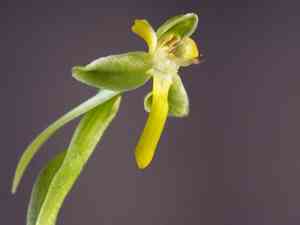
The Toothpetal bog orchid typically thrives in damp, marshy environments, favoring acidic, well-draining substrates. Reproduction through separation is a frequent method, involving the detachment of sections of the root structure to stimulate fresh development. For optimal results, confirm that the separated portions possess robust roots and nascent shoots. Gentle manipulation is crucial to prevent harm. Employ sanitized implements and promptly re-establish the divisions in a comparable setting to foster peak growth.
Optimal Time for Toothpetal Bog Orchid Propagation
Propagation Method
Splitting
Propagation Period
Spring,Autumn
Tools Required for Toothpetal Bog Orchid Propagation
Garden Fork
Employed to gently elevate and loosen the soil surrounding toothpetal bog orchid, minimizing root damage during division.
Sharp Knife
Crucial for making precise cuts when separating tubers or rhizomes of toothpetal bog orchid, ensuring minimal harm and faster recovery.
Root Hormone Powder
Stimulates root growth on newly separated toothpetal bog orchid sections, aiding in their successful establishment.
Hand Trowel
Assists in carefully re-planting the divided sections into the soil, ensuring correct placement and coverage of the root system.
Sterilized Pruning Shears
Helps to remove any damaged or undesirable roots before replanting, reducing the likelihood of rot or disease in toothpetal bog orchid.
Watering Can with Fine Rose
Delivers controlled, gentle irrigation to the newly planted toothpetal bog orchid sections, promoting hydration without disrupting soil structure.
Plastic Pots or Trays
Used for potting divided sections if immediate ground replanting is not feasible, providing a temporary yet suitable environment for initial root development.
Well-Draining Potting Mix
Ensures that the divided toothpetal bog orchid sections have an appropriate growing medium that prevents waterlogging and encourages robust root growth.
Labeling Stakes
Helps keep track of toothpetal bog orchid divisions, including recording the propagation date and other pertinent details.
Spray Bottle
Useful for misting newly divided toothpetal bog orchid sections, providing necessary moisture without excessive watering.
How to Propagate Toothpetal Bog Orchid?
Propagation Type
Simple
Post-Propagation Care for Your Toothpetal Bog Orchid
Post-Propagation Care for Your Toothpetal Bog Orchid
Following propagation, keep toothpetal bog orchid in a moist environment with good air circulation. Water periodically to maintain a damp but not saturated medium. Monitor divisions for signs of stress or decay, and maintain stable temperatures. Once new growth appears, lightly fertilize with an orchid-specific feed.
Common Errors to Avoid When Propagating Toothpetal Bog Orchid
Overwatering
Excessive moisture can lead to root rot and fungal infections, hindering root development and potentially killing toothpetal bog orchid.
Inappropriate Soil
Using soil that retains too much moisture or lacks proper drainage can suffocate roots and restrict oxygen, vital for healthy growth.
Improper Lighting
Providing either too much direct sunlight or insufficient light can stress toothpetal bog orchid, impacting its growth and propagation success.
Incorrect Humidity Levels
Failure to maintain adequate humidity can result in desiccation or wilting, impeding successful propagation.
Not Using Sterile Tools
Using contaminated tools can introduce pathogens, leading to diseases that can hinder or terminate propagation.
Tips For Propagating Toothpetal Bog Orchid
Well-Draining Soil
Utilize a soil blend that offers excellent drainage to prevent water retention and promote healthy root aeration.
Moderate Watering
Ensure the soil remains moist but not waterlogged, mimicking the natural wetland conditions where toothpetal bog orchid thrives.
Adequate Indirect Light
Position toothpetal bog orchid in a spot where it receives ample indirect sunlight, ensuring proper photosynthesis without the risk of leaf burn.
Maintain Humidity
Maintain a high humidity environment by misting regularly or using a humidity tray to replicate toothpetal bog orchid's natural habitat.
Use Sterile Tools
Always use sterilized tools when handling or transplanting toothpetal bog orchid to minimize the risk of disease and infection.



