How to Prune Gynura japonica?
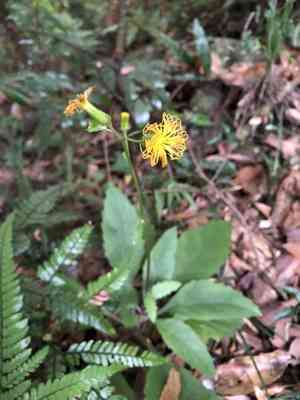
This enduring herbaceous plant is recognized for its velvety foliage and swift development. For gynura japonica, consistent trimming fosters a denser form and deters elongated stems. Snip the ends of developing shoots, especially during spring and summer when the plant is vigorously expanding. Removing faded blooms and compromised leaves improves air circulation and overall plant well-being. Trimming directly above leaf junctions prompts fresh development. Refrain from overly aggressive pruning to avert strain and preserve the plant's inherent structure.
What Are the Benefits of Pruning Gynura Japonica?
What Are the Benefits of Pruning Gynura Japonica?
Trimming gynura japonica promotes robust development and helps maintain its form. By strategically removing overgrown branches, energy is redirected to other plant parts, fostering a stronger and more visually appealing structure.
What Is the Best Time for Pruning Gynura Japonica?
What Is the Best Time for Pruning Gynura Japonica?
Trimming gynura japonica in spring is advantageous as it marks the start of its active growth period. This timing allows gynura japonica to recover and produce new growth more effectively. Additionally, pruning before summer helps gynura japonica channel energy into developing desired shoots and leaves, rather than sustaining potentially unnecessary growth. Early summer pruning is also suitable, especially after the initial spring growth spurt, to help shape the plant and maintain its preferred form. During this time, the risk of disease is also minimized due to faster wound healing in warmer temperatures.
What Tools Do I Need to Prune Gynura Japonica?
Bypass Pruners
Bypass pruners are perfect for making clean cuts on gynura japonica's stems. They function like scissors, with two blades sliding past each other to create a sharp, precise cut. This type of pruner is preferred because it minimizes damage to the plant's vascular system, aiding in quicker healing and reducing disease risk.
Micro-Tip Snips
Micro-tip snips are excellent for gynura japonica due to their precision. They enable careful trimming of gynura japonica's smaller or more densely packed foliage. Gardeners can use these for thinning or shaping the plant without harming adjacent stems and leaves.
Pruning Shears
For thicker stems that bypass pruners might struggle with, pruning shears offer more leverage and strength. They are still sharp enough to ensure a clean cut but can handle slightly woodier or tougher stem material found in older gynura japonica growth.
Alcohol Wipes or Bleach Solution
Though not a pruning tool itself, having alcohol wipes or a diluted bleach solution on hand is vital for sterilizing pruning tools before and after use. This is important to prevent the spread of any pathogens to or from gynura japonica.
How to Prune Gynura Japonica
Disinfect tools
Before starting to prune gynura japonica, ensure all pruning tools are disinfected. This is crucial to prevent disease spread. You can use a solution of 1 part bleach to 9 parts water to soak the tools, or use rubbing alcohol or a specialized disinfectant.
Identify parts
Carefully inspect gynura japonica to determine which parts need pruning. Focus on locating diseased leaves, withered leaves, and any diseased stems that might impact the plant's health.
Remove diseased leaves
Using sharp, disinfected pruning shears, gently trim away diseased leaves. Make clean cuts at the leaf base to minimize harm to the rest of gynura japonica. Dispose of these leaves properly to prevent disease spread.
Trim withered leaves
After removing diseased leaves, prune away any withered or dead leaves on gynura japonica. This helps redirect energy to healthier plant parts. Snip these off at the stem, where they meet the main plant body.
Cut diseased stems
If gynura japonica has diseased stems, cut them down to the base or back to a main branch or healthy lateral shoot. This may help encourage new growth and improve the plant's overall vigor. Dispose of all removed materials to prevent any pests or diseases from lingering near gynura japonica.
Common Pruning Mistakes with Gynura Japonica
Over-pruning
Removing too much foliage at once can stress gynura japonica, leading to poor growth or even plant death. It's crucial to prune no more than one-third of the plant at a time.
Improper cuts
Making cuts too close to the main stem may hinder gynura japonica's ability to heal and encourage disease. Conversely, leaving too much of a stub can also prevent proper healing.
Using dull tools
Dull pruning tools can lead to jagged cuts, harm gynura japonica's health, and make it more susceptible to pests and diseases. Always use sharp, clean tools for clean cuts.
Pruning for shape only
Focusing solely on shaping gynura japonica without considering the plant's health and growth pattern may lead to unsatisfactory plant health and appearance.
Neglecting to remove dead material
Failing to regularly remove dead or dying leaves and stems can hinder gynura japonica's growth and encourage disease.
Common Pruning Tips for Gynura Japonica
Selective pruning
Carefully choose which branches to prune based on gynura japonica's overall health and desired shape. Target leggy stems, weak growth, or branches that are out of place.
Cleanliness
Sanitize pruning tools before and after use to prevent disease spread. A solution of 1 part bleach to 9 parts water is a common disinfectant used.
Cutting angle
Make cuts at a 45-degree angle about 1/4 inch above a leaf node or bud to promote healing and new growth on gynura japonica.
Regular maintenance
Regularly prune to remove dead or yellowing leaves to maintain gynura japonica's health. This also provides the plant with a more lush and compact appearance.
Encouraging branching
Pinch or prune the tips of gynura japonica to encourage branching and create a fuller plant. This will also help in stimulating new growth.



