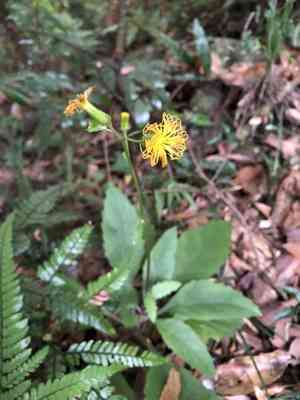
Gynura japonica (Gynura japonica)
Also known as: Japanese Gynura, Japanese Velvet Plant
Gynura japonica is a perennial herb known for its velvety, heart-shaped leaves and bright yellow-orange flowers that bring vibrant color to gardens. Native to East Asia, this plant flourishes in well-drained soil and partial shade, showcasing its attractive foliage and sun-loving blooms. It is easy to propagate, making it popular among gardeners for its low maintenance and decorative charm.
In This Article
Attributes of Gynura japonica
Lifespan
Perennial
Plant Type
Herb
Plant Height
60 cm to 1.5 m
Spread
20-50 cm
Leaf Color
Green
Flower Size
1.5 cm to 1.8 cm
Flower Color
Yellow Orange
Images of Gynura japonica
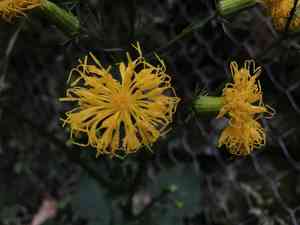
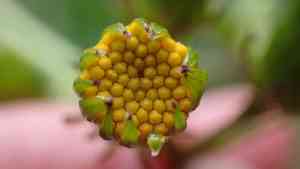
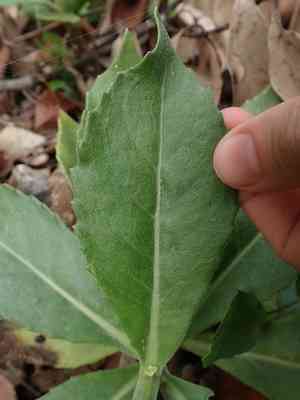
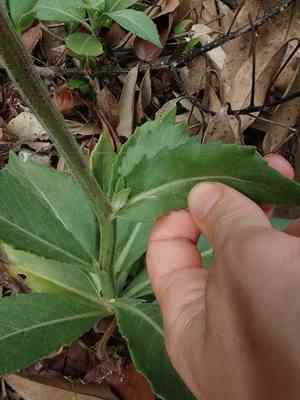
Quickly Identify Gynura japonica
1
Gynura japonica can be identified by its hairy stems and leaves, which are usually ovate to elliptical with serrated edges. The leaves are velvety to the touch and can range in color from green to purplish-green. The plant produces small, orange-yellow flowers that bloom in clusters.
Scientific Classification of Gynura japonica
Phylum
Vascular plants
Class
Dicotyledons
Order
Asters bellflowers fanflowers and allies
Family
Daisy
Genus
Purple passion
Species
Gynura japonica
Planting and Growing of Gynura japonica
Care Difficulty
Easy
Watering Schedule
Every 4 days
Sunlight Requirements
Partial sun
Sunshine Duration
6-8 hours
Ideal Temperature
60-75℉
Soil Type
Potting Mix, Peat Mix
Soil pH
6-7.5
Fertilizer Type
Balanced
Pruning Season
Spring, Summer
Pruning Area
Branches, Leaves
Pruning Frequency
2 times a year
Repotting Season
Spring
Pot Type
Terracotta, Plastic
 How to Water Gynura japonica?
For Gynura japonica, it's best to water until the potting mix is thoroughly moisturized without overflowing. The soil should feel moist but not soggy, ensuring proper drainage to prevent root rot.
What are the symptoms of an underwatered Gynura japonica?
›
What should I do if my Gynura japonica is not getting enough water?
›
What are the symptoms of an overwatered Gynura japonica?
›
How to save an overwatered Gynura japonica?
›
 What Are the Sunlight Requirements for Gynura japonica?
Partial sun with 3 to 6 hours of light ensures healthy growth. This range supports robust foliage and prevents stress-related issues.
More About Sunlight Requirements Techniques→
What is the ideal light for Gynura japonica?
›
How can I achieve ideal lighting for this plant?
›
What are the benefits of ideal lighting?
›
 What Is the Ideal Temperature Range for Gynura japonica?
Gynura japonica thrives best in a stable environment where temperatures range from 60°F to 75°F. Such conditions ensure optimal growth and vibrant foliage development. Maintaining this range helps the plant to maximize photosynthesis efficiency and supports its overall health.
 What Soil is Best for Gynura japonica?
Gynura japonica thrives in soil that is well-drained, ensuring roots do not become waterlogged which can lead to root rot. This condition supports healthy root development and vigorous plant growth. A soil rich in organic matter provides essential nutrients for Gynura japonica, promoting lush foliage and vibrant growth. Supplementing with compost or aged manure can significantly boost soil fertility. The plant prefers a pH between 6.0 and 7.5, which optimizes nutrient uptake. This range helps to prevent nutrient deficiencies and ensures the plant's overall health and vigor.
 How to Fertilize Gynura japonica?
For Gynura japonica, it's important to balance fertilizer quantity carefully. This plant prefers a diluted liquid fertilizer solution at half the recommended strength for general houseplants. Apply 250ml of this solution per plant every two weeks during the growing season. With slow-release granules, aim for approximately 10 grams scattered evenly on the soil surface, making sure the granules do not come into direct contact with the plant stem.
 How to Prune Gynura japonica?
Look for leggy, extended stems that seem sparse at the base. These are ideal candidates for pruning to encourage a fuller shape. Use your hands to gently separate the plant to see the stems clearly. Using a pair of sharp pruning shears, make a cut above a leaf node or bud. Ensure the cut is diagonal to promote quicker healing. This step encourages new shoots to emerge, giving the plant a bushier appearance. Prune away any dead, yellowing, or diseased leaves and stems. This not only improves the plant’s appearance but also prevents pests and diseases from spreading. Once you've removed unhealthy parts and trimmed for new growth, step back and assess the plant's shape. Make any additional trims to maintain a symmetrical or desired form, enhancing the plant’s aesthetic appeal.
More About Pruning Techniques→
 How to Propagate Gynura japonica plant?
1
Choose healthy, disease-free stems from the parent plant. Look for stems with several leaves and nodes, as these will be the main sources of energy and root development.
2
Cut sections of the stem about 4-6 inches long, right below a node. Remove the leaves from the lower half of the cutting to reduce moisture loss and stimulate root growth.
3
Insert the cuttings into a well-prepared potting mix. Ensure that at least one node is buried, as this is where roots are likely to form. Water thoroughly to settle the soil around the cuttings.
 How to Repot Gynura japonica plant?
1
Gynura japonica should be repotted when you notice roots growing out of the drainage holes or when the plant seems to outgrow its current pot. These are signals that the plant needs more space to grow healthily, ensuring better aeration and nutrient absorption.
2
Select a pot that is one size larger than the current one, with adequate drainage holes. This pot ensures that excess water escapes, preventing root rot. The slightly larger size gives enough room for root expansion without overwhelming the plant, promoting balanced growth.
3
Opt for a well-draining potting mix enriched with organic matter. This choice promotes robust root development and prevents overwatering issues. A nutrient-rich, airy soil mix will support Gynura japonica's growth, ensuring the roots receive the oxygen and nutrients they need.
Learn More About Gynura japonica Diseases
Anthracnose
Bacterial Leaf Spot
Bacterial Soft Rot
Bacterial Wilt
Damping-off
Downy Mildew
Drought Stress
Fusarium Wilt
Gray Mold
Leaf Spot
Mosaic
Nutrient Deficiency
Nutrient Toxicity
Powdery Mildew
Root Rot
Root-knot Nematode
Rusts
Sooty Mold
Spider Mites
Temperature Stress
Thrips Damage
White Mold
Chemical Injury



