How to Prune Pacific oakfern?
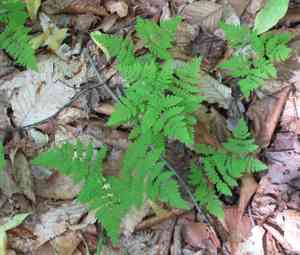
This fragile fern, recognized for its slender, intricate leaves, thrives with trimming in the initial part of spring or the latter portion of winter. Eliminate deceased or injured fronds to stimulate robust development. Reduce congested areas to foster air movement, thereby averting fungal infections. Consistent trimming boosts general vitality and preserves a neat look. Verify that implements are sanitized to preclude the spread of pathogens. This meticulous upkeep encourages abundant, thick foliage, rendering it a prized inclusion in any shaded horticultural space.
What Are the Benefits of Pruning Pacific Oakfern?
What Are the Benefits of Pruning Pacific Oakfern?
Pacific oakfern thrives with pruning, leading to robust growth and shape retention. Trimming improves air circulation, lowers disease risk, and eliminates dead or damaged fronds, ensuring a healthier plant.
What Is the Best Time for Pruning Pacific Oakfern?
What Is the Best Time for Pruning Pacific Oakfern?
Late winter and early spring are optimal for pruning pacific oakfern, allowing it to recover and grow vigorously during its active period. During these times, the plant is dormant or nearly dormant, reducing pruning stress. Pruning before new growth directs energy to healthy shoots. This timing also prevents disease and pest spread common in warmer, active seasons.
What Tools Do I Need to Prune Pacific Oakfern?
Hand Pruners
Utilize hand pruners for precise cuts on small stems. These are perfect for pacific oakfern due to its delicate, fern-like foliage.
Pruning Shears
Pruning shears can help manage any overgrown sections of pacific oakfern without harming the plant's structure.
Bypass Pruners
Ideal for clean cuts on live stems and foliage. Bypass pruners minimize damage, helping pacific oakfern maintain its attractive appearance.
Snips or Scissors
Fine-tipped snips or garden scissors are useful for detailed trimming and deadheading on pacific oakfern, especially in confined or intricate areas.
How to Prune Pacific Oakfern
Assess
Examine pacific oakfern for any diseased or withered leaves that require trimming. Look for signs of disease like yellowing, spots, or mildew.
Prepare
Sanitize your pruning tools. Use rubbing alcohol or a bleach solution to disinfect your scissors or shears to prevent disease transmission.
Trim Diseased Leaves
Carefully remove any diseased leaves. Cut as close to the leaf's base as possible without harming the healthy parts of pacific oakfern. Ensure all diseased material is removed and properly discarded.
Trim Withered Leaves
Remove withered or dead leaves to encourage healthy growth. Again, cut as close to the base as possible without damaging healthy plant tissue.
Dispose
Discard all trimmed leaves far from pacific oakfern and your garden to prevent any potential spread of disease or pests. Do not compost diseased materials.
Common Pruning Mistakes with Pacific Oakfern
Over-pruning
A frequent error is removing too many fronds at once, which can stress the plant and hinder its growth. Pacific oakfern requires a more conservative pruning approach.
Improper technique
Using dull or dirty tools can damage delicate fronds and introduce diseases. Always ensure tools are sharp and sterilized before use.
Ignoring damaged or diseased fronds
Failure to promptly remove damaged or diseased fronds can spread issues throughout the plant. Regular inspection and removal of compromised parts are crucial.
Timing
Pruning at the wrong stage of the plant's growth cycle can impede development. While specific seasons aren't detailed here, understanding the plant's growth cycle is essential.
Common Pruning Tips for Pacific Oakfern
Gentle approach
Trim fronds sparingly, only removing dead, damaged, or diseased sections. This preserves the overall health and vigor of pacific oakfern.
Tool hygiene
Always use clean and sharp pruning shears to make precise cuts, preventing damage and disease.
Regular inspection
Frequently check pacific oakfern for any signs of damage or disease, and prune affected parts immediately to prevent spread.
Cut technique
Make precise cuts near the base of the damaged frond but avoid cutting into the plant's crown.



