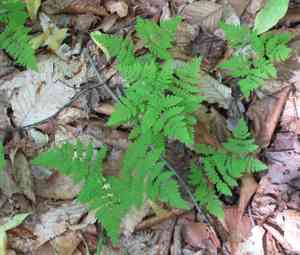
Pacific oakfern (Gymnocarpium disjunctum)
Also known as: Disjunct Brittle Fern
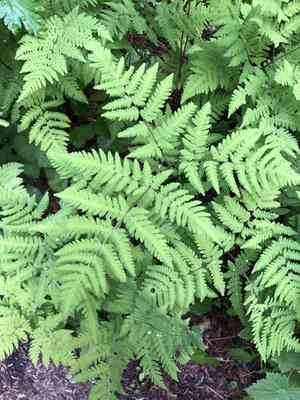
The Pacific oakfern is a delicate, deciduous fern characterized by its broad, light green fronds with a feathery texture. It prospers in the dappled shade of forest floors, favoring moist, well-drained soil. Its distinct segmented pinnae give it a lacey look. Adapted to cooler climates, it spreads gradually via rhizomes, forming graceful clusters.
In This Article
Attributes of Pacific oakfern
Lifespan
Perennial
Plant Type
Fern
Plant Height
30-45 cm
Spread
Not applicable
Leaf Color
Bright green
Flower Size
Not applicable
Flower Color
Not applicable
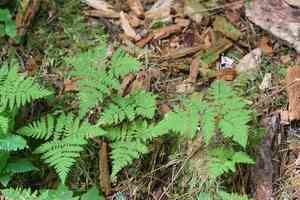
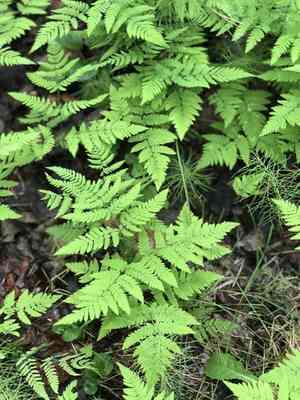
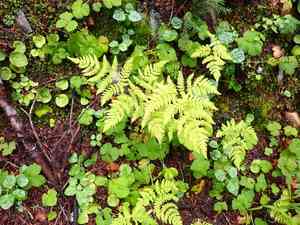
Images of Pacific oakfern
Quickly Identify Pacific oakfern
1
This fern can be identified by its triangular fronds which can grow up to 45 cm in length. The fronds are bipinnate with small, lacy leaflets. The sori, which contain the spores, are round and located on the underside of the fronds.
Scientific Classification of Pacific oakfern
Phylum
Vascular plants
Class
Ferns
Order
Polypodiales
Family
Cystopteridaceae
Genus
Oak ferns
Species
Pacific oakfern
Planting and Growing of Pacific oakfern
Care Difficulty
Moderate
Watering Schedule
Every 2 days
Sunlight Requirements
Partial sun
Sunshine Duration
4-8 hours
Ideal Temperature
60-75℉
Soil Type
Potting Mix, Peat Mix
Soil pH
6.5-7.5
Fertilizer Type
Balanced
Pruning Season
Spring, Summer
Pruning Area
Branches, Leaves
Pruning Frequency
2 times a year
Repotting Season
Spring
Pot Type
Plastic, Ceramic
 How to Water Pacific oakfern?
When watering Gymnocarpium disjunctum, aim to add about 250 milliliters each time. It's essential to ensure even moisture throughout the soil without creating waterlogged conditions, which could damage the delicate roots.
What are the symptoms of an underwatered Pacific oakfern?
›
What should I do if my Pacific oakfern is not getting enough water?
›
What are the symptoms of an overwatered Pacific oakfern?
›
How to save an overwatered Pacific oakfern?
›
 What Are the Sunlight Requirements for Pacific oakfern?
Partial sunlight and full shade are perfect for Gymnocarpium disjunctum, helping it thrive by maintaining lush, verdant fronds and robust growth patterns. Ideal lighting reduces stress and promotes efficient nutrient turnover.
Solutions for Ideal Light
›
How to Implement
›
Benefits of Ideal Light
›
 What Is the Ideal Temperature Range for Pacific oakfern?
Maintaining a temperature range between 60°F and 75°F for Gymnocarpium disjunctum allows for optimal physiological and metabolic processes. In this range, the plant's cellular functions and photosynthesis processes proceed efficiently, leading to healthy growth and foliage. This environment mimics the plant's natural woodland habitat, which supports extensive frond development with adequate moisture retention.
 What Soil is Best for Pacific oakfern?
Gymnocarpium disjunctum thrives in well-drained soil as it prevents waterlogging and root rot, ensuring healthy plant growth and resilience against diseases. The soil should retain moisture without becoming soggy, allowing the plant to access necessary water and nutrients for optimal growth and vitality. A nutrient-rich soil, with organic matter, promotes strong growth and vibrant foliage in Gymnocarpium disjunctum, supporting its overall health and lush appearance.
 How to Fertilize Pacific oakfern?
For Gymnocarpium disjunctum, moderate fertilization is ideal since it is commonly found in nutrient-poor environments. When applying liquid fertilizer, aim for a diluted solution, such as a quarter-strength general-purpose fertilizer, once a month.
 How to Prune Pacific oakfern?
First, locate any fronds that appear brown, wilted, or damaged. Remove these at the base to prevent them from sapping energy from the rest of the plant. To shape your fern, carefully trim the outer edges to maintain a compact and balanced silhouette. This helps the plant conserve water and nutrients while looking aesthetically pleasing.
More About Pruning Techniques→
 How to Propagate Pacific oakfern plant?
1
Select a healthy, mature Gymnocarpium disjunctum for division. Look for vibrant green fronds and a well-established root system to ensure that the division process is successful.
2
Once removed from the ground, gently shake off excess soil to expose the roots. Use your hands or a trowel to separate the root system into smaller sections, each with healthy roots and fronds.
3
Prepare new planting sites with nutrient-rich soil and appropriate moisture levels. Plant each divided section at the same depth as the original plant and water thoroughly to help establish the new divisions.
 How to Repot Pacific oakfern plant?
1
Repotting Gymnocarpium disjunctum is best when roots visibly outgrow the pot or the soil becomes compacted. These signs are crucial indicators that your plant needs more room to grow optimally.
2
Select a pot slightly larger than the current one, ideally with drainage holes. A larger pot allows more room for root expansion and better drainage, ensuring a healthier plant environment.
3
Opt for a well-draining, light potting mix with rich organic content. This type of soil ensures adequate aeration and minimizes water retention, preventing root rot and promoting healthy growth.



