How to Prune Hammock velvetseed?
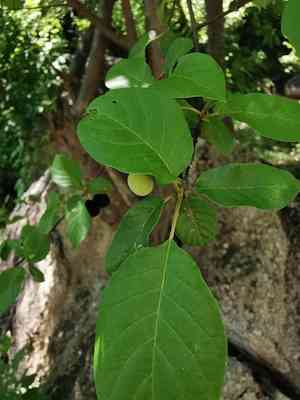
Hammock velvetseed, recognized by its oval foliage and soft seeds, thrives with trimming from late winter through early spring. This period, coinciding with its inactive phase, fosters vigorous development and blossoming. Eliminate deceased or impaired limbs to improve air movement and light exposure. Trimming additionally aids in preserving the preferred form and dimensions. Utilize sanitized, keen implements to avert illness. Consistent trimming cultivates a sturdy framework and abundant flowering, ensuring hammock velvetseed is a highlight in any landscape.
What Are the Benefits of Pruning Hammock Velvetseed?
What Are the Benefits of Pruning Hammock Velvetseed?
Hammock velvetseed thrives with pruning, which encourages strong development, maintains its form, and boosts overall vitality. Regular trimming helps control its size, promotes dense foliage, and lowers the chance of pests and illnesses.
What Is the Best Time for Pruning Hammock Velvetseed?
What Is the Best Time for Pruning Hammock Velvetseed?
Trimming or cutting hammock velvetseed in early spring or late winter aligns with its dormant phase. This timing minimizes stress and allows for more vigorous growth once spring's active period begins. Early spring pruning also supports healthier blooms and fruits by removing dead or diseased wood before the growing season. It provides a clear shape and encourages better air circulation, contributing to overall plant health.
What Tools Do I Need to Prune Hammock Velvetseed?
Hand Pruners
For accurate cuts on small branches or twigs. Perfect for the initial and ongoing trimming of hammock velvetseed.
Loppers
Useful for cutting thicker branches that hand pruners cannot manage. Provides the leverage needed for clean cuts without harming plant tissue.
Pruning Saw
Best for removing larger branches while minimizing damage to hammock velvetseed. A pruning saw allows for smoother cuts that promote healthier regrowth.
Pole Pruner
To reach higher branches without needing a ladder, making it safer and more efficient for taller hammock velvetseed specimens.
How to Prune Hammock Velvetseed
Inspect
Thoroughly examine hammock velvetseed for diseased, withered, or damaged leaves. Look for signs of discoloration, spots, or wilted parts.
Sterilize
Sanitize your pruning tools with a solution of one part bleach to ten parts water to prevent disease transmission.
Remove Diseased Leaves
Carefully trim away any diseased leaves by cutting them at their base, close to the stem, without harming healthy tissue.
Remove Withered Leaves
Cut off withered leaves similarly by trimming them close to the stem, ensuring no stubs are left that could harbor disease.
Dispose
Properly discard the removed leaves to prevent any potential spread of disease. Do not compost diseased plant material.
Common Pruning Mistakes with Hammock Velvetseed
Incorrect technique
Using dull or unsuitable tools that tear or crush stems instead of making clean cuts. This can harm the plant and increase its vulnerability to diseases.
Excessive pruning
Removing too much foliage at once can stress hammock velvetseed and impede its growth. It's vital to avoid over-pruning to maintain the plant's health and vigor.
Pruning at wrong time
Pruning during active growth periods can lead to shock and reduced flowering. While specific timing isn't covered here, adhering to best practices for timing is essential.
Improper cut location
Cutting too far from a bud or branch node can leave stubs prone to die-back and disease. It's important to make cuts just above a bud or branch to promote healing.
Common Pruning Tips for Hammock Velvetseed
Sharp tools
Always use sharp, clean pruning shears or loppers for precise cuts. This helps prevent disease spread and ensures clean cuts that heal quickly.
Start small
For new gardeners, begin with light pruning to gradually shape hammock velvetseed and remove dead or damaged branches, building confidence and preventing over-pruning.
Focus on airflow
Prune to improve airflow within the plant, which helps reduce the risk of fungal diseases. This involves removing inward-facing or crossing branches.
Maintain structure
For experienced gardeners, focus on maintaining a balanced shape and structure. Remove no more than 1/3 of the plant's foliage at any time to encourage healthy and controlled growth.
Observe response
After pruning, monitor hammock velvetseed's reaction. This will provide insights into how much and where to prune in future sessions. Adjust your approach based on the plant's health and growth patterns.



