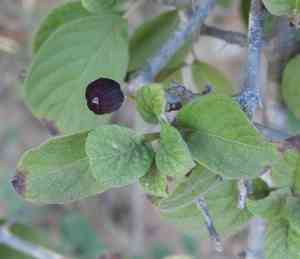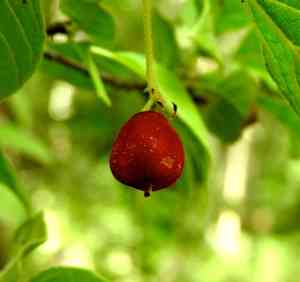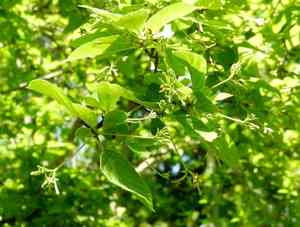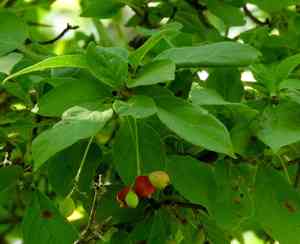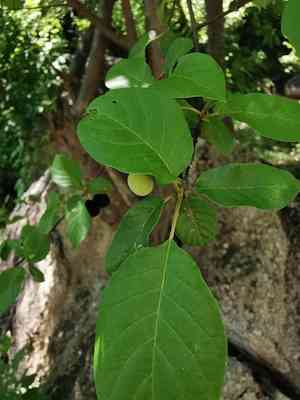
Hammock velvetseed(Guettarda elliptica)

Hammock velvetseed (Guettarda elliptica)

Also known as: Common velvetseed, Oval-leaf velvetseed

Hammock velvetseed (Guettarda scabra) stands out in coastal environments due to several distinctive features:

1. **Glossy, Elliptical Leaves:** The plant boasts shiny, elliptical leaves that can grow up to 10 cm long, contributing to its overall dense and bushy form.
2. **Salt and Wind Hardiness:** Its resilience to salty conditions and strong coastal winds highlights its evolutionary adaptation to coastal living.
3. **Fragrant White Flowers:** The shrub produces delicate, white flowers with a gentle fragrance, which attract a variety of pollinators and enhance its integration into the tropical landscape.

These characteristics enable Hammock velvetseed to effectively flourish in the demanding conditions of coastal habitats.

Attributes of Hammock velvetseed

Lifespan
Perennial
Plant Height
1.5 to 7 meters
Spread
Up to 3 meters
Leaf Color
Dark green
Flower Size
Up to 1 cm
Flower Color
White

ForwardPlant - Identify plants with a snap

Identify and diagnose plants, get toxicity alerts, and explore safety guides for all types of fungi.

Try for Free

Images of Hammock velvetseed

Hammock velvetseed(Guettarda elliptica)

Quickly Identify Hammock velvetseed

1
Identification skills include looking for the characteristic elliptical leaves, white fragrant flowers, and its shrubby growth form.

Scientific Classification of Hammock velvetseed

Phylum
Vascular plants
Class
Dicotyledons
Order
Gentianales
Family
Madder
Genus
Velvetseed
Species
Hammock velvetseed

Planting and Growing of Hammock velvetseed

Care Difficulty
Moderate
Watering Schedule
Every 2 days
Sunlight Requirements
Partial sun
Sunshine Duration
4-8 hours
Ideal Temperature
65-75℉
Soil Type
Potting Mix, Peat Mix
Soil pH
6.5-7.5
Fertilizer Type
Balanced
Pruning Season
Spring, Summer
Pruning Area
Branches, Leaves
Pruning Frequency
2 times a year
Repotting Season
Spring
Pot Type
Terracotta, Plastic

water icon How to Water Hammock velvetseed?

For Guettarda elliptica, it's crucial to water until the soil is uniformly moist but not waterlogged. The rule of thumb is to ensure the top 2-3 inches of soil feel damp. This usually equates to around 500 ml of water per session, ensuring that moisture reaches the deeper roots without overflowing the drainage saucer.
What are the symptoms of an underwatered Hammock velvetseed?
What should I do if my Hammock velvetseed is not getting enough water?
What are the symptoms of an overwatered Hammock velvetseed?
How to save an overwatered Hammock velvetseed?

sunlight icon What Are the Sunlight Requirements for Hammock velvetseed?

Sunlight Requirements: Partial sun, Full sun
Duration of light: 4 to 6 hours
For Guettarda elliptica, the ideal light range consists of partial to full sun exposure. This range supports vigorous growth, enhances flowering, and fortifies the plant's natural defenses.
How much sunlight does Guettarda elliptica need?
How do I ensure Guettarda elliptica gets the ideal amount of sunlight?
What happens if Guettarda elliptica gets optimal sunlight?

temperature icon What Is the Ideal Temperature Range for Hammock velvetseed?

Ideal Temperature: 65 ~ 75℉
Guettarda elliptica thrives best in temperatures ranging from 65°F to 75°F. This range is ideal as it supports optimal physiological activities and growth processes. Temperatures within this bracket ensure proper photosynthesis and respiration rates, contributing to healthy foliage and robust plant development.

soil icon What Soil is Best for Hammock velvetseed?

Soil type: Sandy soil, Loam, Calcareous soil
Soil PH: 6.5 ~ 7.5
Guettarda elliptica thrives in well-drained soils that prevent water from pooling at the roots, reducing the risk of root rot. Ensuring proper drainage is crucial for promoting healthy root development and maintaining vitality. The plant benefits from nutrient-rich soil that provides the essential elements necessary for robust growth and flowering. Utilizing organic matter such as compost can significantly enhance the nutritional profile of the soil, supporting the plant's overall health. Soil that retains moderate moisture without becoming soggy is ideal for Guettarda elliptica. This balance helps in sustaining the plant through dry spells while avoiding saturation that can damage roots.

fertilize icon How to Fertilize Hammock velvetseed?

Fertilizer type: Balanced
Guettarda elliptica requires a balanced approach to fertilization to thrive. Ensure to apply fertilizers at half the recommended rate for general ornamental plants, as excessive nutrients can harm the root system and overall plant health.

prune icon How to Prune Hammock velvetseed?

Pruning Time: Spring, Summer
Begin by inspecting the plant for any dead or diseased branches. These can be identified by their lack of leaves, discolored bark, or obvious signs of disease. Use clean, sharp pruning shears to remove these branches at their base, which will help prevent the spread of disease and encourage new growth. To maintain a pleasing shape of your Guettarda elliptica, focus on trimming overgrown branches that disrupt the desired silhouette. Cut back any excessively long branches just above a node to encourage bushier growth. Additionally, thin out the interior of the tree to allow light and air penetration, reducing the risk of fungal diseases. More About Pruning Techniques

propagate icon How to Propagate Hammock velvetseed plant?

Propagate Time: Spring, Early spring
1
Use a well-draining potting mix suitable for Guettarda elliptica. It is essential to ensure the soil is rich in organic matter, as this provides the necessary nutrients for seed germination and cutting establishment. Moisten the soil lightly before planting seeds or insert cuttings.
2
Plant seeds about 1/4 inch deep in the prepared soil mix. Lightly cover them with soil and ensure they are evenly spaced to prevent competition for resources. Maintain soil moisture with gentle watering, avoiding waterlogging which can rot the seeds.
3
Select healthy, non-flowering shoots of about 4-6 inches long for cuttings. Remove lower leaves and insert the cuttings into the potting mix about 2 inches deep. Ensure that at least one leaf node is below the soil to encourage rooting.
More About Propagating Techniques

repot icon How to Repot Hammock velvetseed plant?

Repotting frequency: Every 2-3 years
1
Guettarda elliptica signals its need for repotting when you notice roots emerging from the pot’s drainage holes. Repotting is also essential if the plant experiences stunted growth or appears root-bound. Spring and autumn are the preferred seasons, as milder temperatures encourage faster recovery.
2
Select a pot that is just one size larger than its current one to prevent root rot from excess soil moisture. A pot with sufficient drainage holes is crucial, as it aids in preventing waterlogging, allowing the roots to receive adequate oxygen, and promoting healthy growth.
3
Opt for a well-draining potting mix, combining equal parts of peat, perlite, and pine bark. This mixture provides essential nutrients while ensuring moisture and air circulation around the roots, reducing the risk of root rot and encouraging robust plant health.

ForwardPlant - Identify plants with a snap

Find the best spots for them to optimize their health, simply using your phone.

Try for Free