How to Prune Shaggy hedgehyssop?
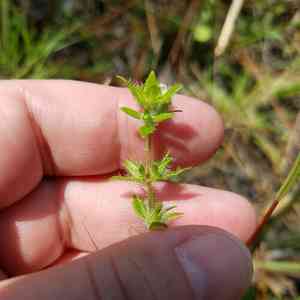
Distinguished by its unkempt look and fragile blossoms, shaggy hedgehyssop thrives with trimming during the spring and summer seasons. Essential methods include excising deceased or injured stalks to foster robust development and preserve its form. Trimming subsequent to the initial spring flowering encourages a renewed blooming period. Always utilize sanitized, keen implements to avert pathogen transmission. Consistent trimming improves air movement and light exposure, resulting in a more robust and visually appealing specimen. Refer to regional gardening directives for localized recommendations.
Advantages of Trimming Shaggy Hedgehyssop
Advantages of Trimming Shaggy Hedgehyssop
Shaggy hedgehyssop thrives with trimming, promoting vigorous growth and shape retention. Regular trimming encourages robust development, improves appearance, and manages size. It also aids in pest and disease resistance, ensuring a well-formed, strong plant.
Optimal Time for Trimming Shaggy Hedgehyssop
Optimal Time for Trimming Shaggy Hedgehyssop
Trimming or pruning shaggy hedgehyssop during spring and summer aligns with its active growth phase. During this period, the plant is more resilient and can recover quickly from cuts. Additionally, spring trimming can help shape the plant and encourage healthy new growth, while summer trimming can help manage its size and prevent it from becoming too leggy. Ensuring the plant's health and structure, while also maximizing its flowering potential, makes these seasons ideal for trimming.
Necessary Tools for Trimming Shaggy Hedgehyssop
Hand Pruners
Perfect for making clean cuts on small stems and branches, preventing plant damage.
Pruning Shears
Useful for shaping and light trimming tasks, ensuring precise cuts on delicate parts.
Bypass Pruners
Designed for clean cuts on tender, green stems without crushing them, maintaining plant health.
Sterilizing Solution or Rubbing Alcohol
Crucial for disinfecting tools before and after trimming to prevent disease spread.
Protective Gloves
Important for protecting hands while handling the plant and tools, ensuring safety during trimming.
How to Trim Shaggy Hedgehyssop
Assessment
Examine shaggy hedgehyssop for any visible signs of disease, withered leaves, and compromised stems. Pay close attention to discoloration, spots, or unusual leaf texture.
Clean Tools
Sanitize pruning shears or scissors using rubbing alcohol or a dilute bleach solution. Ensuring clean tools helps prevent the spread of diseases.
Remove Diseased Leaves
Identify and carefully trim away any diseased leaves. Make clean cuts at the base of the leaf stem, ensuring not to damage healthy tissue nearby.
Remove Withered Leaves
Gently remove any withered leaves. This helps improve airflow and reduces the risk of fungal infections.
Remove Diseased Stems
Carefully cut back any diseased stems to healthy growth or just above a leaf node, ensuring any diseased portions are completely removed to promote new, healthy growth.
Common Trimming Errors with Shaggy Hedgehyssop
Improper Technique
Using dull or unsuitable tools can cause jagged cuts, leading to plant stress and disease introduction.
Excessive Trimming
Removing too much foliage at once can weaken shaggy hedgehyssop and hinder its ability to photosynthesize and recover.
Ignoring Dead or Diseased Parts
Failing to remove dead or diseased branches can spread infections and negatively impact the plant's health.
Wrong Timing
Trimming at the wrong time can affect shaggy hedgehyssop's growth cycle and flowering potential, reducing its overall vitality.
Cutting Too Close or Too Far From the Node
Incorrect cut placement can result in stubs or damage to the plant, which can inhibit new growth.
General Trimming Advice for Shaggy Hedgehyssop
Use Sharp, Clean Tools
Ensure pruners or shears are sharp and clean to make precise cuts and prevent disease spread.
Remove Dead or Diseased Growth First
Start by cutting away any dead or diseased parts to give shaggy hedgehyssop the best chance for healthy new growth.
Trim Moderately
Only remove up to one-third of the plant's foliage at a time to avoid stressing shaggy hedgehyssop and promote balanced growth.
Cut at an Angle
Make angled cuts just above a node or bud to encourage new growth and prevent water from settling on the cut surface.
Inspect Regularly
Regularly inspect shaggy hedgehyssop to catch any issues early and maintain its health and shape with minimal intervention.



