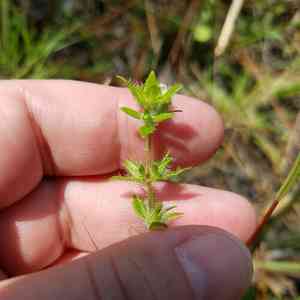
Shaggy hedgehyssop (Gratiola pilosa)
Also known as: Hairy Hedgehyssop
Shaggy hedgehyssop is a delicate plant known for its soft, hairy stems and small, lance-shaped leaves. Its modest pinkish-white flowers grow close to the stem, adding a touch of subtle beauty. This plant thrives in wet environments such as marshes, swamps, and the edges of ponds, favoring moist, nutrient-rich soils. Its slender form and sparse foliage are adaptations that help it compete in areas where water is plentiful but sunlight can be limited.
In This Article
Attributes of Shaggy hedgehyssop
Lifespan
Perennial
Plant Type
Herb
Plant Height
Up to 30 cm
Spread
Not applicable
Leaf Color
Green
Flower Size
Approximately 1 cm
Flower Color
Yellow
Images of Shaggy hedgehyssop
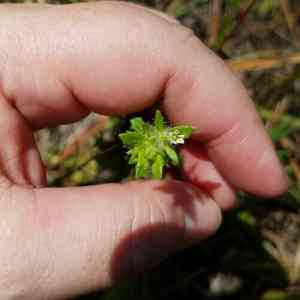
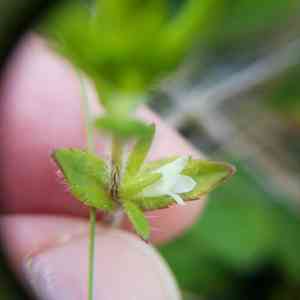
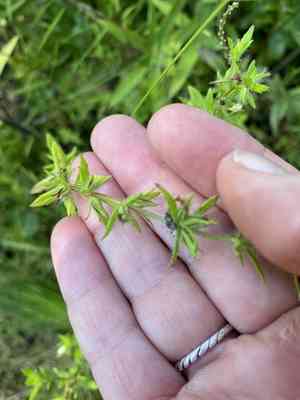
Quickly Identify Shaggy hedgehyssop
1
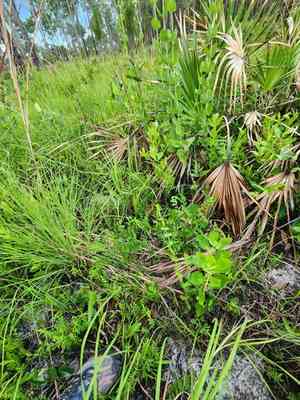
Gratiola pilosa can be identified by its hairy stems, which can grow to be up to 30 cm tall. The leaves are oppositely arranged, lanceolate, and hairy as well. It produces small yellow flowers with a tubular shape.
Scientific Classification of Shaggy hedgehyssop
Phylum
Vascular plants
Class
Dicotyledons
Order
Lamiales
Family
Plantain
Genus
Gratiola
Species
Shaggy hedgehyssop
Planting and Growing of Shaggy hedgehyssop
Care Difficulty
Moderate
Watering Schedule
Every 2 days
Sunlight Requirements
Partial sun
Sunshine Duration
4-8 hours
Ideal Temperature
65-75℉
Soil Type
Potting Mix, Peat Mix
Soil pH
6-7.5
Fertilizer Type
Balanced
Pruning Season
Spring, Summer
Pruning Area
Branches, Leaves
Pruning Frequency
2 times a year
Repotting Season
Spring
Pot Type
Plastic, Ceramic
 How to Water Shaggy hedgehyssop?
For Gratiola pilosa, the ideal watering amount is around 200 ml per session. Ensure the soil is moist but not waterlogged, as the roots prefer hydration without drowning. This amount is optimal for maintaining its vigour.
What are the symptoms of an underwatered Shaggy hedgehyssop?
›
What should I do if my Shaggy hedgehyssop is not getting enough water?
›
What are the symptoms of an overwatered Shaggy hedgehyssop?
›
How to save an overwatered Shaggy hedgehyssop?
›
 What Are the Sunlight Requirements for Shaggy hedgehyssop?
Partial sunlight is ideal, offering the best of both worlds. It balances light absorption, optimizing growth without risking photodamage.
What is Gratiola pilosa's optimal lighting environment?
›
How can I achieve ideal lighting for Gratiola pilosa?
›
What happens when Gratiola pilosa receives ideal lighting?
›
 What Is the Ideal Temperature Range for Shaggy hedgehyssop?
For optimal growth, Gratiola pilosa thrives best at temperatures ranging from 65°F to 75°F. This range ensures that the plant can carry out necessary metabolic activities without undue stress, promoting robust and healthy development.
 What Soil is Best for Shaggy hedgehyssop?
Gratiola pilosa thrives in soil that ensures excellent drainage. Proper drainage prevents waterlogging, thus protecting the roots from rot and enabling the plant to absorb essential nutrients efficiently. This plant benefits from moderately fertile soil, which provides essential nutrients for optimal growth. With adequate fertility, Gratiola pilosa can maintain robust foliage and vibrant blooms. While the soil must drain well, it also needs to retain some moisture. This balance helps the plant remain hydrated during dry spells, which is crucial for its healthy development.
 How to Fertilize Shaggy hedgehyssop?
For Gratiola pilosa, it is essential to use balanced fertilizer concentrations. A light hand with fertilizer is recommended, as this plant thrives in nutrient-poor conditions. Use liquid fertilizers at half the recommended strength and monitor plant response closely to adjust if necessary.
 How to Prune Shaggy hedgehyssop?
Begin by identifying dead or overgrown stems that need removal. These can often be recognized by their lack of leaves or flowers and a brittle texture. Removing these parts will promote stronger, healthier growth and prevent the plant from expending unnecessary energy. When cutting, aim to prune slightly above a bud or branch junction at a 45-degree angle. This angle encourages water to run off the cut, reducing the risk of rot and ensuring faster healing of the plant. Always make your cuts with precision to avoid jagged edges.
More About Pruning Techniques→
 How to Propagate Shaggy hedgehyssop plant?
1
Collect seeds during late autumn and store them in a cool, dry place. Before planting, soak the seeds in water overnight to encourage germination, enhancing the chances of successful sprouting.
2
Select healthy stems and cut 4-6 inches sections with a sterilized pruning shear. Remove lower leaves and dip the cut end in rooting hormone to improve rooting success.
3
In early spring, carefully dig up the plant, ensuring minimal root damage. Separate the plant into smaller clumps with roots intact, ready for replanting in fresh soil.
 How to Repot Shaggy hedgehyssop plant?
1
Gratiola pilosa requires repotting when you notice its roots peering out of the drainage holes, indicating that it's outgrown its current space. Secondly, if you observe poor water drainage or the soil loses acidity, it's time to consider a new potting. These are clear indicators that the plant needs a fresh potting environment for optimal growth.
2
Choose a pot that is one size larger with ample drainage holes to allow excess water to escape, thereby preventing root rot. The additional spacing of the pot encourages healthy root expansion without constriction, promoting robust plant development. Terra cotta or ceramic pots are ideal to maintain soil moisture balance.
3
Opt for well-draining, sandy soil which mimics Gratiola pilosa's natural habitat, allowing for adequate air circulation and preventing waterlogging. The sandy texture ensures roots get optimal water absorption without suffocation, aiding in the prevention of root rot and encouraging vigorous growth.
Toxicity
ingestion
WARNING
The judgment on toxicity and danger is for reference only. We DO NOT GUARANTEE any accuracy of such judgment. Therefore, you SHALL NOT rely on such judgment. It is IMPORTANT TO SEEK PROFESSIONAL ADVICE in advance when necessary.
Learn More About Shaggy hedgehyssop Diseases
Anthracnose
Bacterial Leaf Spot
Bacterial Soft Rot
Bacterial Wilt
Black Spot
Chemical Injury
Crown Gall
Cyst Nematode
Damping-off
Downy Mildew
Drought Stress
Fusarium Wilt
Gray Mold
Leaf Spot
Mosaic
Nutrient Deficiency
Nutrient Toxicity
Powdery Mildew
Root Rot
Root-knot Nematode
Rusts
Sooty Mold
Spider Mites
Temperature Stress
Thrips Damage
White Mold



