How to Prune Golden hedge-hyssop?
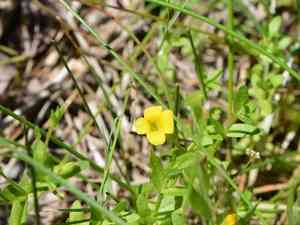
Distinguished by its bright, golden blossoms, golden hedge-hyssop flourishes optimally with consistent trimming to improve its compact shape and foster more abundant development. The most suitable periods for pruning are late spring and all through summer, coinciding with vigorous growth stages to stimulate robust new stems. Focus on eliminating aged, non-blooming stalks and any slender, congested limbs. Pruning not only preserves an attractive appearance but also aids in warding off ailments by enhancing air movement among the leaves.
What Are the Benefits of Pruning Golden Hedge-hyssop?
What Are the Benefits of Pruning Golden Hedge-hyssop?
Trimming golden hedge-hyssop encourages robust development and helps maintain its form. This practice promotes denser foliage and a more appealing plant shape, aligning with the species' inherent growth patterns and visual appeal.
What Is the Best Time for Pruning Golden Hedge-hyssop?
What Is the Best Time for Pruning Golden Hedge-hyssop?
Pruning golden hedge-hyssop during spring and early summer coincides with the plant's active growth period, which facilitates quick recovery and new growth. This timing, prior to the peak of summer, ensures golden hedge-hyssop has ample time to recuperate and strengthen, crucial for its health and improved blooming.
What Tools Do I Need to Prune Golden Hedge-hyssop?
Hand Pruners
Perfect for shaping and trimming golden hedge-hyssop. These instruments allow for accurate cuts, reducing harm to the delicate stems.
Garden Scissors
Suitable for removing dead or overgrown leaves without damaging the thick, hedge-like structure of golden hedge-hyssop.
Thinning Shears
Effective for occasional thinning of golden hedge-hyssop's leaves to improve air circulation and light penetration.
How to Prune Golden Hedge-hyssop
Identify
Identify and assess the condition of golden hedge-hyssop. Carefully inspect the plant, focusing on diseased, withered leaves, and any affected stems. Mark these areas as they will require precise attention during the pruning process.
Sanitization
Sanitize your pruning tools to prevent disease spread. Clean pruning shears or scissors with a solution of 1 part bleach to 9 parts water. Allow the tools to air dry before use.
Pruning diseased parts
Begin pruning by removing diseased leaves and stems. Make clean cuts at the base of each affected part, ensuring not to tear or harm the healthy sections of golden hedge-hyssop. Dispose of the removed parts promptly and safely to avoid contamination.
Pruning withered leaves
Continue by cutting back all withered leaves. Use the same sanitization measures between cuts if necessary. This helps to encourage healthier growth and improve the appearance of golden hedge-hyssop.
Cleanup
After pruning, clear away all debris from around golden hedge-hyssop to promote good air circulation and reduce the likelihood of disease. Clean and store your pruning tools properly to keep them sharp and disinfected for future use.
Common Pruning Mistakes with Golden Hedge-hyssop
Over-pruning
A common error is removing too much foliage from golden hedge-hyssop, which can stress the plant and hinder its ability to photosynthesize. This mistake can lead to weakened growth and diminished health.
Improper technique
Using dull or unclean pruning tools can result in jagged cuts, which are more susceptible to infections and diseases. Additionally, making cuts that are too close or too far from the node can interfere with proper healing.
Ignoring plant structure
Failing to consider golden hedge-hyssop's natural growth form during pruning can result in a loss of its aesthetic shape and could impact future flowering by mistakenly removing growth points.
Common Pruning Tips for Golden Hedge-hyssop
Correct tool selection
Utilize sharp, clean pruning shears. This ensures precise cuts that heal quickly, minimizing the risk of disease entry.
Selective pruning
Focus on removing dead or diseased foliage first to maintain the health and vigor of golden hedge-hyssop. Thin out dense areas to enhance air circulation, which reduces the risk of fungal diseases.
Consider growth habit
Understand and maintain the natural form of golden hedge-hyssop. Prune to encourage branching where it contributes to a balanced shape, which involves selectively cutting back overgrown sections without hindering the plant’s overall structure.



