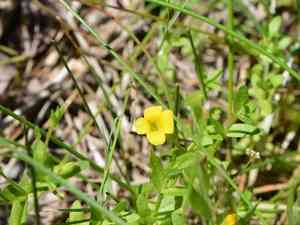
Golden hedge-hyssop (Gratiola aurea)
Also known as: Golden Hedge-hyssop
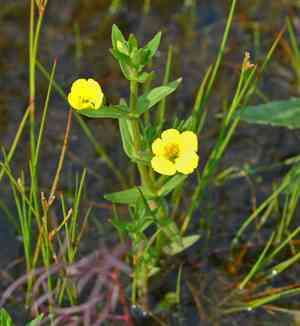
Golden hedge-hyssop (Gratiola aurea) is recognized for its bright yellow flowers that adorn its thin, upright stems. This perennial herb thrives in wet environments such as marshes, pond edges, and shallow waters, preferring sandy, acidic to neutral soils. Its lanceolate leaves grow in pairs, and the plant's branching structure helps it flourish near water sources by optimizing sunlight exposure and attracting pollinators.
In This Article
Attributes of Golden hedge-hyssop
Lifespan
Perennial
Plant Type
Herb
Plant Height
10 to 30 cm
Spread
Not applicable (herbaceous plant)
Leaf Color
Bright green
Flower Size
Approximately 1 cm
Flower Color
Yellow
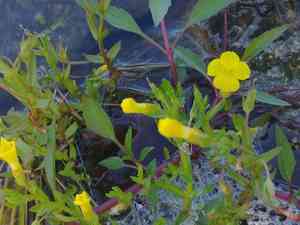
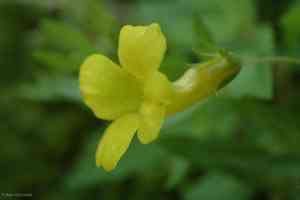
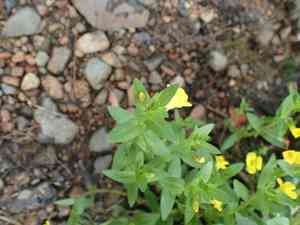
Images of Golden hedge-hyssop
Quickly Identify Golden hedge-hyssop
1
To identify Gratiola aurea, look for its linear to lance-shaped leaves that are arranged oppositely along the stem. The plant features small yellow flowers with a distinct tubular shape and five lobed petals.
Scientific Classification of Golden hedge-hyssop
Phylum
Vascular plants
Class
Dicotyledons
Order
Lamiales
Family
Plantain
Genus
Gratiola
Species
Golden hedge-hyssop
Planting and Growing of Golden hedge-hyssop
Care Difficulty
Easy
Watering Schedule
Every 8 days
Sunlight Requirements
Full sun
Sunshine Duration
4-8 hours
Ideal Temperature
60-75℉
Soil Type
Potting Mix, Peat Mix
Soil pH
6.5-7.5
Fertilizer Type
Balanced
Pruning Season
Spring, Summer
Pruning Area
Branches, Leaves
Pruning Frequency
2 times a year
Repotting Season
Spring
Pot Type
Plastic, Ceramic
 How to Water Golden hedge-hyssop?
Gratiola aurea thrives in moist conditions, so ensure the soil is thoroughly soaked without waterlogging. Approximately 300 ml per watering session should keep this plant hydrated and happy. Adjusting based on climate and soil type is advisable.
What are the symptoms of an underwatered Golden hedge-hyssop?
›
What should I do if my Golden hedge-hyssop is not getting enough water?
›
What are the symptoms of an overwatered Golden hedge-hyssop?
›
How to save an overwatered Golden hedge-hyssop?
›
 What Are the Sunlight Requirements for Golden hedge-hyssop?
Gratiola aurea flourishes under conditions offering 4 to 6 hours of light. Adequate sun exposure is crucial for blooming and overall health.
How much sunlight does Gratiola aurea need?
›
What is the best way to provide ideal lighting?
›
What benefits does ideal lighting offer Gratiola aurea?
›
 What Is the Ideal Temperature Range for Golden hedge-hyssop?
Gratiola aurea prefers temperatures between 60°F and 75°F for optimal growth. This range supports vital physiological processes such as photosynthesis and nutrient absorption, ensuring that the plant remains healthy and vigorous.
 What Soil is Best for Golden hedge-hyssop?
Gratiola aurea thrives in well-drained soils that prevent waterlogging, ensuring that the roots remain healthy and aerated, which is crucial for their growth and the plant's overall health. Although drainage is important, the soil should also retain enough moisture to provide a consistent supply of water, mimicking the plant's natural habitat and supporting its lush foliage. The soil should be fertile, enriching the plant with essential nutrients to promote vibrant growth and a robust plant structure.
 How to Fertilize Golden hedge-hyssop?
For Gratiola aurea, it's essential to balance the amount of fertilizer. Use a diluted solution for liquid fertilizers, mixing one teaspoon of balanced N-P-K fertilizer per gallon of water. Over-application can damage roots, so keep the solution light and adjust according to the plant's growth response.
 How to Prune Golden hedge-hyssop?
Begin by examining Gratiola aurea for any signs of dead or diseased stems. Identification of areas that need attention is the first step to effective pruning. Trim back any overgrown areas to maintain the plant’s desired shape and enhance its appearance. Ensure adequate air circulation by not overcrowding branches. After pruning, clear away all fallen leaves and cuttings. This reduces the risk of disease and helps maintain a neat and healthy growing environment.
More About Pruning Techniques→
 How to Propagate Golden hedge-hyssop plant?
1
Use a well-draining soil mix suitable for Gratiola aurea. Mix peat with sand or perlite to ensure proper aeration and drainage, essential for seed and cutting propagation.
2
Sow the seeds lightly on the surface of the prepared soil mix. Ensure they are lightly covered with soil and mist them gently to provide adequate moisture without waterlogging.
3
Select healthy stems and cut about 3-4 inches long. Remove the lower leaves before planting the cutting into a moist, nutrient-rich growing medium.
 How to Repot Golden hedge-hyssop plant?
1
Gratiola aurea, better known for its resilience in wetlands, often signals repotting time when you notice its roots spiraling at the bottom of the pot or its growth has significantly slowed down. These indications hint at the plant being root-bound or lacking essential nutrients.
2
Select a pot that is about 1-2 inches larger in diameter than the current one. This provides ample room for growth without risking excessive moisture retention, which might lead to root rot. Drainage holes are a must to ensure that the plant does not sit in water.
3
A sandy, well-draining soil mix is optimal for Gratiola aurea. This type of soil mimics its natural habitat, offering excellent water management and preventing waterlogging while ensuring that roots access the necessary aeration for healthy growth.
Toxicity
Ingestion
WARNING
The judgment on toxicity and danger is for reference only. We DO NOT GUARANTEE any accuracy of such judgment. Therefore, you SHALL NOT rely on such judgment. It is IMPORTANT TO SEEK PROFESSIONAL ADVICE in advance when necessary.
Learn More About Golden hedge-hyssop Diseases
Anthracnose
Bacterial Leaf Spot
Bacterial Soft Rot
Bacterial Wilt
Chemical Injury
Damping-off
Downy Mildew
Drought Stress
Fusarium Wilt
Gray Mold
Leaf Spot
Mosaic
Nutrient Deficiency
Nutrient Toxicity
Powdery Mildew
Root Rot
Root-knot Nematode
Rusts
Sooty Mold
Spider Mites
Temperature Stress
Thrips Damage
White Mold



