How to Propagate Golden hedge-hyssop?
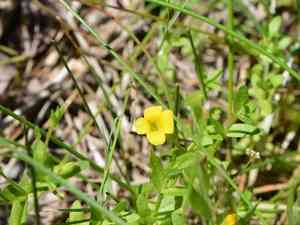
Golden hedge-hyssop flourishes when reproduced via cuttings. For successful propagation, select robust, unblemished stems and employ a keen, disinfected blade or shears to create the cuttings. It is recommended to immerse the severed ends in rooting compound prior to embedding them in a well-aerated potting blend to stimulate root formation. Confirm that the substrate stays damp yet not excessively saturated to prevent decay. This technique facilitates the comparatively rapid establishment and growth of new specimens.
What Is the Best Time To Propagate Golden Hedge-hyssop?
Propagation Type
Cutting
Propagation Season
Spring,Summer
What Tools Are Used in Golden Hedge-hyssop Propagation?
Sharp Pruning Shears
Sharp pruning shears are vital for making clean, precise cuts on golden hedge-hyssop. A clean cut prevents damage to the parent plant and provides a smooth surface on the cutting, reducing infection risk and promoting faster root initiation.
Rooting Hormone
Rooting hormone is utilized to encourage root development on golden hedge-hyssop cuttings. Applying rooting hormone to the freshly cut base increases the likelihood of successful root formation, leading to higher propagation success rates.
Sterile Potting Mix
A sterile potting mix offers a disease-free environment essential for the delicate golden hedge-hyssop cuttings. This medium supports robust root growth without the threat of soil-borne pathogens that can harm young cuttings.
Propagation Trays
Propagation trays are employed to hold multiple golden hedge-hyssop cuttings in an organized fashion, ensuring proper air circulation and moisture retention. These trays simplify the management and monitoring of cuttings during root development.
Plastic Covers
Plastic covers help maintain high humidity around golden hedge-hyssop cuttings, which is crucial for preventing them from drying out before roots establish. The covers also create a mini-greenhouse effect, boosting rooting success.
How to Propagate Golden Hedge-hyssop?
Propagation Type
Easy
How to Care for Your Newly Propagated Golden Hedge-hyssop?
How to Care for Your Newly Propagated Golden Hedge-hyssop?
Maintain consistently moist, but not waterlogged, soil and position the container in a spot with indirect light. Humidity benefits golden hedge-hyssop, so consider covering the container with a plastic bag to create a humid environment, ensuring air circulation holes. After approximately 2-4 weeks, when new growth appears, remove the cover and gradually introduce the young golden hedge-hyssop to less humid conditions. Incremental exposure to direct sunlight is key for developing strong plants. Regularly inspect for pests and diseases, treating as needed to ensure healthy growth.
Common Mistakes to Avoid When Propagating Golden Hedge-hyssop
Overwatering
Excessive watering can cause root rot in golden hedge-hyssop, a condition that compromises the plant's root system, hindering effective nutrient absorption and potentially leading to plant demise.
Deep planting
Planting golden hedge-hyssop cuttings or seeds too deeply can impede their ability to sprout or root correctly, as golden hedge-hyssop requires light for optimal germination and initial development.
Ignoring humidity
Failing to maintain adequate humidity levels around golden hedge-hyssop during propagation can result in desiccation and poor root formation, as golden hedge-hyssop thrives in a humid environment for optimal growth.
Tips For Propagating Golden Hedge-hyssop
Appropriate hydration
Maintaining a balance by ensuring the soil is consistently damp but not saturated supports healthy root growth in golden hedge-hyssop, without the risk of root diseases commonly associated with overwatering.
Surface sowing
For seed propagation, scatter golden hedge-hyssop seeds on the surface of a well-draining growing medium and gently press them into the soil without fully covering them to ensure they receive necessary light.
Humidity control
Using a humidity dome or regularly misting the area around golden hedge-hyssop can help maintain the optimal humidity levels required for successful propagation.



