How to Prune Pearly globe amaranth?
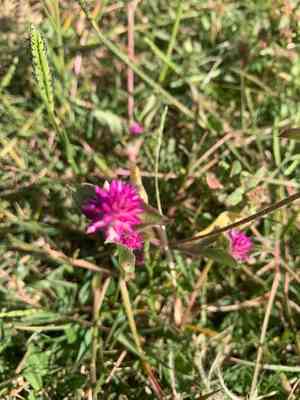
Distinguished by its erect form and vivid blossoms, pearly globe amaranth thrives with consistent trimming to preserve its structure and foster denser development. The ideal periods for trimming are in Spring, Summer, and Autumn, coinciding with its vigorous growth stages. Snip off faded blooms and elongated stalks, making cuts just above leaf junctions to stimulate fresh development. Trimming aids in improving air movement, lowering the chance of illness, and encouraging more abundant flowering. Always employ sanitized, keen implements to guarantee accurate incisions and lessen plant strain.
What Are the Benefits of Pruning Pearly Globe Amaranth?
What Are the Benefits of Pruning Pearly Globe Amaranth?
Pearly globe amaranth thrives with trimming to encourage robust growth and maintain its form, enhancing air circulation and lowering disease susceptibility. Trimming also promotes denser foliage and more abundant blooms, ensuring a healthier, more attractive specimen.
What Is the Best Time for Pruning Pearly Globe Amaranth?
What Is the Best Time for Pruning Pearly Globe Amaranth?
Trimming pearly globe amaranth in the Spring helps eliminate any winter damage and stimulates vigorous new growth as the plant enters its main growing period. Pruning in the Summer aids in preserving the plant's shape and encourages more prolific flowering by removing spent blossoms and fostering new ones. Pruning in the Fall prepares pearly globe amaranth for the colder months, removing any dead or diseased parts, which can help the plant conserve energy and nutrients.
What Tools Do I Need to Prune Pearly Globe Amaranth?
Bypass Pruners
Perfect for making precise cuts on living stems and branches, crucial for maintaining the health and appearance of pearly globe amaranth.
Hand Pruners
Effective for detailed cuts on smaller stems and faded flowers, vital for encouraging more blooms and routine plant upkeep.
Pruning Shears
Designed for cutting larger stems and shaping the plant if it becomes overgrown, helping maintain pearly globe amaranth's compact form.
Snips
Useful for removing spent flowers, promoting continuous blooming and overall plant vitality.
Gloves
Protect hands from potential irritation or injury while handling the plant during pruning.
How to Prune Pearly Globe Amaranth
Assessment
Inspect pearly globe amaranth for any wilted leaves or damaged sections before beginning the trimming process.
Sterilization
Sanitize your pruning shears with a solution of one part bleach to nine parts water to prevent the spread of diseases.
Identification
Locate the withered leaves on pearly globe amaranth that require removal. These are leaves that are brown, dry, or damaged.
Cutting
Cut the withered leaves back to the stem's base, making the cut just above the node using clean and sharp pruning shears.
Disposal
Properly discard the withered leaves to prevent diseases from spreading to other plants.
Common Pruning Mistakes with Pearly Globe Amaranth
Over-pruning
Removing too much foliage at once can stress pearly globe amaranth, reducing its ability to photosynthesize effectively and hampering overall growth.
Incorrect cutting technique
Using dull or unclean tools can harm the plant tissue, leading to infections or slow recovery.
Pruning at the wrong time in wrong conditions
Trimming during extreme weather conditions, such as intense heat or rain, can stress pearly globe amaranth and reduce its resilience.
Common Pruning Tips for Pearly Globe Amaranth
Use sharp, clean tools
Always ensure your pruning shears or scissors are sharp and sanitized to make clean cuts and avoid spreading diseases.
Prune lightly and regularly
Instead of one heavy pruning session, opt for light and regular pruning to maintain pearly globe amaranth's shape and encourage bushier growth.
Focus on dead or diseased branches
Remove any dead or diseased branches first to prevent the spread of disease and help the plant conserve energy for healthy growth.
Make angled cuts
When pruning, make cuts at a 45-degree angle away from the bud or node, which helps in rapid healing and directs water away from the cut surface.



