How to Prune Fowl Mannagrass?
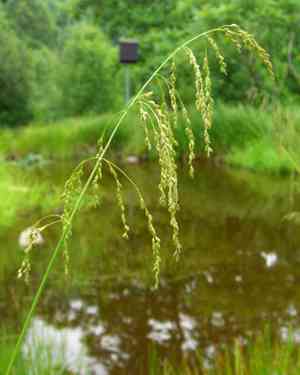
This enduring grass, recognized for thriving in damp, boggy environments, generally needs infrequent trimming to preserve its vigor and appearance. For fowl Mannagrass, trimming should be carried out in early spring or during winter to eliminate deceased or injured leaves and to control its dimensions. Utilizing sanitized, keen implements is crucial for making accurate cuts that foster vigorous new development. Trimming can additionally deter the proliferation of ailments and stimulate more substantial plant growth. Refrain from severe pruning, as this can cause stress to fowl Mannagrass.
What Are the Benefits of Pruning Fowl Mannagrass?
What Are the Benefits of Pruning Fowl Mannagrass?
Trimming fowl Mannagrass encourages robust development and maintains its desired shape. By eliminating dead or overgrown stems, fowl Mannagrass can allocate resources more effectively, leading to healthier, denser foliage and an improved plant structure.
What Is the Best Time for Pruning Fowl Mannagrass?
What Is the Best Time for Pruning Fowl Mannagrass?
Pruning or trimming fowl Mannagrass in early spring is optimal as it precedes the start of the new growth period. This timing allows gardeners to shape the plant and remove any dead or damaged foliage without hindering the upcoming growth spurt. Additionally, early spring pruning minimizes stress on fowl Mannagrass and permits wounds to heal before the plant's peak growing season. Winter pruning is also suitable for fowl Mannagrass, especially when the plant is dormant. This dormant phase means less energy is directed towards sustaining foliage and more towards healing, making it a good time for significant pruning. However, care should be taken to avoid pruning when the plant is wet or during a hard freeze to prevent disease and damage to fowl Mannagrass.
What Tools Do I Need to Prune Fowl Mannagrass?
Hand Pruners
Perfect for precisely removing dead or damaged leaves and stems on fowl Mannagrass. This ensures accuracy without causing undue stress to the rest of the plant.
Grass Shears
Suitable for trimming and shaping fowl Mannagrass since this species forms clumps of grass-like foliage. Grass shears will allow a gardener to easily cut back foliage, particularly at the end of the growing season.
Long-Handled Loppers
Helpful if fowl Mannagrass grows exceptionally tall or dense and requires cutting through larger stems that are out of reach or difficult to manage with hand pruners.
How to Prune Fowl Mannagrass
Identify diseased or withered leaves
Examine fowl Mannagrass carefully to locate leaves showing signs of disease, such as discoloration or spots, as well as leaves that are wilted or dead.
Disinfect tools
Before starting the pruning process, ensure to sanitize the pruning shears or scissors to prevent spreading pathogens to healthy parts of fowl Mannagrass.
Cut diseased leaves
Using the sanitized tools, cut diseased leaves from fowl Mannagrass at their base where they meet the stem, making sure not to tear or harm the stem.
Trim withered leaves
Similarly, trim off any withered leaves from fowl Mannagrass at their attachment point to the stem to promote better airflow and light penetration for the remaining healthy leaves.
Cleanup
Gather all removed leaves and dispose of them far from fowl Mannagrass to prevent any potential spread of disease back to the plant or nearby vegetation.
Common Pruning Mistakes with Fowl Mannagrass
Over-pruning
Removing too much foliage from fowl Mannagrass can weaken the plant, leading to poor growth or increased vulnerability to disease.
Cutting at wrong angle
Pruning fowl Mannagrass with cuts made at incorrect angles may prevent water from properly draining, potentially causing rot or disease.
Improper tool use
Using dull or dirty pruning tools on fowl Mannagrass can lead to jagged cuts that are more susceptible to infection, and can damage the plant.
Pruning too close
Cutting fowl Mannagrass too near the main stem or crown can affect the plantâs ability to heal and create potential entry points for disease.
Neglecting to prune
Failing to prune fowl Mannagrass can result in overcrowding and poor air circulation, making the plant more prone to pests and diseases.
Common Pruning Tips for Fowl Mannagrass
Clean tools
Always use sterilized, sharp pruning shears or scissors to make clean cuts on fowl Mannagrass, which helps in preventing the spread of disease.
Angle cuts
Cutting fowl Mannagrass's stems at a 45-degree angle will ensure proper water runoff and reduce the risk of disease.
Prune damaged parts
Regularly prune away dead or damaged foliage from fowl Mannagrass to promote healthy growth and to prevent disease from spreading.
Thin selectively
Thin out fowl Mannagrass's crowded areas to enhance air circulation, which can reduce the risk of fungal diseases.
Cut to node
When pruning fowl Mannagrass, cut just above a leaf node or branching point to encourage new growth in the desired direction.



