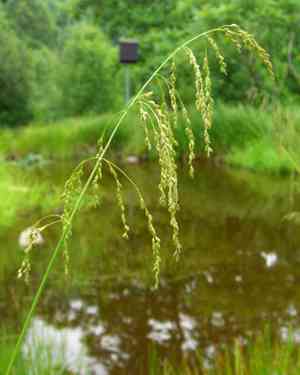
Fowl Mannagrass (Glyceria striata)
Also known as: Ridged Glyceria
Known as Fowl Mannagrass, Glyceria striata is a bunchgrass native to North America. It thrives in wet habitats and provides excellent forage for horses and cattle.
In This Article
Attributes of Fowl Mannagrass
Lifespan
Perennial
Plant Type
Grass
Plant Height
30 cm to 1.2 m
Spread
15 cm
Leaf Color
Green Blue
Flower Size
7 cm to 28 cm
Flower Color
White Yellow Green Brown
Images of Fowl Mannagrass
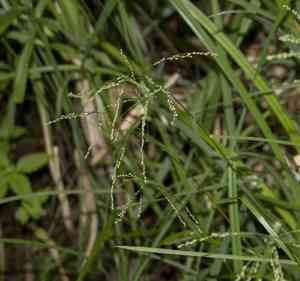
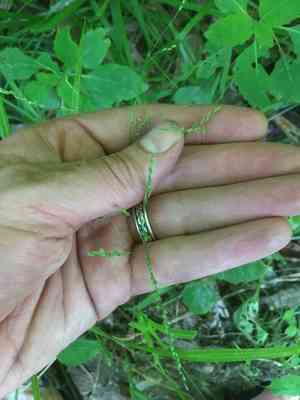
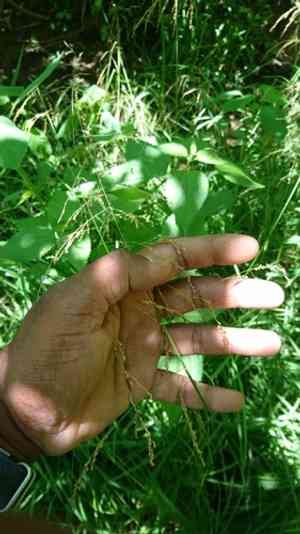
Quickly Identify Fowl Mannagrass
1
Glyceria striata can be identified by its long, narrow leaves and open, branched flower clusters (panicles). The leaves are smooth and glossy with a noticeable midrib, and the flower clusters are often slightly drooping.
Scientific Classification of Fowl Mannagrass
Phylum
Vascular plants
Class
Monocotyledons
Order
Poales
Family
Grass
Genus
Mannagrasses
Species
Fowl Mannagrass
Planting and Growing of Fowl Mannagrass
Care Difficulty
Easy
Watering Schedule
Every 4 days
Sunlight Requirements
Partial sun
Sunshine Duration
4-8 hours
Ideal Temperature
60-75℉
Soil Type
Potting Mix, Peat Mix
Soil pH
6.5-7.5
Fertilizer Type
Balanced
Pruning Season
Spring, Summer
Pruning Area
Branches, Leaves
Pruning Frequency
2 times a year
Repotting Season
Spring
Pot Type
Terracotta, Plastic
 How to Water Fowl Mannagrass?
Ensure the soil is consistently moist but not waterlogged. Water Glyceria striata with approximately 250 milliliters each time, aim to moisten the soil evenly. Use your finger to check soil moisture up to 2 inches deep; it should feel damp, like a wrung-out sponge, not too dry or overly wet.
What are the symptoms of an underwatered Fowl Mannagrass?
›
What should I do if my Fowl Mannagrass is not getting enough water?
›
What are the symptoms of an overwatered Fowl Mannagrass?
›
How to save an overwatered Fowl Mannagrass?
›
 What Are the Sunlight Requirements for Fowl Mannagrass?
Partial sun to full shade is best for Glyceria striata. This range offers optimal growth conditions, allowing steady development and contributing to healthy foliage without scorching.
More About Sunlight Requirements Techniques→
How much light does Glyceria striata need?
›
What are the best strategies to achieve ideal lighting?
›
What benefits occur with ideal lighting conditions?
›
 What Is the Ideal Temperature Range for Fowl Mannagrass?
The ideal temperature range for Glyceria striata, commonly known as Fowl Manna Grass, lies between 60°F and 75°F. This range provides the most conducive environment for growth, promoting optimal metabolic functions and maximizing photosynthesis. Consistent exposure to these temperatures ensures healthy root development and vigorous growth, contributing to the plant’s overall resilience.
 What Soil is Best for Fowl Mannagrass?
Glyceria striata thrives in soil that retains moisture well, as it is native to wetland areas. Ensuring consistent moisture helps the plant grow vigorously and maintain its lush appearance. The plant requires nutrient-rich soil to flourish, which supports its robust growth and vibrant foliage. Adding organic matter, such as compost, enhances the nutrient content and boosts plant health. While moisture retention is vital, the soil should also have good drainage to prevent waterlogging. Proper drainage avoids root rot, promoting healthier roots and overall plant vitality.
 How to Fertilize Fowl Mannagrass?
Glyceria striata generally prefers a low to moderate level of nutrients, so be cautious not to over-fertilize. When applying fertilizers, use a diluted solution, aiming for half the recommended concentration on most fertilizer packages. Too much fertilizer can lead to salt build-up, which can harm the root system.
 How to Prune Fowl Mannagrass?
Begin by identifying any dead or yellowed leaf tissue. Removing these parts encourages the plant to direct energy to new and healthier growth. Make cuts at the base of the old growth, where it meets healthy tissue, to ensure that new shoots can develop uninhibited. Avoid leaving stubs that can become disease entry points.
More About Pruning Techniques→
 How to Propagate Fowl Mannagrass plant?
1
Begin by filling seed trays with well-draining potting mix. Moisten the soil slightly to create a conducive environment for seed germination. Make sure the trays have drainage holes to prevent waterlogging, which can harm seeds.
2
Scatter the seeds of Glyceria striata evenly on the surface of the prepared soil in seed trays. Lightly press them into the soil and cover with a thin layer of soil. Keep soil consistently moist but not wet, as fluctuating moisture can disrupt germination.
3
Using a garden spade, carefully dig around the plant to lift a section of the Glyceria striata's roots. Divide the root clump into smaller sections ensuring each segment has adequate roots and shoots. Immediately replant the sections in a pre-prepared garden area or pot.
 How to Repot Fowl Mannagrass plant?
1
Glyceria striata shows signs for repotting when its roots begin circling the base of the pot or it appears root-bound. Furthermore, if water takes too long to drain or the growth seems stunted, it's time to repot. Spring and summer are ideal since the plant is actively growing, allowing it to quickly recover and establish itself in the new pot.
2
Select a pot that is one size larger than the current one, ideally made of breathable materials like terracotta that allow excess moisture to evaporate. This reduces the risk of root rot and provides ample room for new root growth. Ensure the pot has sufficient drainage holes to facilitate proper water outflow and prevent waterlogging.
3
Opt for a loamy, well-draining soil mix that retains the right amount of moisture without becoming waterlogged. A suitable soil mix will retain necessary nutrients and provide the ideal environment for Glyceria striata's roots to expand and strengthen. Incorporate organic matter to enhance nutrient availability and support plant health.



