The Fowl Mannagrass Plant Advantage: Maximizing Home and Office Appeal and Wellness
1
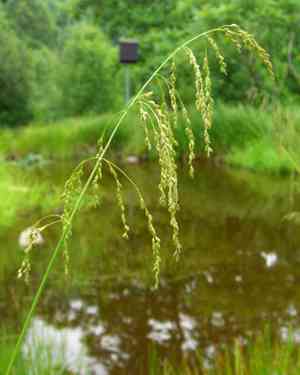
Fowl Mannagrass plays a crucial role in wetland environments, sustaining native plant and animal life.
2
This vegetation aids in preventing soil loss and enhancing water purity.
3
It provides a natural home for diverse aquatic and land-dwelling creatures.
How Does Fowl Mannagrass Aid Wetland Ecosystems?
Supporting Diverse Life
Fowl Mannagrass is recognized for fostering extensive biodiversity. Its dense structure provides a suitable environment for various insects, birds, and small mammals. The plant's root systems offer a stable setting for aquatic organisms, promoting a balanced and varied ecosystem.
Soil Stabilization
The extensive root networks of Fowl Mannagrass are highly effective at securing soil. This helps prevent erosion, especially in wetland regions susceptible to inundation. By anchoring the soil, Fowl Mannagrass reduces sediment runoff and helps preserve the integrity of wetland landscapes.
How Does Fowl Mannagrass Enhance Water Quality?
Natural Filtration
A key characteristic of Fowl Mannagrass is its capacity for natural water purification. The plant captures sediments and absorbs excess nutrients, such as nitrogen and phosphorus, thereby lowering pollutant levels in the water. This natural filtering process is vital for sustaining healthy aquatic ecosystems.
Reduction of Algal Blooms
By absorbing nutrients that would otherwise fuel algal blooms, Fowl Mannagrass helps prevent these detrimental occurrences. Algal blooms can deplete oxygen in water bodies, creating dead zones harmful to aquatic life. Thus, the presence of Fowl Mannagrass is instrumental in maintaining healthy water habitats.
Can Fowl Mannagrass Be Utilized in Land Management?
Habitat Restoration
Fowl Mannagrass is increasingly employed in habitat restoration projects due to its efficacy in improving soil quality and water retention. It offers crucial advantages for rehabilitating degraded wetland areas, providing a low-maintenance solution for land managers.
Flood Mitigation
Beyond its role in habitat restoration, Fowl Mannagrass is valuable for flood control. Its capacity to absorb large volumes of water makes it ideal for flood-prone areas. By absorbing and gradually releasing water, Fowl Mannagrass lessens the immediate impact of heavy rains, contributing to more manageable flood levels.
Why Is Fowl Mannagrass Important for Wildlife?
Natural Shelter
The thick growth of Fowl Mannagrass provides excellent natural cover for small terrestrial and aquatic species. Birds, amphibians, and insects find refuge in the dense foliage, making it a crucial component of a balanced ecosystem.
Food Source
Fowl Mannagrass serves as a significant food source for various wildlife. Both its seeds and leaves are consumed by different animals, supplying essential nutrients and energy for their survival. This makes Fowl Mannagrass a vital plant in sustaining the food web within wetland ecosystems.
How Can We Encourage the Growth of Fowl Mannagrass?
Ensuring Adequate Hydration
To foster the growth of Fowl Mannagrass, it is crucial to ensure the plant receives sufficient water. Proper hydration will lead to more robust growth, making the plant more effective in fulfilling its ecological functions.
Protecting Natural Habitats
Safeguarding existing wetlands and natural environments where Fowl Mannagrass thrives is essential. Conservation efforts should focus on preserving these areas to maintain ecological balance and allow Fowl Mannagrass to continue providing its environmental benefits.



