How to Prune African parrot gladiola?
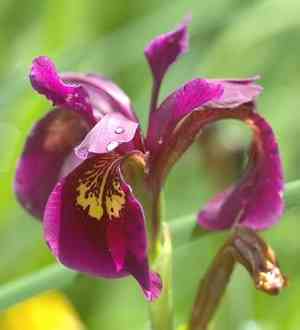
Distinguished by vibrant blossoms and blade-like foliage, african parrot gladiola thrives with proper pruning. Following summer flowering, snip off spent blooms and stems to stimulate further flowering. In autumn, trim back leaves once they turn yellow, signaling the start of dormancy. Spring cleaning entails clearing away deceased matter. Trimming aids african parrot gladiola by fostering robust development and warding off ailments. Sanitize implements to avert contamination. The precise timing of pruning optimizes flowering capacity and preserves plant well-being.
What Are the Benefits of Pruning African Parrot Gladiola?
What Are the Benefits of Pruning African Parrot Gladiola?
Trimming african parrot gladiola promotes larger, more vibrant flowers by directing energy towards bloom development. It also encourages robust growth, ensuring a strong plant. Regular cutting helps maintain a desired form, enhancing african parrot gladiola's visual appeal in garden settings.
What Is the Best Time for Pruning African Parrot Gladiola?
What Is the Best Time for Pruning African Parrot Gladiola?
Pruning african parrot gladiola from late spring to early summer is ideal as this period follows its flowering cycle, crucial for plant revitalization. African parrot gladiola finishes blooming in spring, so trimming during this time removes faded flowers and conserves the plant's energy, redirecting it to new, healthy tissue growth. It also helps maintain the plant's shape and encourages more blooms next season. Furthermore, this timing reduces the risk of disease and pest issues, which are more common if pruned in wetter, cooler seasons. Fall pruning is not advised for african parrot gladiola as it prepares for dormancy, and cutting it back then can deplete energy reserves needed for winter survival.
What Tools Do I Need to Prune African Parrot Gladiola?
Bypass Pruners
These are perfect for making clean, precise cuts on the green, soft stems of african parrot gladiola when thinning or removing spent flower spikes. The bypass blade design works like scissors, minimizing damage to plant tissues.
Sharp Scissors
For deadheading or trimming smaller, delicate areas, sharp scissors can be used to snip off dead or wilted flowers from african parrot gladiola. Their accuracy helps prevent unnecessary stress on small stem junctions.
Gardening Gloves
Wearing gloves is crucial when pruning african parrot gladiola to protect the gardenerâs hands from potential irritants or sharp edges. Gloves also provide a better grip on pruning tools.
How to Prune African Parrot Gladiola
Clean tools
Before beginning, ensure all pruning tools are clean and sharp. This prevents disease spread among plants and allows for clean cuts that african parrot gladiola can heal from more easily.
Remove diseased leaves
Identify and carefully remove any diseased leaves from african parrot gladiola using hand pruners or scissors. Be careful to minimize damage to healthy tissue and properly dispose of the diseased material.
Trim withered leaves
Cut back any withered or yellowing leaves at their base where they connect to the main plant. Removing these leaves from african parrot gladiola helps redirect energy to healthy growth and improves air circulation.
Deadhead flowers
Deadhead spent flowers by cutting the stalk just above the next healthy leaf or bud. This encourages african parrot gladiola to focus its energy on producing more blooms or preparing for dormancy.
Clean up
After pruning, clear all trimmings from around african parrot gladiola to reduce the chance of pests or disease. This also keeps the growing area tidy and allows for better observation of plant health.
Common Pruning Mistakes with African Parrot Gladiola
Overpruning
Removing too much foliage or too many corms can significantly weaken african parrot gladiola, as it relies on its leaves to photosynthesize and gather nutrients.
Pruning too early
Cutting back african parrot gladiola's foliage before it has yellowed and died back naturally can deprive the corm of the necessary energy for the next growing season.
Improper tool use
Using dull or dirty pruning tools can damage african parrot gladiola's tissues, leading to poor healing and increased susceptibility to diseases.
Neglecting to remove spent flowers
Failing to deadhead, or remove spent flowers, can result in african parrot gladiola wasting energy on seed production rather than storing it for future growth and blooming.
Common Pruning Tips for African Parrot Gladiola
Clean and sharp tools
Ensure tools are clean and sharp to make precise cuts, which will prevent damage to african parrot gladiola and reduce disease risk.
Deadheading
Regularly remove spent blooms by cutting the flower stalk just above the next lower bud to encourage african parrot gladiola to produce more flowers and focus its energy on growth.
Leaves preservation
Allow the foliage of african parrot gladiola to die back naturally as it feeds the corms for the next season. Only prune leaves when they turn yellow or brown.
Dividing corms
Gently dig up and separate corms every few years to avoid overcrowding, which can improve air circulation and reduce disease risk while stimulating rejuvenated growth.



