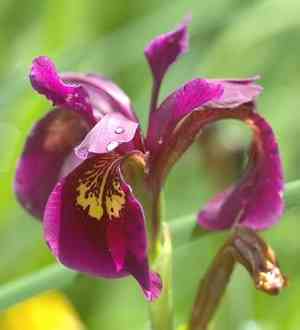
African parrot gladiola (Gladiolus dalenii)
Also known as: Maid-of-the-mist, Dalens gladiolus
Bird of Paradise (Strelitzia reginae) is a tropical perennial native to South Africa. It thrives in well-drained soil and sunny locations, making it a popular choice for gardens. This ornamental plant is widely used for its unique, vibrant orange and blue flowers, which are excellent for floral arrangements. Additionally, it can grow in both dry and moist conditions and is appreciated for its striking appearance.
In This Article
Attributes of African parrot gladiola
Lifespan
Perennial
Plant Type
Herb
Plant Height
61 cm to 91 cm
Spread
60 cm to 90 cm
Leaf Color
Green
Flower Size
91 cm
Flower Color
Yellow Orange Red White Pink
Images of African parrot gladiola
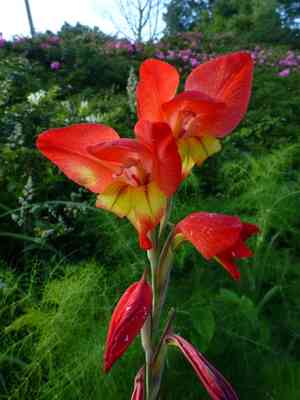
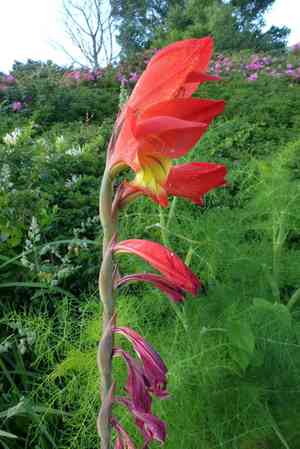
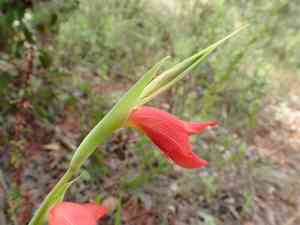
Quickly Identify African parrot gladiola
1
Robust corm structure
2
Long strap-shaped leaves up to 2 feet (60 cm)
3
Towering inflorescences around 3 feet (90 cm) tall
4
Distinctive orange petals with yellow throats resembling 'candy corn'
5
Thrives in full sun, needs well-drained soil, summer irrigation
Scientific Classification of African parrot gladiola
Phylum
Vascular plants
Class
Monocotyledons
Order
Asparagales
Family
Iris
Genus
Gladioli
Species
African parrot gladiola
Planting and Growing of African parrot gladiola
Care Difficulty
Easy
Watering Schedule
Every 3 days
Sunlight Requirements
Full sun
Sunshine Duration
6-10 hours
Ideal Temperature
60-75℉
Soil Type
Potting Mix, Peat Mix
Soil pH
6.5-7.5
Fertilizer Type
Balanced
Pruning Season
Spring, Summer
Pruning Area
Branches, Leaves
Pruning Frequency
2 times a year
Repotting Season
Spring
Pot Type
Plastic, Ceramic
 How to Water African parrot gladiola?
Gladiolus dalenii prefers consistent moisture, so each watering should be around 300 ml. The soil needs to be evenly moist but not waterlogged, ensuring it's wet a few inches down into the ground.
What are the symptoms of an underwatered African parrot gladiola?
›
What should I do if my African parrot gladiola is not getting enough water?
›
What are the symptoms of an overwatered African parrot gladiola?
›
How to save an overwatered African parrot gladiola?
›
 What Are the Sunlight Requirements for African parrot gladiola?
Gladiolus dalenii thrives best in a light range of partial to full sun, receiving 6 to 8 hours of sunlight daily. Ideal lighting maximizes its flowering capacity while ensuring robust physiological growth and disease resistance.
More About Sunlight Requirements Techniques→
Why is full sun ideal for Gladiolus dalenii?
›
How can I ensure Gladiolus dalenii receives optimal lighting?
›
What are the benefits of providing optimal sun exposure to Gladiolus dalenii?
›
 What Is the Ideal Temperature Range for African parrot gladiola?
Gladiolus dalenii thrives best in moderate temperatures, ideally between 60°F and 75°F. This range allows for optimal growth and development of flowers, ensuring they reach their full potential without stress. The temperature within this range supports efficient photosynthesis and metabolic activities, contributing to the overall health of the plant.
 What Soil is Best for African parrot gladiola?
Gladiolus dalenii thrives in well-draining soil which prevents waterlogging. This is critical as well-drained soils enable the roots to stay healthier, allowing for optimal nutrient uptake and preventing root rot. Rich, loamy soil promotes healthy growth in Gladiolus dalenii by providing essential nutrients. An ample supply of organic matter enriches the soil, fostering robust flowering and vigorous plant development. Maintaining balanced moisture levels in the soil ensures that Gladiolus dalenii receives sufficient hydration without causing excess dampness. Consistent moisture supports steady growth and vibrant blooms.
 How to Fertilize African parrot gladiola?
Gladiolus dalenii requires moderate amounts of fertilizer. When using liquid fertilizers, dilute them to half the recommended strength to avoid root burn. For slow-release granular fertilizers, apply 50g per plant annually to provide nutrients throughout the growing season.
 How to Prune African parrot gladiola?
Begin by sterilizing your pruning shears to prevent disease transmission. During spring, focus on removing any dead or damaged leaves and cut back spent flower stems to base level, this invigorates the plant for new growth and flowering. In autumn, cut back the entire plant to about an inch above the ground after it dies back naturally. This preparation helps the plant rest in winter and come back robustly in spring.
More About Pruning Techniques→
 How to Propagate African parrot gladiola plant?
1
Start by selecting healthy seeds or corms. If using seeds, soak them in water for 24 hours to encourage germination. For corms, inspect and clean them thoroughly.
2
Plant seeds or corms in rich, well-draining soil. Seeds should be sown at a shallow depth of one inch, while corms should be 4-6 inches deep.
3
Water the planting area gently but thoroughly after sowing. Maintain moisture consistency and apply a balanced fertilizer once seedlings appear or roots are established.
 How to Repot African parrot gladiola plant?
1
Gladiolus dalenii should be repotted when you notice signs of overcrowding or roots emerging from drainage holes. Late spring or early autumn is the best time to provide optimal growth conditions without stressing the plant too much.
2
Select a pot that is at least 2 inches larger in diameter than the current one. Ensure it has adequate drainage holes. A slightly larger pot prevents root rot and provides enough space for healthy root development, ensuring long-term growth.
3
Opt for a well-draining, sandy loam soil mix to replicate its native habitat. This type of soil retains enough moisture for nutrient uptake while preventing waterlogging that can lead to root rot.
Learn More About African parrot gladiola Diseases
Anthracnose
Bacterial Leaf Spot
Bacterial Soft Rot
Bacterial Wilt
Crown Gall
Cyst Nematode
Damping-off
Downy Mildew
Drought Stress
Fusarium Wilt
Gray Mold
Leaf Spot
Mosaic
Nutrient Deficiency
Nutrient Toxicity
Powdery Mildew
Root Rot
Root-knot Nematode
Rusts
Sooty Mold
Spider Mites
Temperature Stress
Thrips Damage
White Mold



