How to Prune Oregon geranium?
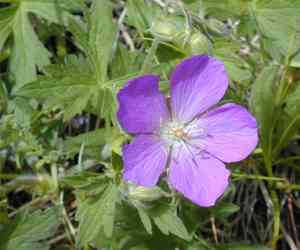
The Oregon geranium, recognized for its impressive, vibrant blossoms and deeply divided foliage, thrives with consistent trimming to preserve its form and vitality. The most effective periods for pruning are early spring or late winter, which guarantees vigorous new development. Eliminate faded blooms and lifeless stalks to improve air movement and stimulate further flowering. Minor shaping can also deter excessive stem elongation. Routine pruning fosters a denser, more contained plant, resulting in heightened strength and a better aesthetic.
What Are the Benefits of Pruning Oregon Geranium?
What Are the Benefits of Pruning Oregon Geranium?
Trimming oregon geranium promotes robust development and helps maintain its form. It encourages healthier foliage, boosts flowering, prevents disease and pest issues, and keeps a neat appearance, ensuring ideal growth conditions.
What Is the Best Time for Pruning Oregon Geranium?
What Is the Best Time for Pruning Oregon Geranium?
Pruning or trimming oregon geranium in early spring and late winter is optimal because this timing aligns with oregon geranium's dormant period, allowing the plant to recover quickly before the growing season starts. During dormancy, the plant is less vulnerable to disease and pest infestation, ensuring healthier regrowth. Additionally, late winter and early spring pruning stimulates vigorous new shoots and abundant flowering, as oregon geranium prepares for its primary growth season.
What Tools Do I Need to Prune Oregon Geranium?
Bypass Pruners
Bypass pruners are perfect for oregon geranium as they create clean cuts without crushing the stems. This helps prevent damage and disease while preserving the plant's vitality.
Snips
Snips are excellent for precise trimming of smaller, delicate stems and deadheading flowers on oregon geranium. They allow for controlled and accurate cuts.
Pruning Shears
Pruning shears are useful for cutting thicker stems and can be employed for shaping oregon geranium. They provide the necessary strength to handle tougher parts of the plant.
Hand Saw
A small hand saw might be required for older, woody stems on oregon geranium. Ensure you use a clean, sharp blade to avoid tearing and causing harm to the plant.
How to Prune Oregon Geranium
Inspect
Examine oregon geranium thoroughly to identify diseased or withered leaves. Look for discoloration, spots, or overall deterioration.
Tools
Prepare and sterilize sharp pruning shears or scissors to prevent the spread of disease.
Diseased leaves
Carefully cut away any diseased leaves at the base, close to where the leaf attaches to the stem, ensuring not to damage the healthy parts of oregon geranium.
Withered leaves
Trim withered leaves by cutting them off at the base as well, ensuring clean cuts to reduce stress on the plant.
Cleanup
Collect and dispose of the removed leaves properly to prevent any potential spread of disease. Clean tools again after use.
Common Pruning Mistakes with Oregon Geranium
Wrong technique
Using dull tools or making jagged cuts can damage the stems and lead to infection or disease.
Over-pruning
Removing too much foliage at once can stress the plant, reducing its ability to photosynthesize and recover.
Improper disposal
Leaving pruned material around the base can create a breeding ground for pests and diseases.
Cutting too close
Cutting too close to the main stem can harm the plant and potentially stunt its growth.
Common Pruning Tips for Oregon Geranium
Use sharp tools
Always use sharp, clean pruners to make precise cuts and reduce the risk of disease.
Prune lightly
Trim back no more than one-third of the plant's overall growth in a single session to avoid stress.
Focus on health
Remove dead, damaged, or diseased stems first to encourage healthy growth.
Disinfect tools
Clean pruning tools with a disinfectant before and after use to prevent the spread of disease.
Cut at an angle
Make cuts at a 45-degree angle to facilitate optimal healing and reduce water collection on the cut surface.



