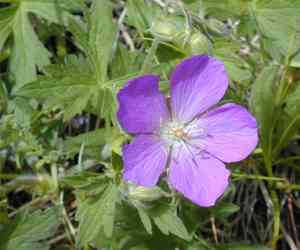
Oregon geranium (Geranium oreganum)
Also known as: Oregon Geranium
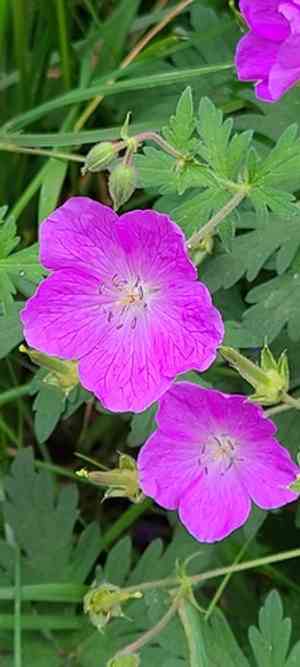
The Oregon geranium is a perennial plant admired for its rich green foliage and small, bright pink to purple flowers. It flourishes in the moist, shaded forests of the Pacific Northwest, where it can spread easily under partial sunlight. Its uniquely veined, lobed leaves provide a lush green backdrop that enhances its summer blossoms.
In This Article
Attributes of Oregon geranium
Lifespan
Perennial
Plant Type
Herb
Plant Height
46 cm to 76 cm
Spread
30-60 cm
Leaf Color
Green
Flower Size
2-3 cm
Flower Color
Purple-pink
Images of Oregon geranium
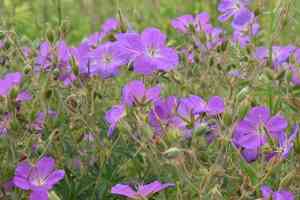
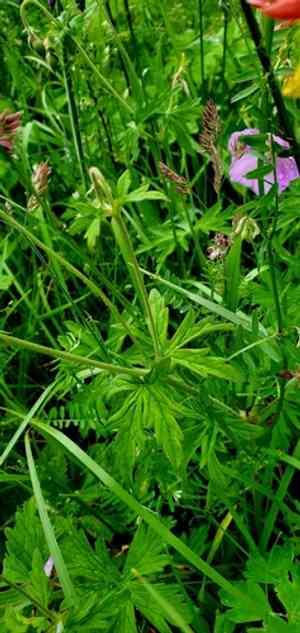
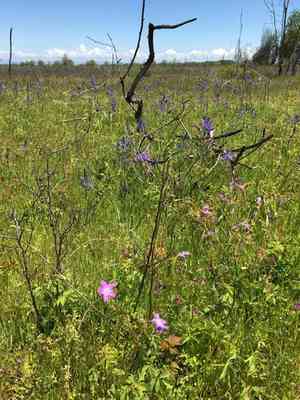
Quickly Identify Oregon geranium
1
To identify Geranium oreganum, look for its deeply lobed and toothed leaves, which are slightly hairy. The flowers are typically purple-pink with five petals, and appear in clusters. The plant has a generally sprawling habit.
Scientific Classification of Oregon geranium
Phylum
Vascular plants
Class
Dicotyledons
Order
Geraniales
Family
Geranium
Genus
Geraniums
Species
Oregon geranium
Planting and Growing of Oregon geranium
Care Difficulty
Easy
Watering Schedule
Every 2 days
Sunlight Requirements
Partial sun
Sunshine Duration
4-6 hours
Ideal Temperature
60-75℉
Soil Type
Potting Mix, Peat Mix
Soil pH
6.5-7.5
Fertilizer Type
Balanced
Pruning Season
Spring, Summer
Pruning Area
Branches, Leaves
Pruning Frequency
2 times a year
Repotting Season
Spring
Pot Type
Plastic, Ceramic
 How to Water Oregon geranium?
Geranium oreganum prefers soil that is evenly moist but never soggy. Water the plant until the top inch of soil feels moist to the touch, ensuring that excess water drains away to prevent root rot.
What are the symptoms of an underwatered Oregon geranium?
›
What should I do if my Oregon geranium is not getting enough water?
›
What are the symptoms of an overwatered Oregon geranium?
›
How to save an overwatered Oregon geranium?
›
 What Are the Sunlight Requirements for Oregon geranium?
Partial sun ensures Geranium oreganum receives sufficient light to thrive without overheating. This balanced lighting supports healthy foliage and consistent flowering, enhancing the plant's aesthetic appeal.
What is the best time for sunlight exposure?
›
How to provide optimal light conditions?
›
What benefits does optimal lighting provide?
›
 What Is the Ideal Temperature Range for Oregon geranium?
For Geranium oreganum, the ideal temperature range is between 60°F and 75°F. This is the optimal range for photosynthesis, growth, and overall health. Keeping the plant within this temperature band ensures maximum flowering potential, vibrant foliage, and reduces stress-related diseases.
 What Soil is Best for Oregon geranium?
Having well-draining soil is essential for Geranium oreganum to thrive, as it prevents waterlogging and root rot. The plant prefers soil that allows excess water to escape easily, promoting healthy root development and preventing common soil-borne diseases. While this plant doesn't demand overly rich soils, a moderately fertile loam ensures it receives sufficient nutrients. This balance is crucial for maintaining lush foliage and promoting an abundant bloom of flowers throughout the growing season. While drainage is important, the soil must also retain some moisture to keep the plant hydrated. Sandy loam strikes a good balance by holding adequate moisture while allowing excess water to drain, supporting the plant's growth needs.
 How to Fertilize Oregon geranium?
For Geranium oreganum, it's important to provide a balanced fertilizer solution, typically a 10-10-10 NPK formula. Mix 1 tablespoon per gallon of water for liquid fertilizers. For slow-release, follow the package instructions but generally aim for 1 teaspoon per square foot of soil.
 How to Prune Oregon geranium?
Start by identifying and removing any dead or damaged leaves and stems. This not only maintains a healthy appearance but also prevents the spread of disease. Use sterile scissors and cut at a 45-degree angle just above a node. Carefully trim the plant to maintain its desired shape. Focus on removing any overgrown or overlapping branches to ensure adequate airflow through the plant, which reduces the likelihood of disease and promotes even growth. Once the blooming season is over, cut back the stems that have flowered to promote new growth and future blooms. This can also help rejuvenate the plant by encouraging the emergence of new shoots.
More About Pruning Techniques→
 How to Propagate Oregon geranium plant?
1
Begin by filling a seed tray with a high-quality seed starting mix. Sow the seeds just beneath the surface, keeping them evenly spaced, and lightly mist with water to ensure they remain moist during germination.
2
Select healthy stems for cuttings, which should be around 4 to 6 inches long. Remove any leaves from the lower half, dip the cut end in rooting hormone, and plant them in a propagating mix.
3
Divide the plant by gently digging it up and separating the root clumps. Each section should have roots and shoots. Replant the divisions immediately in prepared soil, ensuring that the root crown is level with the soil surface.
 How to Repot Oregon geranium plant?
1
For Geranium oreganum, it's ideal to repot when the roots start peeking through drainage holes or when growth slows down significantly. Another sign is soil that dries out faster than usual, indicating root bounds. Early spring or autumn is typically the best period as the plant is coming out of or winding down its growing phase, making it less prone to shock.
2
When selecting a new pot for your Geranium oreganum, ensure it's one size larger than the current one to prevent overwatering. Terracotta pots are highly recommended as they allow air exchange and absorb excess water, which can help avoid root rot. A pot with ample drainage holes is crucial to allow excess water to escape, maintaining healthier roots.
3
Opt for a lightweight, well-draining potting mix to accommodate Geranium oreganum. Adding a bit of perlite or sand can enhance drainage. Rich organic matter will provide nutrients for healthier plant growth, and the well-aerated soil structure helps roots grow efficiently without being waterlogged.
Learn More About Oregon geranium Diseases
Anthracnose
Bacterial Leaf Spot
Bacterial Soft Rot
Bacterial Wilt
Black Spot
Chemical Injury
Crown Gall
Cyst Nematode
Damping-off
Downy Mildew
Drought Stress
Fusarium Wilt
Gray Mold
Leaf Curl
Leaf Spot
Mosaic
Nutrient Deficiency
Nutrient Toxicity
Powdery Mildew
Root Rot
Root-knot Nematode
Rusts
Sooty Mold
Spider Mites
Temperature Stress
Thrips Damage
White Mold



