How to Propagate Oregon geranium?
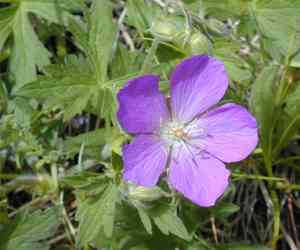
Geranium oreganum is a perennial herb distinguished by its intricate, deeply divided foliage and blossoms ranging from pink to lavender, flourishing in forested and elevated regions. For planting Oregon geranium, utilize a growing medium that drains effectively and ensure the seeds are thinly veiled with substrate. Preserve uniform dampness, yet prevent saturation. This species thrives optimally in conditions from partial shade to complete sunlight. Sufficient distance between plants is essential to prevent excessive density and foster robust development.
Optimal Period for Oregon Geranium Propagation
Propagation Method
Seeding
Propagation Season
Spring
Tools Required for Oregon Geranium Propagation
Seed Trays
Seed trays are vital for starting oregon geranium from seed. They offer a controlled setting for seed germination. Ensure trays have proper drainage to prevent water accumulation.
Seed Compost
Utilizing premium seed compost guarantees oregon geranium seeds receive essential nutrients and structure for ideal germination and development. It holds moisture while allowing good drainage.
Mist Sprayer
A mist sprayer helps keep the seed compost damp without excessive watering. This is critical for maintaining the delicate moisture balance needed for oregon geranium seeds to sprout.
Humidity Dome
A humidity dome placed over seed trays assists in maintaining consistent humidity levels, which is crucial for the successful sprouting of oregon geranium seeds.
Heating Mat
A heating mat provides warmth from below to the seed trays, encouraging quicker and more uniform germination of oregon geranium seeds by sustaining an ideal soil temperature.
Labels
Accurately labeling seed trays with the date and variety of oregon geranium seeds sown ensures correct identification and tracking, vital for monitoring progress and managing multiple seedling batches.
Fine Sieved Soil
Finely sieved soil is used to lightly cover oregon geranium seeds after planting, aiding in good seed-to-soil contact while allowing light to reach the seeds if required.
Watering Can with Fine Rose
A watering can with a fine rose ensures gentle irrigation, preventing soil displacement and harm to the delicate oregon geranium seedlings.
Propagation Light
A propagation light delivers sufficient light intensity and spectrum to support the healthy development of oregon geranium seedlings, especially during periods of low light.
How to Propagate Oregon Geranium?
Propagation Type
Simple
Caring for Your Newly Propagated Oregon Geranium
Caring for Your Newly Propagated Oregon Geranium
Once seedlings have developed several true leaves, they can be moved to individual pots or directly into the garden. Ensure young plants are in well-draining soil and watered regularly to keep it moist. Gradually introduce seedlings to full sun to partial shade. Mulch around the base to retain moisture and control weeds. Regularly check for pests and diseases, and fertilize monthly with a balanced feed during the growing season to encourage robust growth.
Common Errors to Avoid When Propagating Oregon Geranium
Overwatering
This leads to root decay, suffocating the roots and causing seedling demise.
Using untreated soil
Untreated, especially overly dense or compact soil can impede root development and cause poor drainage.
Insufficient light
Lack of adequate light results in weak, elongated seedlings which are less likely to flourish.
Incorrect temperature control
Improper temperature can either slow germination or expose seeds to lethal conditions.
Neglecting pest control
Pests can severely damage young plants, leading to propagation failure.
Tips For Propagating Oregon Geranium
Moderate watering
Ensure the soil is damp but not saturated, allowing roots to breathe and expand.
Use well-draining soil
Select a high-quality potting mix that supports aeration and drainage.
Provide adequate light
Place seedlings in an area with ample indirect sunlight to promote vigorous growth.
Maintain optimal temperature
Keep the propagation environment at a consistent, suitable temperature for seed germination and growth.
Regular pest monitoring
Inspect plants frequently and use organic or chemical pest control methods as necessary to protect young plants.



