How to Prune Alpine gentian?
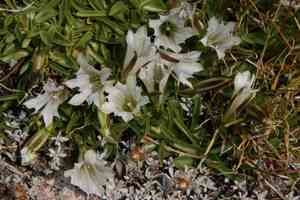
A unique flowering perennial, alpine gentian is recognized for its vivid blossoms situated on slender stalks. Trim alpine gentian mainly in early spring to stimulate fresh development or immediately following its summer flowering period to preserve its form and vitality. Removing faded flowers can also encourage additional blooms. Performing pruning during these designated times corresponds with the plant's developmental rhythm, maximizing its well-being and capacity to flower. Consistent trimming improves alpine gentian's aesthetic quality and prevents excessive growth, guaranteeing strong seasonal presentations.
What Are the Benefits of Pruning Alpine Gentian?
What Are the Benefits of Pruning Alpine Gentian?
Trimming alpine gentian promotes robust development and maintains its compact form, crucial in restricted garden areas or rock gardens. Regularly removing spent blooms can also stimulate fresh growth and extend its flowering duration.
What Is the Best Time for Pruning Alpine Gentian?
What Is the Best Time for Pruning Alpine Gentian?
Pruning or trimming alpine gentian during Spring and Summer is ideal due to its growth and flowering cycle. In Spring, alpine gentian is actively growing, making it a good time to shape the plant and encourage robust health before it enters its flowering phase. Trimming in early Summer, after the initial burst of growth but before flowering, can help maintain the plant's form and enhance its aesthetic appeal without risking damage to the developing buds that will bloom later in the season. These seasons are selected to ensure the plant has ample time to heal and grow stronger in the favorable conditions of late spring and summer.
What Tools Do I Need to Prune Alpine Gentian?
Pruning Shears
Perfect for making precise cuts on alpine gentian, enabling targeted removal of old flowers or damaged stems without harming the rest of the plant.
Gardening Gloves
Protects hands when pruning, since alpine gentian can be found in rocky alpine environments where handling might involve sharp rocks or edges.
Scissors
Useful for trimming delicate parts of alpine gentian and ideal for deadheading spent blooms to encourage further flowering.
How to Prune Alpine Gentian
Identify
Examine alpine gentian for any indications of disease or decay on its leaves and stems. Look for discolored, spotted, or visibly damaged tissues which suggest health issues.
Disinfect
Before starting the pruning process, disinfect your pruning shears or scissors. Use a solution of one part bleach to nine parts water to prevent the spread of disease between plants.
Prune leaves
Carefully remove any diseased or withered leaves from alpine gentian. Make clean cuts at the base of the leaf to avoid tearing the plant's tissue, which can cause further damage or disease entry.
Prune stems
If any stems of alpine gentian show signs of disease, prune them back to healthy tissue. Ensure the cut is made just above a leaf node or bud to promote healthy new growth.
Cleanup
After pruning, clean up all removed foliage and stems from around alpine gentian to discourage the presence of pests and disease. Dispose of the plant debris in a way that prevents recontamination.
Common Pruning Mistakes with Alpine Gentian
Overpruning
Removing too much growth in one session, which can significantly weaken alpine gentian.
Incorrect tools
Using blunt or unsanitized pruning tools, leading to jagged cuts that can expose alpine gentian to diseases.
Pruning flowering stems
Cutting off the flowering stems, which deprives alpine gentian of its bloom capabilities and disrupts natural growth.
Deep cuts
Making cuts too close to the main stem or root, potentially injuring the vital parts of alpine gentian.
Ignoring plant health
Pruning when alpine gentian is unhealthy, like during a disease outbreak or pest infestation, which can further stress the plant.
Common Pruning Tips for Alpine Gentian
Sanitized tools
Always use clean, sharp pruners to ensure clean cuts that heal quickly and reduce disease risk.
Gradual approach
Prune gradually, particularly if reshaping alpine gentian, allowing time for recovery between sessions.
Follow natural shape
Follow the natural shape and contour when making cuts to maintain alpine gentian's aesthetic and health.
Snip flowered stems
After blooming, gently snip off flowered stems to encourage new growth and additional blooming periods.
Protect main stem
Avoid cutting into the main stem and older wood unless absolutely necessary, focusing instead on younger, overreaching stems or dead material.



