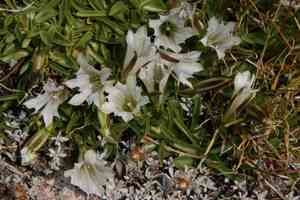
Alpine gentian (Gentiana newberryi)
Also known as: Newberry's Gentian, Alpine Gentian
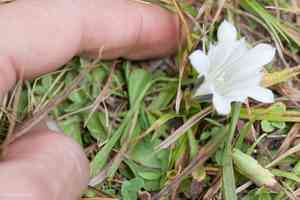
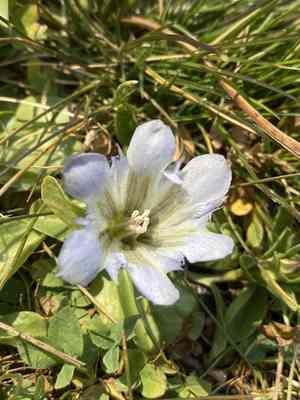
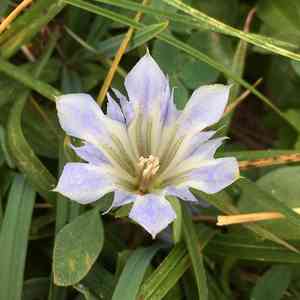
Gentiana newberryi is a compact perennial herb with low-lying or gently curving stems. Its leaves are lanceolate to spoon-shaped. The flowers, which can appear singly or in clusters of up to five, are trumpet-shaped and typically exhibit a vibrant blue or violet hue with distinct greenish veins. These features make it a notable presence in its native alpine and subalpine environments.
In This Article
Attributes of Alpine gentian
Lifespan
Perennial
Plant Type
Herb
Plant Height
5 to 15 centimeters
Spread
Not applicable - rosette-forming plant
Leaf Color
Green
Flower Size
2 to 3 centimeters
Flower Color
Blue-violet
Images of Alpine gentian
Quickly Identify Alpine gentian
1
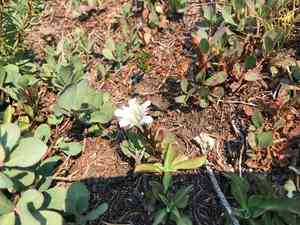
This plant can be identified by its rosette of basal leaves and single, showy, tubular blue-violet flowers that emerge from the center. The leaves are typically lanceolate to ovate, and the flowers have fringed edges.
Scientific Classification of Alpine gentian
Phylum
Vascular plants
Class
Dicotyledons
Order
Gentianales
Family
Gentian
Genus
Gentian
Species
Alpine gentian
Planting and Growing of Alpine gentian
Care Difficulty
Hard
Watering Schedule
Every 4 days
Sunlight Requirements
Full sun
Sunshine Duration
4-8 hours
Ideal Temperature
55-75℉
Soil Type
Potting Mix, Peat Mix
Soil pH
6.5-7.5
Fertilizer Type
Balanced
Pruning Season
Spring, Summer
Pruning Area
Branches, Leaves
Pruning Frequency
2 times a year
Repotting Season
Spring
Pot Type
Plastic, Ceramic
 How to Water Alpine gentian?
Gentiana newberryi prefers a moderate amount of water, as the soil should be kept moist but not soggy. This plant has a preference for well-drained soils with consistent moisture. When watering, aim to soak the root zone thoroughly with around 250 ml of water, allowing the soil surface to dry slightly between waterings. This ensures the roots receive adequate hydration while preventing waterlogging.
What are the symptoms of an underwatered Alpine gentian?
›
What should I do if my Alpine gentian is not getting enough water?
›
What are the symptoms of an overwatered Alpine gentian?
›
How to save an overwatered Alpine gentian?
›
 What Are the Sunlight Requirements for Alpine gentian?
Gentiana newberryi thrives in environments offering 4 to 8 hours of sunlight. Ideal lighting encourages more vibrant blooms, healthy foliage, and overall plant resilience, reducing vulnerability to environmental stressors and pests.
What is the best lighting environment for Gentiana newberryi?
›
How can we achieve the ideal lighting conditions for this plant?
›
What are the benefits of Gentiana newberryi receiving ideal light?
›
 What Is the Ideal Temperature Range for Alpine gentian?
Gentiana newberryi grows optimally between 55°F and 75°F. This temperature range allows for adequate metabolic processes, photosynthesis, and overall healthy growth. Ensuring the temperature remains within this range can prevent stress and support blooming.
 What Soil is Best for Alpine gentian?
Gentiana newberryi thrives in well-draining soils that prevent waterlogging, ensuring the roots receive oxygen while avoiding root rot. This is crucial for maintaining healthy growth and vibrant blooms. A soil enriched with organic matter supports optimal growth for Gentiana newberryi by providing essential nutrients, enhancing soil structure, and encouraging a robust root system. The soil should retain enough moisture to support the plant's needs, especially during dry spells, while not holding excess water, which could lead to detrimental conditions.
 How to Fertilize Alpine gentian?
Gentiana newberryi, commonly known as Newberry's gentian, requires careful fertilization to thrive. Ensure you apply small quantities, around 1/4 teaspoon per plant, especially if using a liquid feed. Too much fertilizer can harm the plant, stunting its growth.
 How to Prune Alpine gentian?
Begin by gathering sharp, clean pruning shears to avoid infections. Dull tools can cause ragged cuts, which are more susceptible to disease. First, remove any dead, damaged, or diseased stems. This will help redirect the plant's energy towards new growth and blooming. Trim back long or unwanted stalks to shape the plant, making sure not to cut more than a third to maintain its health and natural beauty. After completing the pruning, clean your tools with a mild disinfectant to prevent the spread of plant diseases.
More About Pruning Techniques→
 How to Propagate Alpine gentian plant?
1
Create a loose, well-draining soil mix by combining equal parts of peat moss, coarse sand, and perlite. This mixture provides the necessary aeration and drainage for gentiana newberryi propagation.
2
Sow seeds evenly on the surface of the prepared seed mix. Do not cover them with soil, as they require light for germination. Lightly mist the seeds to maintain moisture without displacing them.
3
Carefully dig up the mature plant in early spring. Gently separate the clumps ensuring each section has sufficient roots. Replant the divisions promptly at the same depth they were growing originally.
 How to Repot Alpine gentian plant?
1
Repot Gentiana newberryi when you notice its growth slowing down or roots poking through drainage holes, indicating that the plant is root-bound. Spring and early summer are optimal times for repotting as the plant is actively growing and can quickly establish roots in its new soil.
2
Select a pot with good drainage and one size larger than the current pot. A pot that is too large can lead to overwatering issues, while a snug pot prevents the plant from becoming overly root-bound too quickly, allowing it to flourish.
3
Opt for a well-draining gritty mix, which is ideal for preventing root rot. The mix should emulate the plant’s natural habitat, allowing air to circulate around its roots and providing just enough moisture without waterlogging, promoting healthy growth.
Learn More About Alpine gentian Diseases
Anthracnose
Bacterial Leaf Spot
Bacterial Soft Rot
Bacterial Wilt
Chemical Injury
Crown Gall
Cyst Nematode
Damping-off
Downy Mildew
Drought Stress
Fusarium Wilt
Gray Mold
Leaf Curl
Leaf Spot
Mosaic
Nutrient Deficiency
Nutrient Toxicity
Powdery Mildew
Root Rot
Root-knot Nematode
Rusts
Sooty Mold
Spider Mites
Temperature Stress
Thrips Damage
White Mold



