The Alpine gentian Plant Advantage: Maximizing Home and Office Appeal and Wellness
1
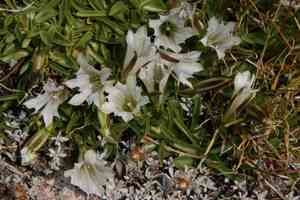
The alpine gentian flourishes in elevated regions, making it an ideal choice for rock gardens.
2
This plant yields stunning, blue-purple blossoms that draw in beneficial insects.
3
Historically, alpine gentian has been incorporated into traditional medicine due to its distinct characteristics.
Why is Alpine gentian Ideal for Mountainous Gardens?
Suitability for Elevated Regions
Alpine gentian is uniquely adapted to high-elevation environments. Its native range includes mountainous areas where it endures harsh weather. This resilience makes it a perfect plant for alpine gardens, bringing a touch of wildness to cultivated areas.
Minimal Upkeep Requirements
A key advantage of Alpine gentian is its low maintenance needs. This robust plant flourishes in rocky ground with little water, making it an excellent choice for gardeners seeking easy-care species. Its hardiness also means fewer concerns about pests and diseases.
How Does Alpine gentian Enhance Your Gardenâs Visual Appeal?
Vibrant Blue-Violet Blooms
A visually appealing characteristic of Alpine gentian is its striking blue-violet flowers. These blossoms not only add vivid color to your garden but also attract vital pollinators like bees and butterflies. The plant typically flowers from late spring to early summer, providing an extended burst of color.
Compact Growth Habit
Alpine gentian grows in a dense, low-lying form, making it an excellent ground cover. It can be used to fill spaces between rocks in a rock garden or to create colorful borders. Its thick growth pattern also helps suppress weeds, reducing the need for frequent weeding.
What Are the Traditional Applications of Alpine gentian?
Herbal Remedies
Historically, Alpine gentian has been used in various cultures for its perceived health benefits. While we avoid medical advice, it's noteworthy that globally, this plant has often been incorporated into natural remedies for its reputed properties. This historical use can spark conversations in any garden.
Eco-Conscious Gardening
Beyond its traditional uses, Alpine gentian contributes to environmentally friendly gardening practices. Its ability to thrive in less-than-ideal soil conditions reduces the need for chemical fertilizers and pesticides. Thus, integrating Alpine gentian into your garden can help create a more sustainable and eco-friendly space.
How to Cultivate Alpine gentian in Your Garden?
Optimal Soil Conditions
Alpine gentian prefers well-drained, rocky soil, similar to its natural alpine habitat. When planting, ensure the soil is not waterlogged to prevent root rot. Incorporating organic matter or sand into heavier soils can improve drainage.
Sunlight and Irrigation Needs
Alpine gentian thrives in areas with full to partial sunlight. Ideally, plant it where it can receive at least six hours of sunlight daily. Regarding watering, this plant is drought-tolerant and doesn't require frequent irrigation. However, during extended dry periods, occasional deep watering can help maintain its vigor.
How to Propagate Alpine gentian for Garden Expansion?
Seed Propagation
One of the simplest ways to propagate Alpine gentian is via seeds. Collect seeds from mature flowers and sow them in well-drained soil. Keep the seeds moist but not waterlogged, and place them in a sunny location. Germination may take several weeks, so patience is essential.
Division Method
Another effective propagation technique is by division. This involves separating a mature plant into smaller sections and replanting them. Ensure each section has an adequate root system to promote successful growth. This method can quickly increase the number of Alpine gentian plants in your garden.



