How to Prune Leafy broom?
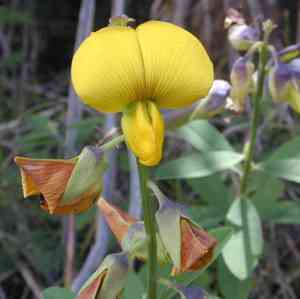
This enduring woody plant showcases delicate stems and brilliant yellow blossoms. To cultivate a lush broom, strategic trimming improves its structure and vitality. Each year, during its dormant winter phase, eliminate any lifeless or frail branches. Snip off faded blooms to stimulate fresh development. Refrain from severe cuts; instead, concentrate on preserving an airy, organic silhouette. Regular pruning guarantees robust development, encourages abundant flowering, and prevents an elongated appearance, thereby safeguarding the leafy broom's charm in horticultural settings.
Advantages of Trimming Leafy Broom
Advantages of Trimming Leafy Broom
Trimming leafy broom promotes robust development by reallocating energy to thriving areas. It assists in preserving the desired form, fostering an attractive structure.
Optimal Time for Trimming Leafy Broom
Optimal Time for Trimming Leafy Broom
Trimming leafy broom in late winter is perfect since the plant remains dormant, minimizing stress and the risk of fungal issues or pests exploiting fresh cuts. This timing also prevents the removal of new shoots produced in spring, ensuring the upcoming growing season's energy is directed towards new growth rather than healing pruning wounds. Furthermore, without foliage, the plant's structure is more visible, allowing for more accurate cuts. Pruning before spring growth also helps stimulate flowering as leafy broom typically blooms on new wood.
Required Tools for Trimming Leafy Broom
Hand Pruners
Perfect for making precise cuts on leafy broom, enabling gardeners to selectively shape the plant and remove dead or diseased branches. Hand pruners, also known as secateurs, come in two types: bypass, which create cleaner cuts and are better for live growth, and anvil, which can handle dead wood more effectively.
Loppers
These are suitable for cutting thicker stems or branches of leafy broom that hand pruners cannot manage. Loppers feature long handles that provide leverage and allow access to denser foliage without damaging surrounding branches.
Pruning Saw
An essential tool for cutting branches too thick for hand pruners and loppers. Pruning saws are available in various shapes and sizes, with either straight or curved blades, and are ideal for removing larger branches from leafy broom without tearing the bark.
Gloves
While not a pruning tool, gardening gloves are crucial as they shield hands from thorns and scratches during leafy broom pruning.
How to Trim Leafy Broom
Clean Tools
Before trimming leafy broom, sanitize your pruning tools to prevent disease transmission. Use alcohol or a bleach solution to wipe down the blades.
Remove Withered Leaves
Identify and remove any withered leaves from leafy broom to enhance air circulation and reduce potential pest habitats. Use your fingers or small pruning shears to gently pluck or snip them off.
Cut Dead Branches
Cut dead branches from leafy broom at their base where they meet healthy wood. This allows leafy broom to channel energy to viable growth. Make clean cuts with sharp pruning shears or a saw for thicker branches.
Prune Diseased Branches
Look for signs of disease in the branches of leafy broom such as discoloration or unusual growths. Prune these branches back to healthy tissue to prevent the disease from spreading. Ensure proper disposal of diseased material.
Thin Crown
Thin out the crown of leafy broom if necessary, by selectively removing some of the inner branches to improve light penetration and air flow within the canopy. Be careful not to over-prune; typically, removing more than a third of a plant's canopy at one time is not recommended.
Common Trimming Errors with Leafy Broom
Over-trimming
Removing too much growth at once risks harming leafy broom. It's crucial to trim no more than one-third of the plant at a time to avoid stressing it.
Incorrect Cut Placement
Making cuts too far from the buds can result in dead stubs, while cutting too close might damage the bud. Both can expose leafy broom to disease and pests.
Using Dull Tools
Dull trimming tools can cause jagged cuts that harm leafy broom, leading to improper healing and increased susceptibility to disease.
Trimming Healthy Growth
Removing healthy, vigorous branches instead of just the damaged or diseased ones can hinder leafy broom's growth and bloom potential.
Ignoring Plant Shape
Neglecting to maintain the natural shape of leafy broom can lead to an unsightly and unbalanced plant.
Uneven Trimming
Trimming one side more heavily than the other can cause leafy broom to grow unevenly, potentially affecting stability and aesthetic appeal.
General Trimming Advice for Leafy Broom
Sanitize Tools
Always use clean, sharp tools to make precise cuts and prevent the spread of disease to leafy broom.
Selective Trimming
Focus on cutting away dead, diseased, or overgrown branches to allow light and air to reach all parts of leafy broom, fostering healthy growth.
Trim To Outward Facing Buds
Cut above a bud that faces away from the center of leafy broom to encourage outward growth, which helps maintain an open structure.
Tapered Shape
Achieve a tapered shape by trimming more heavily at the top and less at the bottom, allowing sunlight to reach lower branches of leafy broom.
Follow Branch Angles
Respect the natural angles of branch growth, making cuts that complement leafy broom's inherent structure.
Monitor Growth
Regularly assess leafy broom for signs of excessive or problematic growth, and trim accordingly to maintain plant health and vigor.



