How to Prune Rankin's trumpet flower?
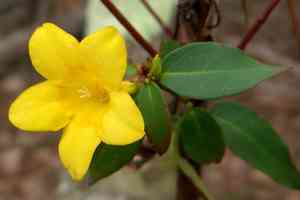
A sprawling shrub adorned with yellow blossoms, rankin's trumpet flower flourishes when trimmed in late winter or early spring, right before its growth period commences. Key pruning methods include cutting back aged wood to encourage fresh development and boost flowering. Consistent elimination of deceased or excessively long branches preserves the plant's vitality and look. Pruning not only sculpts the plant but also enhances air movement, lowering the likelihood of illness. Customizing cuts to uphold a natural form produces the most pleasing appearance and optimal health for rankin's trumpet flower.
What Are the Benefits of Pruning Rankin's Trumpet Flower?
What Are the Benefits of Pruning Rankin's Trumpet Flower?
Trimming rankin's trumpet flower encourages robust development and maintains its desired form. Regular cutting fosters denser foliage and manages its dimensions, making it suitable for both garden settings and container cultivation.
What Is the Best Time for Pruning Rankin's Trumpet Flower?
What Is the Best Time for Pruning Rankin's Trumpet Flower?
Pruning rankin's trumpet flower in late winter or early spring is optimal as this period coincides with the end of its dormant phase and just before new growth emerges. During this time, the risk to the plant's health is minimal since it hasn't yet allocated resources to new leaves or blooms. Trimming before new growth starts helps direct the plant's energy towards developing new, healthy shoots and flowering sites, supporting vigorous development and abundant blossoms in the upcoming growing season. This timing also allows gardeners to neatly shape the plant, remove any dead or diseased wood, and make precise cuts that stimulate growth in desired directions. Furthermore, the plant is less vulnerable to diseases at this point because cuts can heal more quickly without the presence of damp, warmer conditions that often encourage bacterial and fungal proliferation.
What Tools Do I Need to Prune Rankin's Trumpet Flower?
Hand Pruners (Secateurs)
Perfect for making clean cuts on the thinner, more delicate stems of rankin's trumpet flower. They offer precise control, vital for shaping and maintaining the plant's overall health.
Pruning Saw
Essential for cutting through thicker branches that hand pruners cannot manage. This tool helps control the size and shape of rankin's trumpet flower, especially if the plant has grown extensively without prior trimming.
Loppers
Useful for reaching deeper or higher branches that require greater leverage for cutting. Loppers are ideal for rankin's trumpet flower's potentially dense branches, allowing cuts in confined spaces without harming the plant.
How to Prune Rankin's Trumpet Flower
Identify
Thoroughly inspect rankin's trumpet flower to find diseased and withered leaves. Look for signs of discoloration, spots, or any parts that appear dried out or damaged.
Sanitize
Before beginning the pruning process, disinfect your pruning tools with a sanitizing solution to prevent the spread of diseases between plants.
Remove diseased
Carefully remove any diseased leaves by cutting them at the base where they connect to the stem. Use sharp, clean shears to make a precise cut, which aids in faster healing.
Remove withered
Similarly, trim all withered or dead leaves from rankin's trumpet flower by cutting them at their base. This not only tidies the plant but also helps direct its energy towards healthier growth.
Dispose
Properly discard the removed leaves. Do not compost diseased material as it may spread pathogens. Seal in a plastic bag and dispose with household waste to minimize infection risks.
Common Pruning Mistakes with Rankin's Trumpet Flower
Over-pruning
A common error is removing too much foliage at once, which can stress rankin's trumpet flower and result in weakened growth or reduced blooming. It's crucial not to remove more than one-third of the entire plant.
Improper cut locations
Cutting too close to a bud or leaving a large stub can harm rankin's trumpet flower. Both errors can lead to diseases or pest issues, as improper cuts do not heal correctly.
Using blunt tools
Using dull pruning shears or scissors can damage the stems of rankin's trumpet flower, leading to jagged cuts that heal poorly. This mistake makes the plant more vulnerable to diseases.
Common Pruning Tips for Rankin's Trumpet Flower
Selective cutting
Focus on removing only dead, diseased, or overgrown branches. This promotes improved air circulation and light penetration throughout rankin's trumpet flower, essential for healthy growth and optimal flowering.
Clean cuts
Make precise, angled cuts just above leaf nodes or branching points. This technique encourages quicker healing and prevents disease entry.
Tool hygiene
Always use sharp, clean pruning tools. Disinfecting tools before pruning rankin's trumpet flower can prevent the spread of disease from infected plants to healthy ones.



