How to Propagate Rankin's trumpet flower?
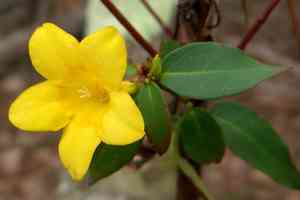
Rankin's trumpet flower flourishes when reproduced via stem segments. Choose vigorous, unblemished stem portions with precision and apply a rooting stimulant to foster root growth. Insert the cuttings into a porous, airy soil blend, guaranteeing steady hydration and warmth to aid in effective root formation. This technique allows for strong clonal multiplication, safeguarding the distinct traits of the original plant.
Optimal Time for Rankin's Trumpet Flower Propagation
Propagation Type
Cutting
Propagation Season
Spring,Summer
Essential Tools for Rankin's Trumpet Flower Propagation
Sharp Pruning Shears
Crucial for obtaining clean, precise cuttings from rankin's trumpet flower, sharp pruning shears minimize harm to the parent plant and boost cutting survival. A clean incision prevents infection and encourages rapid healing.
Rooting Hormone
This chemical compound stimulates root development in rankin's trumpet flower cuttings. It promotes faster rooting and helps establish a stronger root system, vital for the successful growth of new plants from cuttings.
Sterile Potting Mix
Employing a sterile potting mix ensures rankin's trumpet flower cuttings are placed in a pathogen-free environment, reducing fungal and bacterial infection risks. This medium also supplies necessary nutrients and aeration for root formation.
Humidity Dome
This device helps maintain high humidity levels around new rankin's trumpet flower cuttings, which is crucial to prevent them from drying out before roots form. Proper humidity optimizes the propagation environment, enhancing overall growth.
Heating Mat
For propagating rankin's trumpet flower, a heating mat can be utilized to maintain an ideal soil temperature, encouraging quicker root development. This is especially beneficial in cooler climates or during colder months when ground temperatures can hinder root growth.
How to Propagate Rankin's Trumpet Flower?
Propagation Type
Moderately Difficult
Caring for Your Newly Propagated Rankin's Trumpet Flower
Caring for Your Newly Propagated Rankin's Trumpet Flower?
Once roots are established, gradually introduce the rankin's trumpet flower to less humid conditions by removing the cover for increasing durations over a week. Transplant into a larger container or directly outdoors if the climate permits. Keep the soil consistently moist and provide partial to full sunlight. Shield rankin's trumpet flower from extreme temperatures and regularly inspect for pests and diseases.
Common Errors to Avoid When Propagating Rankin's Trumpet Flower
Improper Soil Conditions
Using overly dense or waterlogged soil can impede root growth and lead to poor air circulation, causing root rot and decreased propagation success.
Overwatering
Excessive irrigation can result in waterlogged soil, root rot, and fungal infections, significantly hindering the propagation process.
Underwatering
Insufficient moisture can cause the propagating plant to dehydrate and fail to develop new roots, leading to unsuccessful propagation.
Incorrect Cutting Techniques
Taking cuttings that are too small or improperly cut can heighten disease risk and reduce the likelihood of successful root formation.
Failure to Provide Adequate Light
Insufficient light can lead to weak, elongated growth and poor root development, delaying or preventing successful propagation.
Tips For Propagating Rankin's Trumpet Flower
Use Well-Draining Soil
Ensure the soil mixture is light and drains effectively, preventing waterlogging and fostering healthy root growth.
Maintain Moisture Balance
Keep the soil consistently damp but not saturated. Use a spray bottle to lightly mist the soil if it starts to dry out.
Use Healthy Cuttings
Select cuttings from robust, disease-free parent plants and make clean cuts using sterilized tools to prevent contamination.
Provide Adequate Light
Position the cuttings in a spot where they receive bright, indirect sunlight to encourage vigorous growth and rooting.
Monitor Temperature
Maintain a warm environment, ideally between 65°F and 75°F, to support optimal rooting conditions and accelerate the propagation process.



