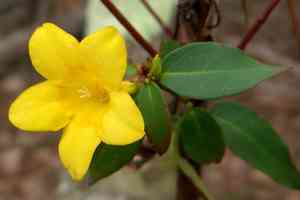
Rankin's trumpet flower (Gelsemium rankinii)
Also known as: Swamp jessamine
**Gelsemium rankinii** is a vine capable of climbing over other vegetation to heights exceeding 6 meters. It features glossy green leaves and clusters of striking yellow flowers.
In This Article
Attributes of Rankin's trumpet flower
Lifespan
Perennial
Plant Type
Vine
Plant Height
6 m
Spread
2.5 m
Leaf Color
Dark green
Flower Size
2.5 cm to 8 cm
Flower Color
Yellow
Images of Rankin's trumpet flower
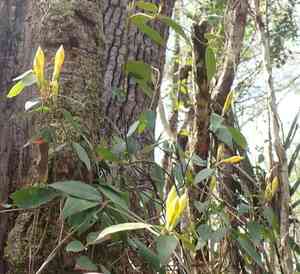
Quickly Identify Rankin's trumpet flower
1
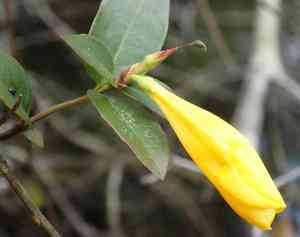
Woody, evergreen vine with simple, opposite leaves and smooth margins.
2
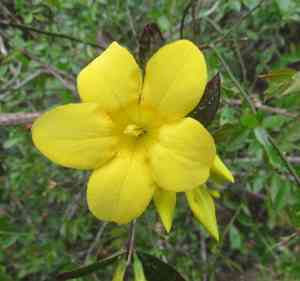
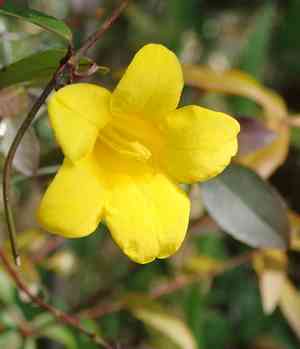
Bright yellow, funnel-shaped flowers with five lobes in spring and fall.
3
Distinctive slim, flattened capsules as fruit, ripening in September to October.
4
Waxy, lanceolate leaves measuring 3-5 inches (7.6-12.7 cm) with shiny, dark green upper surface.
5
Pinnate veins and entire margins on glossy leaves provide a unique appearance.
Scientific Classification of Rankin's trumpet flower
Phylum
Vascular plants
Class
Dicotyledons
Order
Gentianales
Family
Logania
Genus
Trumpetflower
Species
Rankin's trumpet flower
Planting and Growing of Rankin's trumpet flower
Care Difficulty
Easy
Watering Schedule
Every 3 days
Sunlight Requirements
Partial sun
Sunshine Duration
6-10 hours
Ideal Temperature
60-75℉
Soil Type
Potting Mix, Peat Mix
Soil pH
5.5-7.5
Fertilizer Type
Balanced
Pruning Season
Spring, Summer
Pruning Area
Branches, Leaves
Pruning Frequency
2 times a year
Repotting Season
Spring
Pot Type
Plastic, Ceramic
 How to Water Rankin's trumpet flower?
For Gelsemium rankinii, it is crucial to ensure that the soil remains moist but not waterlogged. Watering with about 500 ml each time should suffice, allowing the water to fully penetrate the soil while ensuring excess water drains away to prevent root rot.
What are the symptoms of an underwatered Rankin's trumpet flower?
›
What should I do if my Rankin's trumpet flower is not getting enough water?
›
What are the symptoms of an overwatered Rankin's trumpet flower?
›
How to save an overwatered Rankin's trumpet flower?
›
 What Are the Sunlight Requirements for Rankin's trumpet flower?
Partial sun suits Gelsemium rankinii best, supporting healthy photosynthesis without harsh exposure. Achieving this balance ensures lush growth and abundant flowering, enhancing the plant's overall health.
What is the best amount of sunlight for Gelsemium rankinii?
›
How can I ensure my Gelsemium rankinii gets optimal light exposure?
›
What are the benefits of Gelsemium rankinii receiving ideal light conditions?
›
 What Is the Ideal Temperature Range for Rankin's trumpet flower?
The ideal temperature range for Gelsemium rankinii is between 60°F and 75°F. This range ensures optimal growth and vibrant blooms, providing just enough warmth without causing stress to the plant.
 What Soil is Best for Rankin's trumpet flower?
The Gelsemium rankinii thrives in well-drained soil, which helps prevent root rot by allowing excess water to escape. This aids in maintaining healthy, vigorous growth by keeping the roots oxygenated. This plant benefits from a substrate rich in organic matter that supplies essential nutrients. The presence of adequate nutrients promotes lush foliage and vibrant flowering. Gelsemium rankinii prefers soil with moderate moisture levels. Consistent moisture without waterlogging helps sustain steady growth and prevents stress during dry periods.
 How to Fertilize Rankin's trumpet flower?
For Gelsemium rankinii, apply liquid fertilizer at half the recommended strength per the manufacturer's instructions. This plant enjoys a balanced supply of nutrients without overwhelming its root system. A small amount is generally better to avoid 'fertilizer burn.'
 How to Prune Rankin's trumpet flower?
Begin by identifying and removing any dead or diseased wood. This step is crucial as it prevents disease spread and encourages healthier new growth. Trim back excess growth to maintain the desired shape of the plant. Focus on cutting back long, unruly stems, which will encourage bushier and more attractive growth patterns. Thinning out dense areas allows for better air circulation, which reduces the chances of fungal diseases. Cut back overlapping branches to open up the plant's structure.
More About Pruning Techniques→
 How to Propagate Rankin's trumpet flower plant?
1
Begin by collecting mature seeds from the plant. Clean them thoroughly and allow them to dry before planting. This helps in removing any pulp that might hinder germination.
2
Select healthy, non-flowering stems for cuttings. Cut a 4-6 inch piece, remove lower leaves, and dip the cut end in rooting hormone to enhance root formation.
3
Gently remove the plant from its pot, shake off excess soil, and carefully divide the root ball. Each division should have a healthy set of roots and at least one stem.
 How to Repot Rankin's trumpet flower plant?
1
Repot Gelsemium rankinii when you notice its roots becoming pot-bound or emerging through drainage holes. Additional signs include slow growth or water retention issues. Spring is ideal when active growth resumes.
2
Select a pot that is 1-2 inches larger in diameter than the current one. Choose a pot with good drainage to prevent water-logging. This size ensures enough room for root expansion and healthier growth.
3
Use a well-draining loamy mix to ensure good aeration and moisture control. Loamy soil allows adequate water retention without becoming soggy, preventing root rot and promoting healthy plant development.
Toxicity
Ingestion
WARNING
The judgment on toxicity and danger is for reference only. We DO NOT GUARANTEE any accuracy of such judgment. Therefore, you SHALL NOT rely on such judgment. It is IMPORTANT TO SEEK PROFESSIONAL ADVICE in advance when necessary.
Learn More About Rankin's trumpet flower Diseases
Anthracnose
Bacterial Leaf Spot
Bacterial Soft Rot
Bacterial Wilt
Black Spot
Chemical Injury
Crown Gall
Cyst Nematode
Damping-off
Downy Mildew
Drought Stress
Fusarium Wilt
Gray Mold
Leaf Curl
Leaf Spot
Mosaic
Nutrient Deficiency
Nutrient Toxicity
Powdery Mildew
Root Rot
Root-knot Nematode
Rusts
Sooty Mold
Spider Mites
Temperature Stress
Thrips Damage
White Mold



