How to Prune Narrowleaf purple everlasting?
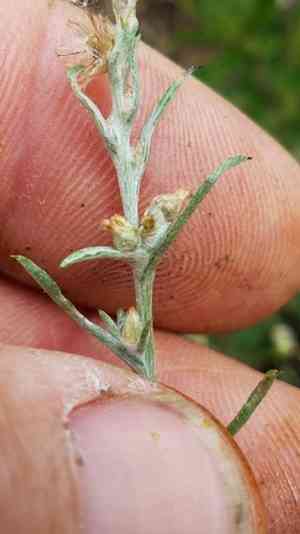
Narrowleaf purple everlasting is recognized by its slender foliage and violet blossoms, establishing it as a unique perennial. The most effective time for trimming is in the early spring or late winter. Eliminate any lifeless or ailing stalks, and reduce the density of older limbs to enhance air movement and stimulate fresh development. Refrain from severe cutting, which could harm the plant. Pruning not only preserves a tidy look but also fosters more vivid flowers and healthier leaves. Adhere to these recommendations to guarantee robust development and visual attractiveness.
Advantages of Trimming Narrowleaf Purple Everlasting
Advantages of Trimming Narrowleaf Purple Everlasting
Trimming narrowleaf purple everlasting encourages robust development, maintains its form, and manages its dimensions. It also enhances air movement, decreasing the likelihood of pests and illnesses. Consistent trimming improves the plant's overall look and vitality. Ensure to trim during its dormant period for optimal outcomes.
Optimal Time for Trimming Narrowleaf Purple Everlasting
Optimal Time for Trimming Narrowleaf Purple Everlasting
Narrowleaf purple everlasting should be trimmed in late winter or early spring before new shoots emerge. Trimming at this time revitalizes the plant, fostering healthier and stronger growth during the active season. These periods are ideal because narrowleaf purple everlasting is in a dormant or semi-dormant state, minimizing stress and disease risk. Additionally, it prepares the plant for more abundant blooms when the growing season commences, benefiting its health and appearance.
Necessary Tools for Trimming Narrowleaf Purple Everlasting
Bypass Pruners
Bypass pruners are perfect for making clean cuts on living stems and branches, crucial for maintaining narrowleaf purple everlasting's health. They offer precision and help prevent crushing plant tissues.
Pruning Snips
Pruning snips are excellent for detailed work on narrowleaf purple everlasting, allowing precise cuts on smaller, more delicate plant parts. This aids in shaping and removing dead or damaged stems with minimal harm.
Hand Shears
Hand shears are useful for quickly and efficiently trimming larger sections of narrowleaf purple everlasting. They enable the gardener to maintain the overall shape and manage the plantâs size effectively.
Gloves
Protective gloves are essential when handling narrowleaf purple everlasting to prevent skin irritation and ensure a better grip on tools, leading to safer trimming.
How to Trim Narrowleaf Purple Everlasting
Examination
Carefully inspect narrowleaf purple everlasting to identify diseased and withered foliage. Wear gloves to avoid any potential skin irritation from handling the plant.
Clean tools
Ensure your pruning shears or scissors are clean and sharp to make precise cuts and prevent disease transmission.
Remove diseased leaves
Gently snip off any leaves showing signs of illness. Cut close to the leaf base but avoid harming the main stems or other healthy parts of narrowleaf purple everlasting.
Remove withered leaves
Trim away dried out or dead leaves. Make clean cuts just above a healthy set of leaves or stems to encourage new growth.
Disposal
Properly dispose of the removed diseased and withered leaves. Do not compost these cuttings as they may harbor pathogens that could spread to other plants.
Common Trimming Errors with Narrowleaf Purple Everlasting
Incorrect technique
Using dull or unsuitable tools can result in jagged cuts that invite disease. Always use clean, sharp pruners for smooth, clean cuts.
Excessive trimming
Removing too much foliage can stress narrowleaf purple everlasting, hindering its ability to photosynthesize and causing stunted development. It is vital to trim only as much as necessary.
Trimming at wrong height
Cutting too close to the ground can harm the plant and impede regrowth. Itâs important to leave enough stem to support new growth.
Neglecting to remove dead or damaged parts
Failing to remove dead or damaged stems and leaves can create a haven for pests and diseases. Always check for and eliminate these parts during trimming.
Ignoring plant structure
Trimming without considering narrowleaf purple everlasting's natural form can lead to an unattractive shape and unbalanced growth. Trimming should enhance, not hinder, the plant's structure.
General Trimming Advice for Narrowleaf Purple Everlasting
Appropriate tools
Use sharp, clean pruners for precise cuts, which reduces disease risk and promotes faster healing.
Minimal trimming
Remove only what is essential to encourage healthy growth â typically dead or damaged stems, and occasionally thinning out crowded sections to improve air circulation.
Assess and maintain shape
Trim to maintain narrowleaf purple everlasting's natural shape, cutting just above a leaf node to prompt new growth in the desired direction.
Hygiene practices
Sanitize your tools between cuts, especially when moving between different plants, to prevent disease spread.
Monitor plant health
Regularly check narrowleaf purple everlasting for any signs of disease, pests, or stress, and trim accordingly to manage and mitigate these issues effectively.



