How to Propagate Narrowleaf purple everlasting?
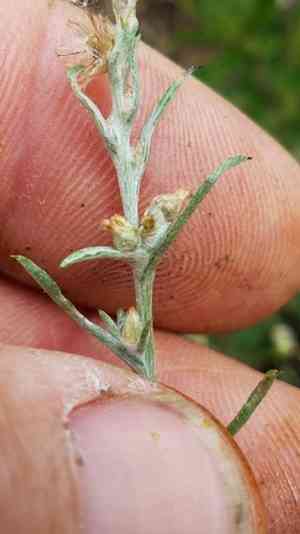
The plant known as Narrowleaf purple everlasting is characterized by its thin, extended foliage and thrives in substrates that drain effectively. For best propagation results, scatter seeds directly onto the top of a sterilized, damp cultivation substrate, leaving them uncovered, as light is essential for their sprouting. Guarantee steady hydration and moderate warmth to achieve successful germination. Once the young plants are robust enough to be handled, they can be relocated. Periodically inspect for any signs of infestations or illnesses to preserve the plant's well-being.
When Is the Optimal Time to Propagate Narrowleaf Purple Everlasting?
Propagation Method
Sowing
Propagation Period
Spring
What Equipment Is Used for Narrowleaf Purple Everlasting Propagation?
Seed Tray
Seed trays are vital for germinating narrowleaf purple everlasting seeds. They offer a contained space for germination, allowing easy management of soil moisture and temperature. These trays are particularly useful for ensuring consistent growth conditions.
Seed Starting Mix
A premium seed starting mix is essential for successful narrowleaf purple everlasting germination. These mixes are typically light, drain well, and are sterile to prevent disease, providing ideal conditions for seedling growth.
Humidity Dome
A humidity dome helps maintain damp conditions and steady humidity levels, which are crucial for narrowleaf purple everlasting germination. It prevents rapid soil drying and promotes uniform sprouting.
Spray Bottle
A spray bottle is useful for gently watering narrowleaf purple everlasting seeds without disturbing the soil or dislodging them. Fine misting helps maintain the correct moisture level, critical during germination.
Seedling Heat Mat
A seedling heat mat provides consistent warmth from below, which can boost the germination rate of narrowleaf purple everlasting seeds by maintaining optimal soil temperature, especially in cooler environments.
Labels and Markers
Labeling trays or pots is crucial for tracking different plantings. Using waterproof markers ensures labels remain legible, preventing confusion during the growth stages of narrowleaf purple everlasting.
Small Garden Trowel
A small garden trowel assists in transplanting narrowleaf purple everlasting seedlings once they are large enough. It allows for precise removal with minimal root disturbance, aiding in a healthy transition to larger pots or garden beds.
How to Propagate Narrowleaf Purple Everlasting?
Propagation Type
Easy
How to Care for Your Newly Propagated Narrowleaf Purple Everlasting?
How to Care for Your Newly Propagated Narrowleaf Purple Everlasting?
After transplanting, maintain consistent moisture levels without overwatering. Ensure plants receive several hours of indirect sunlight daily and shield young plants from harsh conditions. Mulching can help retain soil moisture and reduce weed competition. Regularly check for pests and diseases, and apply appropriate treatments if needed. Fertilize sparingly to avoid excessive growth that might reduce the plant's resilience.
Common Mistakes to Avoid When Propagating Narrowleaf Purple Everlasting
Overwatering
Excessive water can lead to root rot, suffocating the plant and encouraging fungal growth.
Improper Soil Choice
Using dense or poorly draining soil can impede root development and promote disease.
Lack of Sunlight
Insufficient light weakens the plant, making it susceptible to pests and disease.
Incorrect Spacing
Crowding plants can restrict airflow, increasing vulnerability to fungal infections.
Neglecting Post-Plant Care
Failing to monitor newly propagated plants can result in unnoticed pests or other issues.
Tips For Propagating Narrowleaf Purple Everlasting
Use Well-Draining Soil
Ensure the soil mix drains effectively to prevent waterlogging and promote healthy root growth.
Water Appropriately
Water plants moderately, ensuring the soil remains moist but not saturated.
Provide Sufficient Light
Narrowleaf purple everlasting thrives in bright, indirect sunlight. Ensure plants receive ample light without being scorched.
Maintain Proper Spacing
Allow adequate space between plants to improve air circulation and reduce the risk of disease.
Monitor and Protect
Regularly inspect plants for signs of pests or disease, and provide necessary treatments promptly.



