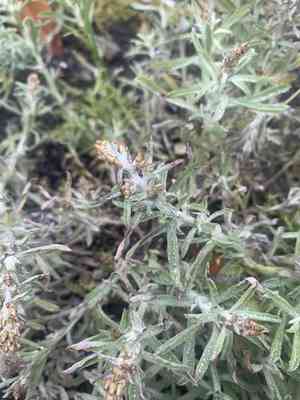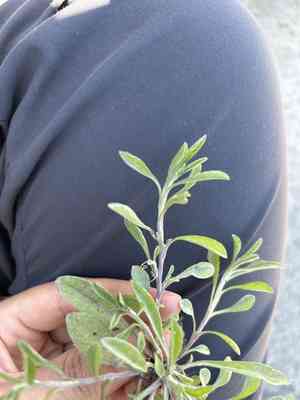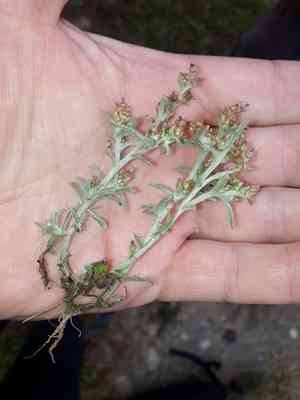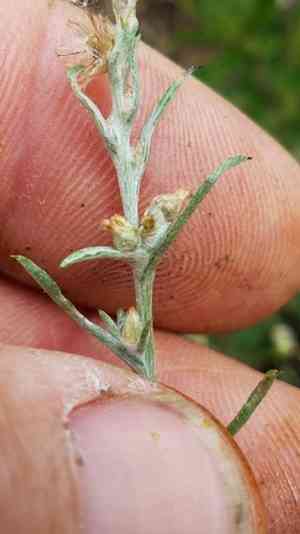
Narrowleaf purple everlasting(Gamochaeta calviceps)

Narrowleaf purple everlasting (Gamochaeta calviceps)

Also known as: None

Narrowleaf purple everlasting (*Vittadinia muelleri*), also known as narrowleaf ironweed, is notable for its slender, narrow leaves that often exhibit a subtle silvery hue. This hardy perennial forms a compact, clumping habit and showcases small, vibrant purple flowers primarily in the spring.

**Key Features**:

- **Growth Habit**: Forms low-growing, dense clumps.
- **Foliage**: Narrow, lance-shaped leaves with a soft, silvery sheen.
- **Flowers**: Small, purple blooms that appear prominently among the foliage.

**Optimal Growing Conditions**:

- **Soil**: Adapts well to various soil types, thriving particularly in well-drained soils.
- **Light**: Prefers full sun but can manage in partial shade.
- **Water**: Highly drought-tolerant once established, requiring minimal watering.
- **Climate**: Suitable for temperate to warm climates, with good frost resistance.

This plant is ideal for rock gardens, borders, and low-maintenance landscaping due to its resilience and minimal care requirements.

Attributes of Narrowleaf purple everlasting

Lifespan
Perennial
Plant Type
Herb
Plant Height
25-35 cm
Spread
Variable, typically insignificant
Leaf Color
Grayish-green
Flower Size
2-3 mm
Flower Color
Purple

ForwardPlant - Identify plants with a snap

Identify and diagnose plants, get toxicity alerts, and explore safety guides for all types of fungi.

Try for Free

Images of Narrowleaf purple everlasting
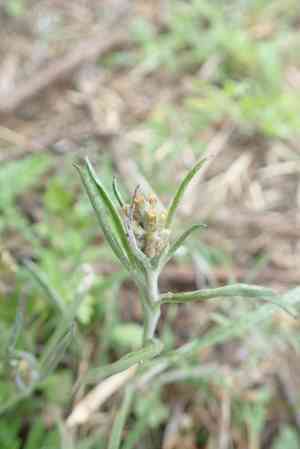
Narrowleaf purple everlasting(Gamochaeta calviceps)

Quickly Identify Narrowleaf purple everlasting

1
Identify Gamochaeta calviceps by its narrow, lanceolate leaves that are covered in tiny hairs, leading to a grayish-green appearance, and its small clusters of purple flowers.

Scientific Classification of Narrowleaf purple everlasting

Phylum
Vascular plants
Class
Dicotyledons
Order
Asterales
Family
Daisy
Genus
Everlastings
Species
Narrowleaf purple everlasting

Planting and Growing of Narrowleaf purple everlasting

Care Difficulty
Moderate
Watering Schedule
Every 2 days
Sunlight Requirements
Partial sun
Sunshine Duration
6-10 hours
Ideal Temperature
60-75℉
Soil Type
Potting Mix, Peat Mix
Soil pH
6.5-7.5
Fertilizer Type
Balanced
Pruning Season
Spring, Summer
Pruning Area
Branches, Leaves
Pruning Frequency
2 times a year
Repotting Season
Spring
Pot Type
Plastic, Terracotta

water icon How to Water Narrowleaf purple everlasting?

For Gamochaeta calviceps, ensure that you water the plant with approximately 200 ml during each session. It’s essential to moisten the soil deeply without flooding it. This ensures that the roots absorb ample moisture while preventing water-logged conditions that the plant dislikes.
What are the symptoms of an underwatered Narrowleaf purple everlasting?
What should I do if my Narrowleaf purple everlasting is not getting enough water?
What are the symptoms of an overwatered Narrowleaf purple everlasting?
How to save an overwatered Narrowleaf purple everlasting?

sunlight icon What Are the Sunlight Requirements for Narrowleaf purple everlasting?

Sunlight Requirements: Partial sun
Duration of light: 4-6 hours of sunlight
Gamochaeta calviceps thrives best in partial sun, where it can bask in morning light while staying protected during the intense afternoon. This condition promotes robust growth, proper flowering, and disease resistance.
What is the best light condition for Gamochaeta calviceps?
How can you achieve these ideal light conditions?
What are the benefits of providing the ideal light conditions for this plant?

temperature icon What Is the Ideal Temperature Range for Narrowleaf purple everlasting?

Ideal Temperature: 60 ~ 75℉
For optimal growth, Gamochaeta calviceps prefers a mild climate with temperatures ranging from 60°F to 75°F. This range supports healthy foliage and root development, ensuring the plant thrives without stress. Consistency within this temperature bracket is key to fostering a robust plant immune system and promoting vigorous flowering.

soil icon What Soil is Best for Narrowleaf purple everlasting?

Soil type: Loam, Sandy loam
Soil PH: 6.5 ~ 7.5
Gamochaeta calviceps thrives in well-draining soil that prevents water from pooling around the roots. This type of soil allows air to circulate, promoting root health and preventing rot, which is crucial for plant vitality. The plant prefers soil with moderate fertility, offering enough nutrients without being overly rich. This balance ensures healthy growth without encouraging excessive foliar development that might weaken the plant. Consistent moisture is beneficial, but the plant does not tolerate waterlogged conditions. Ensuring the soil retains moisture without becoming boggy helps maintain an environment conducive to steady growth.

fertilize icon How to Fertilize Narrowleaf purple everlasting?

Fertilizer type: Balanced
For Gamochaeta calviceps, it's crucial to provide an adequate but not excessive amount of nutrients. Use a balanced liquid fertilizer diluted to half of the recommended strength. For solid fertilizers, use about a tablespoon per application, distributed evenly across the plant's base. Ensuring proper fertilization protects the plant against nutrient deficiencies and promotes healthy growth.

prune icon How to Prune Narrowleaf purple everlasting?

Pruning Time: Spring, Summer, Autumn
Start by inspecting your Gamochaeta calviceps for any dead or damaged leaves, which should be removed first. Use clean, sharp scissors or pruning shears to make clean cuts, removing up to a third of the plant's height to encourage a fuller growth. Focus on cutting just above a leaf node to support bushier regrowth. When shaping Gamochaeta calviceps, aim to maintain a natural, balanced form. Trim back any branches that extend awkwardly to keep a uniform appearance. You can experiment with different shapes while ensuring not to cut the plant back too severely, allowing sufficient foliage to photosynthesize and support the plant's health. More About Pruning Techniques

propagate icon How to Propagate Narrowleaf purple everlasting plant?

Propagate Time: Spring, Early spring, Late spring
1
Collect seeds from mature Gamochaeta calviceps plants once they have fully developed. Ensure they are dry and free from any damage or signs of disease.
2
Fill seed trays with sterilized potting soil and scatter the seeds thinly over the surface. Cover them with a light layer of soil and water gently to provide moisture.
3
Place the seed trays in a warm, well-lit area away from direct sunlight. Maintain consistent moisture by misting the soil surface regularly until the seeds germinate.
More About Propagating Techniques

repot icon How to Repot Narrowleaf purple everlasting plant?

Repotting frequency: Once every 2 years
1
Repot Gamochaeta calviceps when you notice signs that the plant has outgrown its current pot. Look for roots emerging from drainage holes or soil that dries out quickly after watering. These cues indicate the plant requires more space to thrive.
2
Opt for a pot that's one to two inches larger in diameter than the current one. Ensure it has good drainage holes to prevent waterlogging, as this promotes healthy root growth and prevents rot. A breathable material like terracotta can help regulate soil moisture and air flow.
3
Go for a well-draining soil mix specific to Gamochaeta calviceps, often a cactus or succulent blend. This ensures proper aeration and moisture retention, which supports robust growth. The balance prevents water from pooling, reducing the risk of root rot and fostering an ideal growing environment.

ForwardPlant - Identify plants with a snap

Find the best spots for them to optimize their health, simply using your phone.

Try for Free