How to Prune Bluntleaf bedstraw?
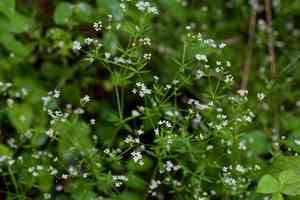
Galium obtusum, known for its dainty white blossoms and spear-shaped foliage, thrives with regular trimming to sustain its development and vitality. Essential methods involve excising withered or compromised stalks, reducing dense sections, and cutting back to foster more abundant growth. The most favorable periods for pruning are late winter or early spring, coinciding with the plant's inactive phase. Trimming stimulates prolific flowering and deters spindly growth, guaranteeing a more appealing and energetic presentation throughout the cultivation period.
What Are the Benefits of Pruning Bluntleaf Bedstraw?
What Are the Benefits of Pruning Bluntleaf Bedstraw?
Trimming bluntleaf bedstraw encourages robust development and helps maintain its form. Regular cutting eliminates dead or weak stalks, allowing healthier sections to flourish, manages size, improves appearance, and aids the plant in resisting pests and illnesses.
What Is the Best Time for Pruning Bluntleaf Bedstraw?
What Is the Best Time for Pruning Bluntleaf Bedstraw?
Pruning bluntleaf bedstraw in early spring or late winter capitalizes on the plant's dormant phase, reducing stress and fostering healthy, vigorous growth for the upcoming season. This timing is ideal as it precedes the active growth period, ensuring bluntleaf bedstraw recovers swiftly and lessens the chance of disease and pest invasion. Furthermore, pruning during these seasons assists in preserving the plant's shape and stimulates the production of new shoots, enhancing its overall health and visual appeal.
What Tools Do I Need to Prune Bluntleaf Bedstraw?
Hand Pruners
Hand pruners are perfect for bluntleaf bedstraw due to their accuracy, enabling precise trimming of small, slender stems without harming the plant.
Small Shears
Small shears are appropriate for cutting back larger sections of bluntleaf bedstraw, providing clean cuts that encourage healthy regrowth.
Hands and Fingers
Often, bluntleaf bedstraw can be trimmed by simply pinching or pulling off dead or unwanted stems, which can be sufficient for such delicate plants.
Sterilizing Solution
Utilizing a sterilizing solution to cleanse your tools before and after pruning helps prevent the spread of disease, which is vital for maintaining bluntleaf bedstraw's health.
How to Prune Bluntleaf Bedstraw
Inspect
Carefully examine bluntleaf bedstraw for any diseased or withered foliage. Note the location and extent of the affected areas.
Tool Prep
Select sanitized, sharp pruning shears or scissors to ensure clean cuts and prevent the spread of disease.
Remove Diseased
Cut away any diseased leaves by making clean cuts close to the base of the leaf stem. Dispose of these leaves properly to avoid contamination.
Remove Withered
Trim any withered leaves, again cutting close to the base of the leaf stem. Ensure you remove the entire withered part to promote healthy growth.
Sanitize
After pruning, sanitize your tools again to prevent any potential spread of disease to other plants.
Common Pruning Mistakes with Bluntleaf Bedstraw
Improper Technique
Using dull or unsuitable tools can harm the plant's stems and leaves, leaving it susceptible to diseases and pests.
Over-Pruning
Removing too much foliage at once can stress the plant, leading to poor growth and reduced flowering.
Pruning at the Wrong Nodes
Cutting above the incorrect nodes can impede regrowth and impact the shape and health of bluntleaf bedstraw.
Neglecting Sanitation
Using unclean tools can introduce infections to the plant. It's crucial to sterilize tools before use.
Common Pruning Tips for Bluntleaf Bedstraw
Use Sharp, Clean Tools
Always use sharp and sterilized scissors or pruners to make clean cuts that heal quickly.
Prune Selectively
Focus on removing dead, diseased, or damaged stems. Thin out crowded areas to allow for better air circulation and light penetration.
Cut Above Healthy Nodes
Make cuts just above healthy nodes to promote new growth and maintain the plant's natural shape.
Monitor Plant's Response
Pay attention to the plant's response to pruning and adjust your technique accordingly. If it shows signs of stress, reduce the frequency and amount of pruning.



