How to Propagate Bluntleaf bedstraw?
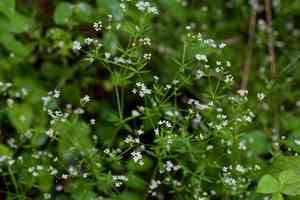
Effective propagation of bluntleaf bedstraw is achieved by seeding. For best germination results, utilize a growing medium that drains efficiently and maintain consistent moisture levels without waterlogging. Gently press the seeds onto the soil's surface, leaving them uncovered, as light is essential for their sprouting. Ensure a steady temperature and offer filtered sunlight during the initial phases of development. Persistence is crucial, as the young plants might require several weeks to appear.
When Is the Optimal Time to Propagate Bluntleaf Bedstraw?
Propagation Type
Seeding
Propagation Season
Spring
What Equipment Is Utilized in Bluntleaf Bedstraw Propagation?
Seed Trays
Seed trays are crucial for initiating seeds. They offer a controlled setting, ensuring consistent moisture and temperature, which are vital for bluntleaf bedstraw germination.
Seed Starting Mix
A premium, well-draining seed starting mix is essential for seed sowing. It provides the correct balance of nutrients and aeration required for bluntleaf bedstraw seeds to sprout and develop robust roots.
Heating Mat
Heating mats assist in maintaining an optimal and steady soil temperature. This is particularly advantageous for bluntleaf bedstraw, as consistent warmth can enhance germination rates and accelerate the process.
Humidity Dome
Humidity domes are employed to sustain a high humidity environment around recently sown seeds. This tool is critical for bluntleaf bedstraw as it prevents the seeds from drying out and helps them remain moist until they emerge.
Watering Can with Fine Rose
A watering can equipped with a fine rose attachment is used to irrigate delicate seedlings without dislodging them or causing soil erosion. This ensures that bluntleaf bedstraw seedlings stay undisturbed and healthy.
Labels
Proper labeling of seed trays aids in tracking the progress of bluntleaf bedstraw and prevents confusion with other species being propagated. This guarantees accurate monitoring and care throughout the growth cycle.
Fluorescent Grow Lights
If natural light is insufficient, fluorescent grow lights supply the necessary artificial illumination to support photosynthesis and healthy development of bluntleaf bedstraw during its initial stages.
Small Hand Trowel
A small hand trowel is utilized for transplanting seedlings from the seed tray into larger pots or directly into the garden. This tool helps minimize root disturbance and transplant shock for bluntleaf bedstraw.
How to Propagate Bluntleaf Bedstraw?
Propagation Type
Simple
How to Care for Your Newly Propagated Bluntleaf Bedstraw?
How to Care for Your Newly Propagated Bluntleaf Bedstraw?
Post-transplantation, continue to supply regular water to keep the soil consistently moist but not waterlogged. Bluntleaf bedstraw prefers shaded or partially shaded locations and thrives in well-drained, slightly acidic to neutral soil. Routine weeding around the seedlings will reduce competition for nutrients and water. Monitor for any indications of pests or disease and take appropriate measures as needed. Mulching can aid in retaining soil moisture and regulating temperature. As the plants mature, they might require light pruning to maintain their form and encourage denser growth.
Common Errors to Avoid When Propagating Bluntleaf Bedstraw
Overwatering
Excessive moisture can lead to root rot, which is detrimental to the plant's well-being and can impede successful propagation.
Improper Soil Selection
Utilizing heavy or poorly draining soil can suffocate the roots, hindering proper nutrient absorption and resulting in poor growth or plant demise.
Insufficient Light
Cultivating bluntleaf bedstraw in low-light conditions can result in weak, leggy plants that are less likely to flourish during propagation.
Incorrect Cutting Technique
Damaging the plant while taking cuttings can decrease the probability of successful rooting, as improperly cut stems might not heal correctly.
Advice For Propagating Bluntleaf Bedstraw
Use Well-Draining Soil
Ensure that the soil mixture is light and drains effectively to provide the roots with ample air and prevent waterlogging.
Moderate Watering
Keep the soil consistently moist but not saturated to prevent root rot, fostering healthy root development.
Bright, Indirect Light
Position the plant in an area with bright, indirect sunlight to promote robust and healthy growth without the risk of sunburn.
Clean Cutting Tools
Always use sharp, sterilized tools when taking cuttings to prevent disease and ensure clean cuts that heal rapidly.



