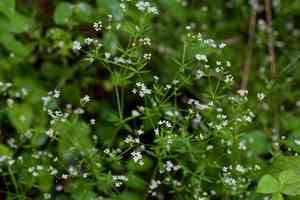
Bluntleaf bedstraw (Galium obtusum)
Also known as: Large marsh bedstraw
Bluntleaf bedstraw (Galium obtusum) is a resilient perennial suited for woodland environments. It features spreading stems that cover moist, shaded ground effectively. The plant's leaves usually appear in whorls of four and have broad, rounded tips. During the summer, it produces small, white, star-like flowers that blend harmoniously into its surroundings. Bluntleaf bedstraw's ability to form dense mats gives it a competitive edge, allowing it to dominate over less vigorous species in its natural habitat.
In This Article
Attributes of Bluntleaf bedstraw
Lifespan
Perennial
Plant Type
Herb
Plant Height
20 cm to 76 cm
Spread
N/A
Leaf Color
Green
Flower Size
2-3 mm
Flower Color
White
Images of Bluntleaf bedstraw
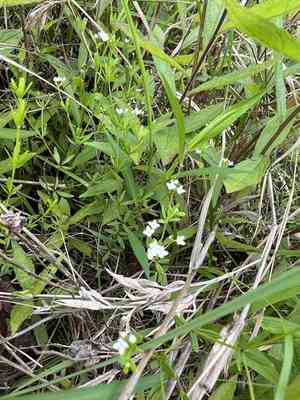
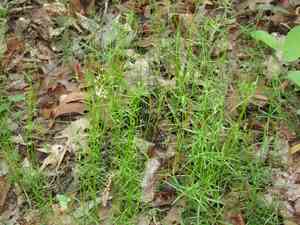
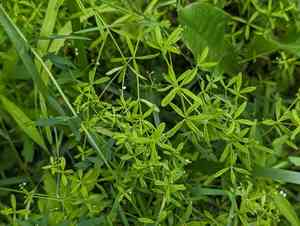
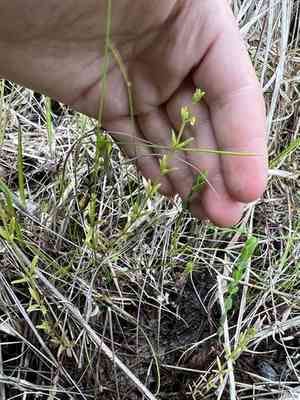
Quickly Identify Bluntleaf bedstraw
1
Identify this plant by its whorled leaves arrangement, with usually four leaves per node. The leaves are blunt-tipped and range from 1 to 3 cm in length. The small white flowers, arranged in loose clusters, appear from spring to summer.
Scientific Classification of Bluntleaf bedstraw
Phylum
Vascular plants
Class
Dicotyledons
Order
Gentianales
Family
Madder
Genus
Bedstraws
Species
Bluntleaf bedstraw
Planting and Growing of Bluntleaf bedstraw
Care Difficulty
Moderate
Watering Schedule
Every 4 days
Sunlight Requirements
Partial sun
Sunshine Duration
6-10 hours
Ideal Temperature
59-77℉
Soil Type
Potting Mix, Peat Mix
Soil pH
6.5-7.5
Fertilizer Type
Balanced
Pruning Season
Spring, Summer
Pruning Area
Branches, Leaves
Pruning Frequency
2 times a year
Repotting Season
Spring
Pot Type
Plastic, Ceramic
 How to Water Bluntleaf bedstraw?
The Galium obtusum prefers a moderate amount of water, meaning that the soil should be kept consistently moist but not soggy. Aim to water about 250 ml each time, ensuring the water thoroughly penetrates the soil without leaving standing water at the base.
What are the symptoms of an underwatered Bluntleaf bedstraw?
›
What should I do if my Bluntleaf bedstraw is not getting enough water?
›
What are the symptoms of an overwatered Bluntleaf bedstraw?
›
How to save an overwatered Bluntleaf bedstraw?
›
 What Are the Sunlight Requirements for Bluntleaf bedstraw?
Galium obtusum prefers partial sun to full shade, ideally receiving 3-5 hours of daily sunlight. Such conditions promote optimal growth and resilience, imbuing the plant with vibrant health.
What is the best lighting condition for Galium obtusum?
›
How can you achieve ideal sunlight for Galium obtusum?
›
What are the benefits of ideal lighting for Galium obtusum?
›
 What Is the Ideal Temperature Range for Bluntleaf bedstraw?
The ideal temperature range for cultivating Galium obtusum is between 59°F and 77°F. This range is optimal as it mimics the plant's natural environment, providing the warmth and stability needed for proper growth and development. Consistent temperatures within this range encourage robust photosynthesis, root development, and nutrient uptake.
 What Soil is Best for Bluntleaf bedstraw?
Galium obtusum thrives in well-drained soil that prevents waterlogging, ensuring the roots have access to both moisture and air. Well-drained conditions reduce root rot risk, promoting healthy growth. A moderately fertile soil provides sufficient nutrients without excess, promoting sustainable and balanced growth. This helps Galium obtusum develop a robust root system and lush foliage. While the soil should be well-drained, it should still retain enough moisture to support the plant without letting it dry out completely. Adequate moisture helps Galium obtusum maintain its growth and vibrancy throughout the growing season.
 How to Fertilize Bluntleaf bedstraw?
Galium obtusum, commonly known as Appalachian Bedstraw, requires a modest approach to fertilizer. Use a diluted liquid fertilizer with a ratio of 20-20-20 at a rate of one tablespoon per gallon of water. This should be sufficient to provide the necessary nutrients without overwhelming the plant.
 How to Prune Bluntleaf bedstraw?
Begin by examining the plant for any dead or damaged stems. Use your shears to cut these back to the base or healthy part of the stem, encouraging new growth. Trim back overgrown stems to maintain the preferred shape and size of your Galium obtusum. Make cuts just above a leaf node to encourage healthy new growth. After flowering, prune back spent blooms to prevent the plant from investing energy into seed production and encourage a second round of blooming.
More About Pruning Techniques→
 How to Propagate Bluntleaf bedstraw plant?
1
Collect seeds from mature Galium obtusum plants and let them dry completely. Plant them in seed trays with a light covering of soil. Ensure the soil is kept moist and place the trays in a warm, sunny area.
2
Dividing Galium obtusum involves carefully digging up the plant and separating it into smaller sections, each with roots attached. Using a sharp tool can help minimize damage to the roots and ensure successful replanting.
3
For root cutting, select healthy roots from a mature Galium obtusum. Cut the roots into sections of about 2 inches, and plant these sections horizontally in pots or garden beds, ensuring they are covered lightly with soil.
 How to Repot Bluntleaf bedstraw plant?
1
Galium obtusum should be repotted when the roots begin to outgrow the current pot, often visible when roots peek through drainage holes or the plant seems pot-bound. The best timing is early spring or autumn when the plant is not in its full growth stage, reducing stress on the roots and ensuring a smooth transition to a new pot.
2
When choosing a pot, ensure it has good drainage holes to prevent waterlogging, which can cause root rot. Select a pot that is one size larger than the current one to allow room for root expansion. Clay pots are a good choice as they provide better air circulation than plastic ones and help regulate moisture better.
3
Select a moist, well-drained loam for repotting. This type of soil offers balanced nutrients and retains sufficient moisture without becoming waterlogged. Avoid heavy soils that retain too much water, as they can lead to root health issues. Adding a bit of organic matter like compost can further enrich the nutrient content.



