How to Prune Maroon blanketflower?
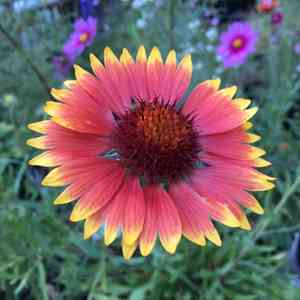
This lively perennial, recognized for its deep red blossoms, maroon blanketflower flourishes with consistent removal of faded flowers to stimulate further blooming. Essential pruning entails eliminating withered flowers and cutting back in late autumn once flowering concludes. Trim in spring to sculpt and foster robust development, with additional shaping in summer to preserve its appearance. Pruning during these periods encourages more robust, plentiful flowers, guaranteeing maroon blanketflower stays dense and hardy, with improved flowering the subsequent season.
What Are the Benefits of Pruning Maroon Blanketflower?
What Are the Benefits of Pruning Maroon Blanketflower?
Trimming maroon blanketflower fosters vigorous development and sustains an appealing shape. Regular cutting back prevents elongated growth, promotes denser leaves, and stimulates abundant flowering. Adjusting plant size and form through pruning ensures maroon blanketflower remains a striking garden feature.
What Is the Best Time for Pruning Maroon Blanketflower?
What Is the Best Time for Pruning Maroon Blanketflower?
Late spring is optimal for pruning maroon blanketflower as it allows for the removal of any winter damage and encourages robust new growth. Summer is suitable for shaping the plant, which can stimulate further blooming and enhance air circulation, helping prevent disease. Early fall is the last recommended period for pruning maroon blanketflower to remove faded flowers and prepare the plant for winter, while avoiding new growth that might be harmed by frost.
What Tools Do I Need to Prune Maroon Blanketflower?
Bypass Pruners
Perfect for making clean, precise cuts on maroon blanketflower's stems without causing unnecessary harm to the plant tissues.
Pruning Shears
Useful for deadheading maroon blanketflower to encourage more blooms and maintain a neat appearance.
Gardening Gloves
Protects hands from thorns or rough stem edges when pruning maroon blanketflower.
Long-Handled Loppers
Beneficial when reaching for taller specimens of maroon blanketflower or for cutting thicker stems that bypass pruners cannot handle.
How to Prune Maroon Blanketflower
Deadheading
Identify faded or spent flowers on maroon blanketflower and pinch them off at the base to encourage further blooming and prevent seed formation.
Cleaning
Locate any withered leaves on maroon blanketflower and carefully remove them by hand or with clean pruning shears, ensuring cuts are made close to the stem without harming healthy tissue.
Thinning
Examine the plant for crowded or overlapping stems and selectively prune these to maintain good air circulation and plant shape, which will reduce the risk of disease.
Shape Maintenance
Trim any irregular or excessively long stems of maroon blanketflower to maintain a neat, compact plant form and encourage dense growth, avoiding significant removal of healthy foliage.
Health Check
After pruning, inspect maroon blanketflower for any signs of pests or diseases in the cut areas and treat accordingly to promote a quick recovery and healthy development.
Common Pruning Mistakes with Maroon Blanketflower
Overpruning
Removing too much foliage or too many flowers can weaken maroon blanketflower and lead to poor blooming in the subsequent season.
Imprecise Cuts
Making jagged or torn cuts can introduce diseases and pests to maroon blanketflower. Clean, angled cuts are crucial for the plant's health.
Pruning Healthy Blooms
Cutting off healthy blooms reduces the ornamental value and can diminish the plant's vigor.
Ignoring Deadheads
Failing to remove spent blooms (deadheading) can lead to a decrease in flowering as the plant focuses energy on seed production instead of new blooms.
Pruning At Base
Cutting maroon blanketflower too close to the base can damage the crown and roots, negatively impacting the plant's ability to regrow.
Common Pruning Tips for Maroon Blanketflower
Clean Tools
Always use sterilized pruning tools to prevent the spread of disease and ensure a clean cut on maroon blanketflower.
Angled Cuts
Make angled cuts just above a leaf node or side shoot to encourage new growth and maintain the shape of maroon blanketflower.
Deadheading
Regularly remove spent flowers to encourage continuous blooming and prevent unwanted self-seeding of maroon blanketflower.
Thin Out Crowded Areas
Thin out crowded stems to improve air circulation, which helps prevent fungal diseases on maroon blanketflower.
Cut Back Foliage
After the blooming season, cut back the foliage to maintain a tidy appearance and remove any diseased or damaged material from maroon blanketflower.



