Enhancing Your Garden Design with the Maroon blanketflower Plant: A Landscaping Guide
1
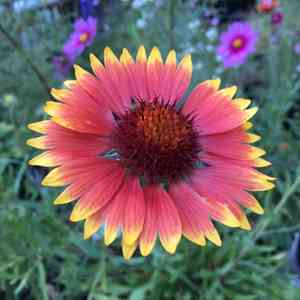
This particular blanketflower variety provides a distinct maroon hue, capable of enlivening any garden space.
2
Strategically positioning this maroon blanketflower can considerably elevate your property's exterior attractiveness.
3
Cultivating other plants alongside this maroon blanketflower can improve ecological diversity and your garden's general well-being.
Appreciating the Visual Appeal of Maroon Blanketflower
Emphasizing the Distinctive Hue
A key characteristic of Maroon blanketflower is its vivid maroon shade, which offers a striking contrast against garden foliage. This unique coloration can establish focal points in your outdoor space, drawing attention and adding depth to your garden layout. Whether aiming for a bold landscape or a subtle, unified garden theme, the maroon blanketflower can provide that ideal splash of color without being overwhelming.
Its Role in Garden Texture and Structure
Beyond its color, Maroon blanketflower significantly contributes to the texture and form within a garden setting. Its daisy-like blossoms offer a soft, rounded shape and a pleasant contrast to more spiky, architectural plants. This blend of textures can make your garden more visually engaging and dynamic. Furthermore, Maroon blanketflower has a somewhat bushy habit that can fill garden beds and borders, making them appear lush and well-maintained.
Year-Round Interest and Variation
A major benefit of integrating Maroon blanketflower into your landscape is its ability to provide seasonal appeal. Blooming from late spring through summer, this plant ensures your garden is full of color during peak gardening months. As seasons shift, these flowers can vary in their intensity, offering an evolving display that changes with the year. This dynamism keeps the garden engaging throughout and fosters anticipation for each new season.
Optimal Placement of Maroon Blanketflower in Your Landscape
Front Yard Considerations: Visibility and Aesthetic Appeal
When considering where to place Maroon blanketflower in your front yard, prominence is crucial. This plant's striking color and shape can greatly boost curb appeal, attracting the gaze of passersby and making your home stand out. Planting Maroon blanketflower along pathways, near your entrance, or in prominent flowerbeds can create inviting access points and leave a strong first impression. Just ensure the chosen location receives ample sunlight, as Maroon blanketflower thrives in bright conditions.
Backyard and Private Areas: Crafting a Personal Retreat
In your backyard, Maroon blanketflower can help create a tranquil and secluded haven. Consider using it in seating areas or around patios, where its vibrant blooms can brighten gatherings and provide a sense of comfort. Positioning Maroon blanketflower along lawn edges or nestled into garden beds near windows ensures you can enjoy its beauty both indoors and out. Additionally, Maroon blanketflower can attract pollinators, enhancing the vitality and activity of your private space.
Integrating Maroon Blanketflower into Themed Gardens
Whether you're cultivating a cottage garden, a modern minimalist garden, or a wildlife-friendly space, Maroon blanketflower can be a versatile addition. In cottage gardens, its maroon color complements the pastel shades of other traditional flowers. For a contemporary look, use Maroon blanketflower to provide a bold contrast against monochromatic schemes or minimalist designs. In wildlife gardens, Maroon blanketflower is a magnet for bees and butterflies, enriching the ecological value of your landscape.
Companion Planting with Maroon Blanketflower
Choosing Complementary Hues and Textures
Selecting suitable companions for Maroon blanketflower involves picking plants that will enhance its maroon color and distinct texture. Silver-foliaged plants, such as lavender or sage, can make the maroon blooms pop. Similarly, contrasting yellow flowers, like coreopsis, can create a vibrant and captivating color scheme. Pairing with grass-like plants adds vertical interest and helps in creating a balanced and harmonious garden layout.
Understanding Seasonal Growth Patterns for Cohesion
To maintain a unified and harmonious garden, it's essential to grasp the growth patterns of Maroon blanketflower and its potential companions. Since Maroon blanketflower primarily blooms in late spring and summer, pair it with early spring bloomers like daffodils or fall bloomers like asters to ensure there's always something flowering in your garden. This planning not only extends the visual appeal of your garden but also supports a diverse range of pollinators throughout the year.
Advantages of Biodiversity in Landscaping with Maroon Blanketflower
Incorporating a variety of plants, including Maroon blanketflower, helps foster biodiversity within your garden. Biodiversity is beneficial for creating resilient ecosystems that can better withstand pests, diseases, and changing environmental conditions. Maroon blanketflower attracts pollinators such as bees and butterflies, which are crucial for the health of many plants. Additionally, a biodiverse garden can provide habitat for beneficial insects and other wildlife, contributing to a balanced and thriving garden ecosystem.
Sustaining Maroon Blanketflower in Your Landscape for Longevity
Fundamental Tips for Enduring Health
Maintaining Maroon blanketflower long-term involves consistent watering, especially during dry periods, and ensuring it's planted in well-draining soil. Removing spent flowers encourages more blooms and extends the flowering season. Fertilizing with a balanced, slow-release fertilizer in early spring can support robust growth throughout the active period. Additionally, mulching around the base helps retain moisture and suppress weeds.
Addressing Common Issues with Maroon Blanketflower
While Maroon blanketflower is relatively low-maintenance, it can encounter challenges like fungal diseases or pests. To manage these, ensure the plant isn't overcrowded and has good air circulation. If fungal problems arise, use an appropriate fungicide and remove affected leaves. For pest issues, introducing beneficial insects like ladybugs or using organic insecticides can help keep the plant healthy. Regular inspection of your plants will enable early detection and resolution of problems.
Seasonal Adjustments for Peak Growth
Adapting care practices according to the season can help Maroon blanketflower flourish. In spring, focus on fertilizing and pruning any winter damage. During summer, maintain a regular watering schedule and mulch to conserve soil moisture. Fall is an opportune time for dividing and replanting if necessary, and adding compost to the soil can enhance fertility. In winter, protect the root zone with a layer of mulch if your region experiences harsh frosts, ensuring the plant recovers when warmer weather returns.



