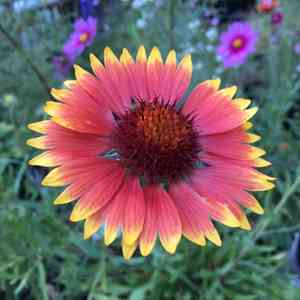
Maroon blanketflower (Gaillardia amblyodon)
Also known as: Red gaillardia, Blanket flower
The Purple Coneflower (Echinacea purpurea) is native to the central United States, featuring striking deep burgundy or purple blooms that draw in butterflies and bees. Native Americans traditionally utilized this plant for its medicinal benefits, including treating infections and wounds.
In This Article
Attributes of Maroon blanketflower
Lifespan
Annual
Plant Type
Herb
Plant Height
45 cm
Spread
1.2 m
Leaf Color
Green
Flower Size
5 cm
Flower Color
Yellow Red Orange
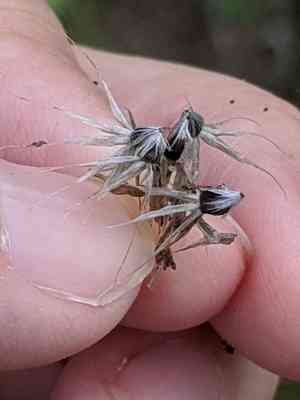
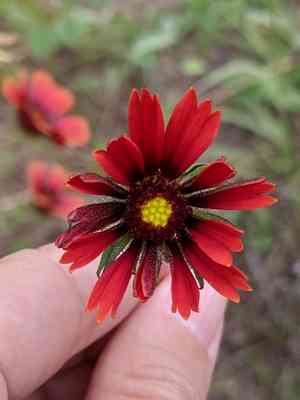
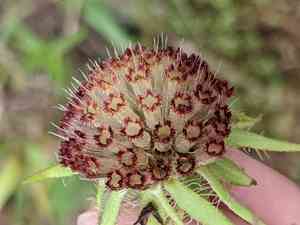
Images of Maroon blanketflower
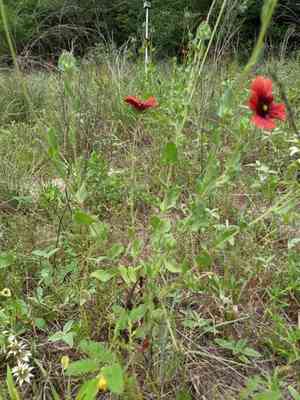
Quickly Identify Maroon blanketflower
1
Gaillardia amblyodon can be identified by its bright red or yellow daisy-like flowers, lance-shaped leaves, and its tendency to bloom profusely from late spring to early autumn.
Scientific Classification of Maroon blanketflower
Phylum
Vascular plants
Class
Dicotyledons
Order
Asterales
Family
Daisy
Genus
Blanket flowers
Species
Maroon blanketflower
Planting and Growing of Maroon blanketflower
Care Difficulty
Easy
Watering Schedule
Every 4 days
Sunlight Requirements
Full sun
Sunshine Duration
8-12 hours
Ideal Temperature
65-75℉
Soil Type
Potting Mix, Peat Mix
Soil pH
6.5-7.5
Fertilizer Type
Balanced
Pruning Season
Spring, Summer
Pruning Area
Branches, Leaves
Pruning Frequency
Once a year
Repotting Season
Spring
Pot Type
Plastic, Terracotta
 How to Water Maroon blanketflower?
When watering Gaillardia amblyodon, it's crucial to aim for deep and thorough soaking but allow the soil to dry in between waterings. Ensure that water reaches a depth of about 6 inches into the soil to promote strong root systems.
What are the symptoms of an underwatered Maroon blanketflower?
›
What should I do if my Maroon blanketflower is not getting enough water?
›
What are the symptoms of an overwatered Maroon blanketflower?
›
How to save an overwatered Maroon blanketflower?
›
 What Are the Sunlight Requirements for Maroon blanketflower?
Gaillardia amblyodon thrives in full sun with 6-8 hours of direct sunlight daily. This exposure facilitates optimal energy intake for vibrant blooms and sturdy plant structure.
More About Sunlight Requirements Techniques→
What is the best lighting condition for Gaillardia amblyodon?
›
How can I ensure Gaillardia amblyodon gets ideal lighting?
›
What are the benefits of providing ideal lighting for Gaillardia amblyodon?
›
 What Is the Ideal Temperature Range for Maroon blanketflower?
Gaillardia amblyodon thrives in an environment with daytime temperatures between 65°F and 75°F. This range is ideal for growth and flowering, providing optimal conditions for photosynthesis and nutrient uptake. Maintaining this temperature helps the plant develop strong roots and vibrant blooms.
 What Soil is Best for Maroon blanketflower?
Gaillardia amblyodon thrives in nutrient-rich soil, which provides essential minerals for vibrant blooms. This plant benefits from a balanced nutrient supply, ensuring robust growth and vivid flower colors. Good drainage is crucial to prevent root rot. Sandy soil or loam allows excess water to escape, maintaining an optimal moisture balance that ensures healthy root development and prevents waterlogged conditions. This plant prefers soil that isn't overly rich in organic matter. This prevents excessive foliar growth and encourages better flowering, helping Gaillardia amblyodon maintain its characteristic bushy bloom display.
 How to Fertilize Maroon blanketflower?
Gaillardia amblyodon, known for its vibrant colors, requires a balanced approach to fertilization. A general guideline is to use a 10-10-10 NPK liquid fertilizer at half strength. For slow-release options, follow the manufacturer's instructions, generally about 1 tablespoon per square foot.
 How to Prune Maroon blanketflower?
Start by removing any spent flowers from your Gaillardia amblyodon. This process, known as deadheading, encourages the plant to produce more blooms. Use pruning shears to cut the stem just above the next set of leaves. Trim back overgrown or leggy stems to maintain a compact shape. Cut stems to about one-third of their length, focusing on shaping the plant to enhance its natural form. This encourages fuller growth and healthily renewed blooms.
More About Pruning Techniques→
 How to Propagate Maroon blanketflower plant?
1
Choose a well-draining soil mix that promotes healthy root development. Amend the soil with compost to provide the necessary nutrients for young plants to thrive.
2
Scatter the seeds on the soil surface and lightly cover them with a thin layer of soil. Keep the soil moist but not waterlogged to ensure successful germination.
3
Select healthy stems for cuttings and use sharp, sterilized shears to cut at an angle. Plant the cuttings in moist soil and cover them with a plastic dome to maintain humidity.
 How to Repot Maroon blanketflower plant?
1
Gaillardia amblyodon shows signs of needing a repotting when you notice it becoming root-bound, with roots visibly emerging from drainage holes or circling the top layer of soil. This is a clear indication that the plant has outgrown its current pot, and a repotting session is necessary to provide it with the space and nutrients required for optimal growth.
2
Select a pot that is just one size larger than the current one, ideally with good drainage. This helps prevent water stagnation, reducing the risk of root rot. Additionally, a breathable material like terracotta helps regulate soil moisture levels, creating an ideal environment for root health and robustness.
3
Opt for a well-drained sandy soil or a cactus mix. This ensures adequate drainage, preventing water logging and root rot, while also maintaining the light and airy conditions Gaillardia amblyodon roots thrive in. Proper soil composition supports healthy plant growth and reduces the frequency of pest infestations.
Learn More About Maroon blanketflower Diseases
Anthracnose
Bacterial Leaf Spot
Bacterial Wilt
Crown Gall
Cyst Nematode
Damping-off
Downy Mildew
Drought Stress
Fusarium Wilt
Gray Mold
Leaf Spot
Mosaic
Nutrient Deficiency
Nutrient Toxicity
Powdery Mildew
Root Rot
Root-knot Nematode
Rusts
Sooty Mold
Spider Mites
Temperature Stress
Thrips Damage
White Mold



