How to Prune Stink bells?
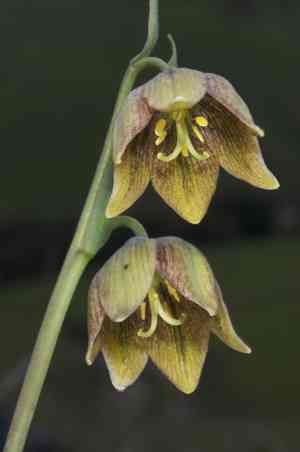
Stink bells displays distinctive traits, including its campanulate blossoms and potent fragrance. Trim stink bells from late winter to early spring, coinciding with its developmental phase to foster more vigorous growth and enhanced blooming. Snip off any lifeless or injured stems and discard any desiccated foliage. Refrain from extensive cutting, as it is generally not required. Trimming aids in boosting air movement and lowering the likelihood of ailments, resulting in hardier and more appealing specimens. Refer to reputable gardening references for precise instructions.
What Are the Benefits of Pruning Stink Bells?
What Are the Benefits of Pruning Stink Bells?
Trimming stink bells promotes robust development, maintains its form, and boosts overall well-being. By eliminating dead or unhealthy sections, stink bells can better resist pests and diseases, enhancing blooms and aesthetic appeal, while also managing size and preventing overcrowding.
What Is the Best Time for Pruning Stink Bells?
What Is the Best Time for Pruning Stink Bells?
Pruning or trimming stink bells during early spring or late winter is optimal as it coincides with the plant's dormant phase. Pruning in these seasons helps avoid disrupting the growth cycle when the plant is most susceptible. Additionally, it prepares stink bells for the upcoming growing season, ensuring strong health and abundant flowering. Trimming at these times also minimizes the risk of disease and pest infestation, which are more common during active growth periods.
What Tools Do I Need to Prune Stink Bells?
Hand Pruners
Hand pruners are perfect for snipping off dead or damaged stems and flowers, offering precision for smaller plants like stink bells.
Pruning Scissors
Pruning scissors provide enhanced precision and control, useful for detailed work on stink bells's delicate stems.
Bypass Pruners
Bypass pruners are effective for making clean cuts on the living tissue of stink bells, minimizing harm and encouraging healthy growth.
Garden Gloves
Garden gloves shield your hands from potential irritants and ensure a safe pruning experience when handling stink bells.
Disinfectant
Disinfectant is crucial for cleaning your tools before and after use on stink bells, preventing the spread of disease.
How to Prune Stink Bells
Inspect
Carefully examine stink bells for any diseased or withered leaves. Look closely at the foliage for signs of discoloration, spots, or dryness.
Sanitize Tools
Ensure pruning tools like scissors or shears are sterilized to prevent the spread of disease. Use alcohol or a bleach solution to clean the blades.
Remove Diseased Leaves
Gently trim off any diseased leaves by making cuts just below the infected area. Dispose of these leaves properly to prevent contamination.
Remove Withered Leaves
Carefully cut away any withered or dried-out leaves. Make sure to trim these close to the base without damaging healthy parts of the plant.
Dispose Properly
Collect all trimmed leaves and dispose of them away from the garden to reduce the risk of pest and disease spread. Avoid composting diseased material.
Common Pruning Mistakes with Stink Bells
Over-pruning
Removing too much of stink bells's foliage can prevent the plant from storing enough energy for the next growing season. This can lead to weakened plants and reduced flowering.
Incorrect tools
Using dull or inappropriate tools can cause jagged cuts, increasing the risk of disease and pest infestation.
Pruning at the wrong time
Pruning stink bells too early or too late in its growth cycle can interfere with its natural development, potentially harming flowering and overall health.
Lack of sanitization
Failure to clean pruning tools between cuts can spread disease from one part of the plant to another or between different plants.
Common Pruning Tips for Stink Bells
Use sharp, clean tools
Always use sharp, sterilized pruning shears to make clean cuts. This minimizes damage and reduces the risk of disease transmission.
Limit pruning to dead or damaged tissue
Focus on removing spent flowers, dead leaves, or damaged stems to encourage healthy growth without over-stressing the plant.
Small, controlled cuts
Make precise cuts just above a healthy bud or node to promote regrowth. Avoid making large cuts that can stress the plant unnecessarily.
Monitor plant health
Regularly inspect stink bells for signs of disease or pest infestation. Prompt removal of affected areas can prevent the spread and support overall vitality.



