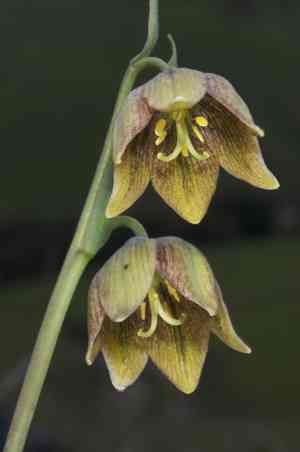
Stink bells (Fritillaria agrestis)
Also known as: Stinkbells
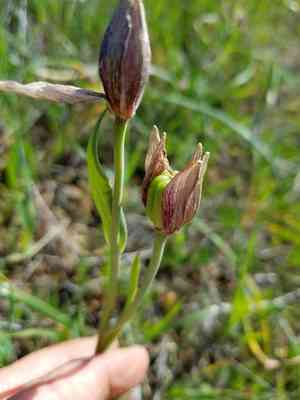
Stink bells (Fritillaria agrestis) is a perennial herb known for its distinctive nodding, bell-shaped flowers, which typically exhibit a cream or greenish-yellow hue complemented by purple or brown markings. These flowers bloom in spring and are supported by slender stems that can reach up to 60 centimeters in height, emerging from a bulb. Primarily found in grassland habitats, stink bells blend well with their surroundings, likely as a strategy to avoid herbivores.
In This Article
Attributes of Stink bells
Lifespan
Perennial
Plant Type
Herb
Plant Height
10-40 cm
Spread
N/A
Leaf Color
Green
Flower Size
2-3 cm
Flower Color
Greenish with dark mottling
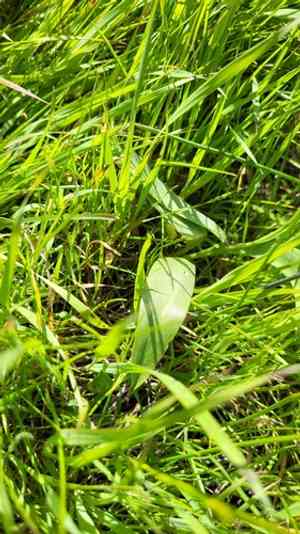
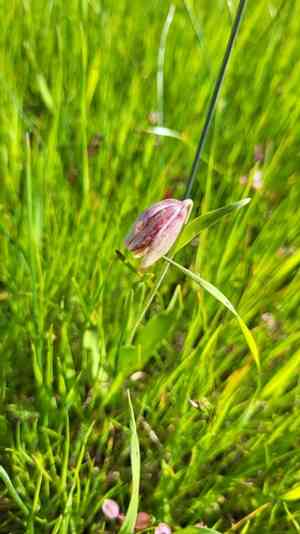
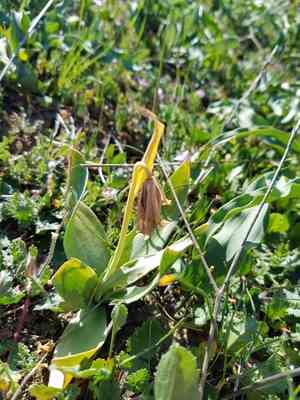
Images of Stink bells
Quickly Identify Stink bells
1
Identification skills for Fritillaria agrestis include looking for its bell-shaped flowers, which are typically greenish with darker mottling, as well as its strong, unpleasant odor.
Scientific Classification of Stink bells
Phylum
Vascular plants
Class
Monocotyledons
Order
Liliales
Family
Lily
Genus
Fritillaries
Species
Stink bells
Planting and Growing of Stink bells
Care Difficulty
Moderate
Watering Schedule
Every 2 days
Sunlight Requirements
Full sun
Sunshine Duration
6-12 hours
Ideal Temperature
60-75℉
Soil Type
Potting Mix
Soil pH
6.5-7.5
Fertilizer Type
Balanced
Pruning Season
Spring, Summer
Pruning Area
Branches, Leaves
Pruning Frequency
2 times a year
Repotting Season
Spring
Pot Type
Plastic, Ceramic
 How to Water Stink bells?
For Fritillaria agrestis, a key principle to follow is ensuring the soil is slightly moist but not waterlogged. Water with about 150ml, making sure the water drains well without pooling. This helps prevent root rot while ensuring sufficient hydration.
What are the symptoms of an underwatered Stink bells?
›
What should I do if my Stink bells is not getting enough water?
›
What are the symptoms of an overwatered Stink bells?
›
How to save an overwatered Stink bells?
›
 What Are the Sunlight Requirements for Stink bells?
Fritillaria agrestis thrives under full sun to partial sun conditions. Consistent exposure supports healthy photosynthetic activity, promoting vibrant blooms and robust foliage.
How much sunlight does Fritillaria agrestis need daily?
›
What are the solutions to achieve ideal lighting conditions for Fritillaria agrestis?
›
What are the benefits of Fritillaria agrestis receiving ideal sunlight?
›
 What Is the Ideal Temperature Range for Stink bells?
The ideal temperature range for Fritillaria agrestis is between 60 and 75°F. This range promotes healthy growth and development. Within this temperature window, the plant can efficiently photosynthesize, supporting its nutritional needs and cellular functions.
 What Soil is Best for Stink bells?
Fritillaria agrestis thrives in well-drained soil, which prevents waterlogging and root rot. Proper drainage ensures the roots can obtain oxygen and prevents diseases, promoting a healthy plant. Using nutrient-rich loam provides the essential minerals and nutrients Fritillaria agrestis needs for vigorous growth. This type of soil supports the plant's life cycle, especially during the flowering stage. Fritillaria agrestis prefers a soil pH of 6.5 to 7.5, which facilitates optimal nutrient uptake. Maintaining this pH prevents nutrient lock-out and supports vibrant plant health.
 How to Fertilize Stink bells?
Fritillaria agrestis requires a balanced approach to fertilization. When using liquid fertilizer, a concentration of 1/2 teaspoon per gallon of water is optimal, ensuring that nutrients are provided without overwhelming the plant. For slow-release fertilizers, approximately 1 tablespoon distributed evenly around the base will suffice for its gradual feeding needs.
 How to Prune Stink bells?
Begin by sterilizing your pruning shears to prevent the spread of disease. Identify the stems that have bloomed and gently trim them back, as these won't bloom again. Be careful to trim just above a leaf or bud node to encourage new growth. Remove any dead or damaged stems by cutting them back to healthy tissue. After pruning, remove any plant debris to discourage pests.
More About Pruning Techniques→
 How to Propagate Stink bells plant?
1
Collect seeds from mature plants and clean them to remove any debris. It's important to store them in a cool, dry place until you're ready to plant. Stratification, or chilling the seeds, may be necessary for some varieties to break dormancy.
2
Fill seed trays with sterile potting mix, then place seeds on the surface, lightly covering them with additional soil. Water gently to ensure even moisture without disturbing the seeds. Maintain humidity by covering the tray with a plastic lid or wrap.
3
Place the seed tray in a location with indirect sunlight, maintaining temperatures between 60-70°F (15-21°C). Ensure the soil remains moist but not waterlogged to prevent mold and encourage healthy germination.
 How to Repot Stink bells plant?
1
Fritillaria agrestis needs repotting if you notice root-bound conditions, such as roots emerging from drainage holes. Additionally, if the soil has become compacted or depleted of nutrients, it's time to refresh its growing environment for optimum health.
2
Choose a pot that is slightly larger than the current one with ample drainage holes. Terracotta pots are highly recommended because they allow for air exchange, preventing root rot and promoting healthy root growth and aeration.
3
Opt for a sandy, well-draining soil mix. This mimics the plant's natural habitat and ensures proper water flow and aeration. A good soil mix prevents waterlogged conditions, reducing the risk of root diseases and promoting vigorous growth.
Toxicity
Ingestion
WARNING
The judgment on toxicity and danger is for reference only. We DO NOT GUARANTEE any accuracy of such judgment. Therefore, you SHALL NOT rely on such judgment. It is IMPORTANT TO SEEK PROFESSIONAL ADVICE in advance when necessary.



