How to Prune Cascara serpentine buckthorn?
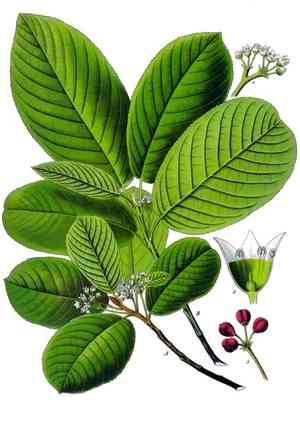
Rhamnus purshiana, valued for its therapeutic bark and appealing leaves, flourishes with appropriate trimming. The best periods for pruning are late winter or early spring, prior to the emergence of new shoots. Performing this task during its inactive phase reduces strain and boosts development in the subsequent growing cycle. Concentrate on eliminating lifeless, ailing, or excessively dense branches to improve air movement and light exposure, which are vital for the plant's well-being. Consistent trimming also aids in preserving its preferred form and encourages robust development.
What Are the Benefits of Pruning Cascara Serpentine Buckthorn?
What Are the Benefits of Pruning Cascara Serpentine Buckthorn?
Trimming cascara serpentine buckthorn promotes robust new development and maintains its desired form. Regular cutting back helps revitalize the shrub, fostering a healthy structure and preventing excessive growth and disorder.
What Is the Best Time for Pruning Cascara Serpentine Buckthorn?
What Is the Best Time for Pruning Cascara Serpentine Buckthorn?
Pruning cascara serpentine buckthorn in late winter or early spring aligns with its dormant phase, minimizing plant stress and sap loss. This timing prevents cutting new shoots, which are more susceptible to weather damage and illnesses. Additionally, pruning before the spring growth surge allows cascara serpentine buckthorn to recover faster and direct energy towards producing strong, new growth in the upcoming season.
What Tools Do I Need to Prune Cascara Serpentine Buckthorn?
Hand Pruners (Bypass Type)
Perfect for making clean cuts on the smaller, living branches of cascara serpentine buckthorn. The bypass design ensures a precise, sharp cut that encourages healthy regrowth.
Loppers
Suitable for reaching into denser areas of cascara serpentine buckthorn to trim thicker branches, typically up to 1.5 inches in diameter. The long handles provide leverage for easier cutting.
Pruning Saw
Essential for cutting branches over 1.5 inches thick. A pruning saw helps manage larger branches of cascara serpentine buckthorn, ensuring clean cuts and minimizing plant damage.
Pole Pruner
Useful for reaching higher branches without needing a ladder. Crucial for maintaining the shape and health of cascara serpentine buckthorn when branches are out of normal reach.
How to Prune Cascara Serpentine Buckthorn
Identify
Locate and inspect cascara serpentine buckthorn for any dead or diseased branches. These are typically identified by a lack of leaves, brittle wood, or discoloration and fungal growth.
Clean
Before beginning the pruning process, clean and sanitize all pruning tools. This prevents the spread of disease between different parts of cascara serpentine buckthorn or to other plants.
Cut
Using sharp pruning shears or a saw, make clean cuts to remove dead or diseased branches. Cut these branches back to the base or to a healthy lateral branch, ensuring not to tear the bark of cascara serpentine buckthorn.
Dispose
Discard the removed branches by burning them or placing them in a sealed bag. Do not compost as this could allow diseases to spread.
Inspect
After pruning, examine cascara serpentine buckthorn for any remaining signs of disease or additional dead branches that may have been overlooked in the initial assessment. Repeat the pruning process if necessary.
Common Pruning Mistakes with Cascara Serpentine Buckthorn
Over pruning
Excessive pruning can be harmful to cascara serpentine buckthorn. Removing too much foliage at once can stress the plant, potentially leading to reduced growth and increased susceptibility to diseases.
Timing
Ignoring the regrowth cycles of cascara serpentine buckthorn when pruning can negatively impact the plantâs natural growth and its annual flowering cycle.
Improper tools
Using dull or dirty tools can damage the branches of cascara serpentine buckthorn, resulting in jagged cuts that heal poorly and may attract pests or diseases.
Common Pruning Tips for Cascara Serpentine Buckthorn
Selective pruning
Prune selectively rather than shearing. Remove only the dead, diseased, or overgrown branches to maintain cascara serpentine buckthorn's natural form. This encourages healthier, more vigorous growth.
Tool maintenance
Always use sharp and clean pruning tools. This ensures clean cuts that heal quickly, preventing disease entry.
Incremental pruning
Practice incremental pruning, especially if reshaping cascara serpentine buckthorn is desired. Gradually prune over a few seasons to avoid shocking or stunting the plant.



